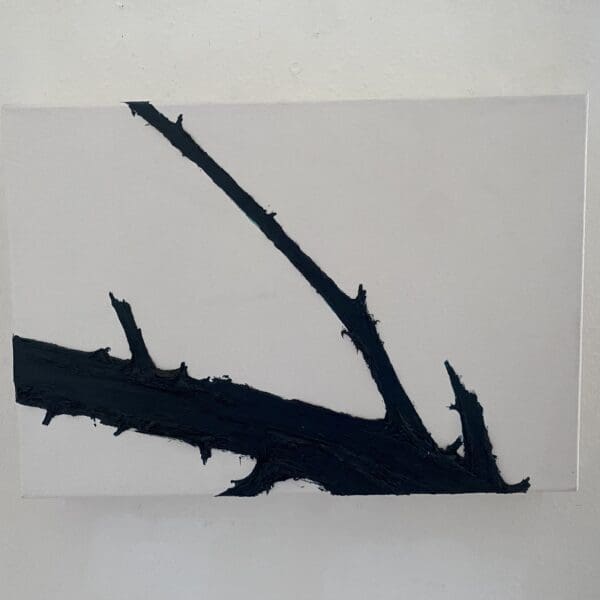
HELGE HOMMES – WALDESRUH
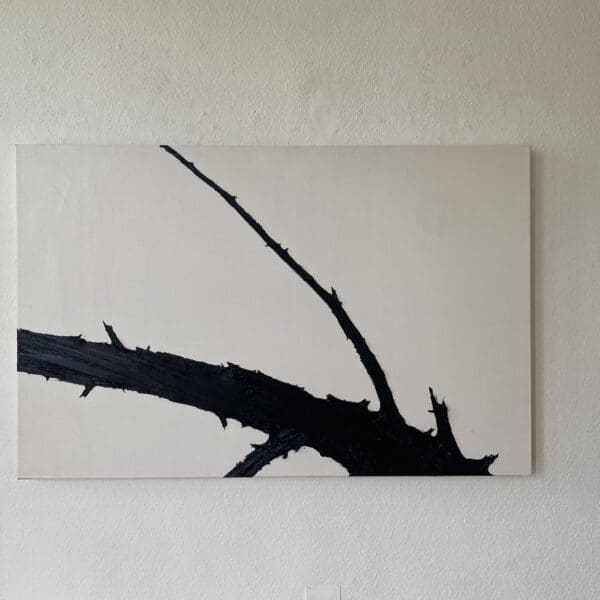
HELGE HOMMES – WALDESRUH
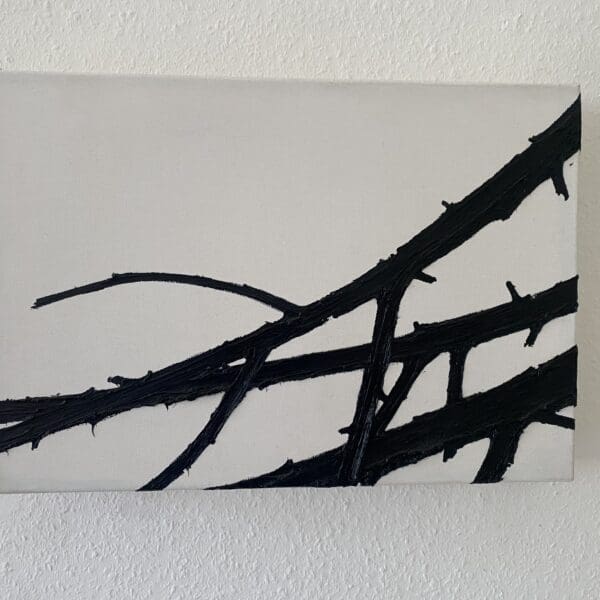
HELGE HOMMES – WALDESRUH
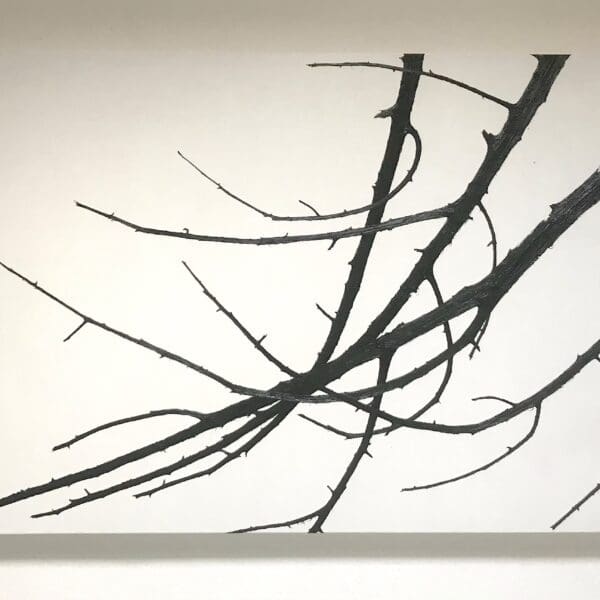
HELGE HOMMES – WALDESRUH
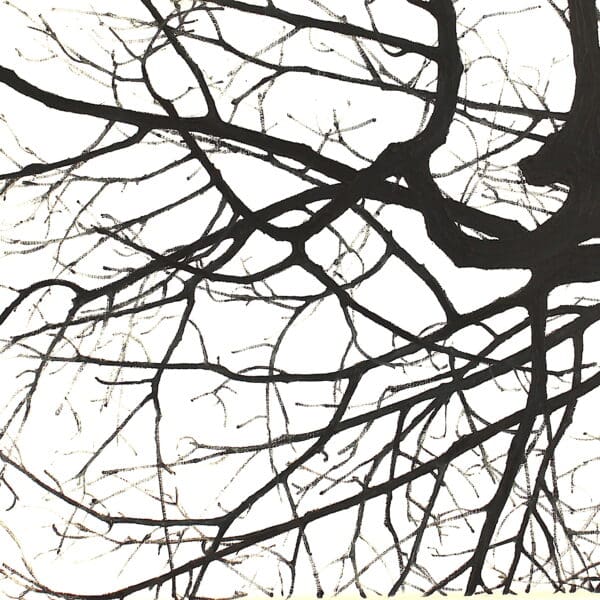
HELGE HOMMES – WALDESRUH

HELGE HOMMES – Waldesruh

HELGE HOMMES – Waldesruh (Werkgruppe Fichte/Tanne)

HELGE HOMMES & SAXANA – Alte Eiche im Kellerwald
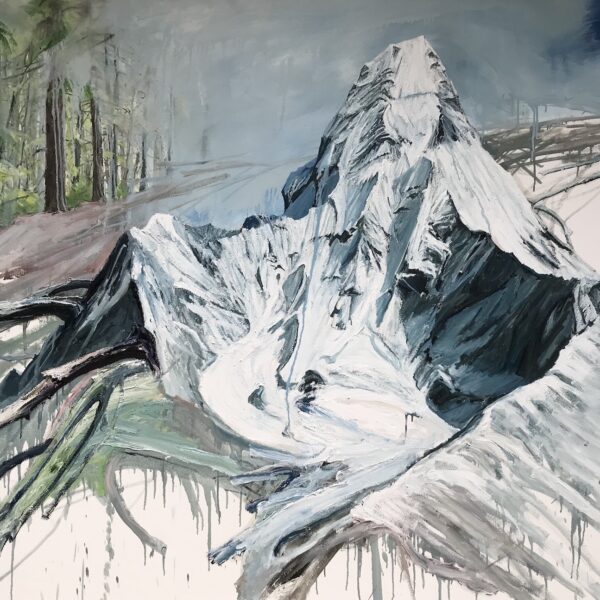
HELGE HOMMES & SAXANA – Ama Dablam

HELGE HOMMES & SAXANA – Der Königsstuhl, a.d. Werkgruppe: Baum-Berg-Weiten

HELGE HOMMES & SAXANA – Der Schrei von Ma(h)nheim

HELGE HOMMES & SAXANA – ES WAR EINMAL EIN BAUM
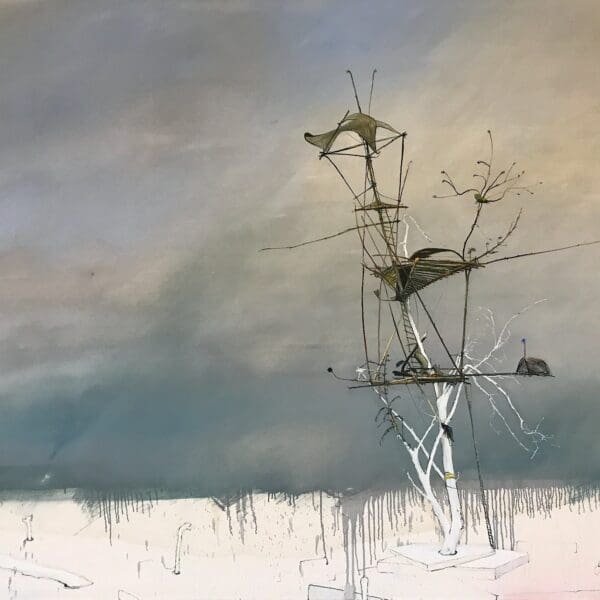
HELGE HOMMES & SAXANA – Hambitate
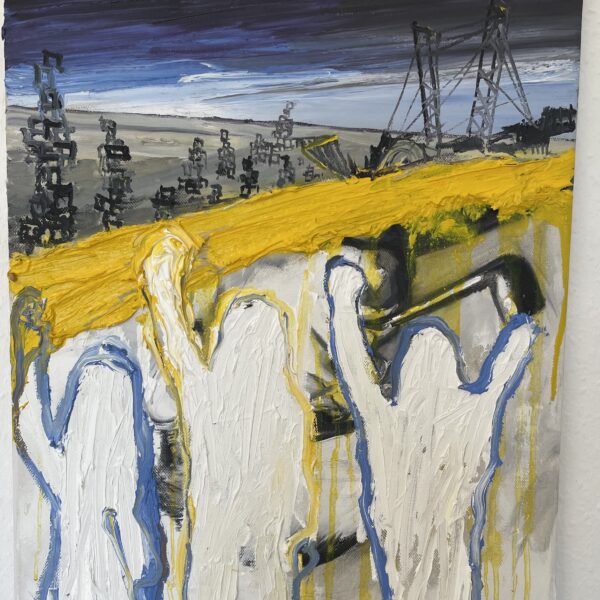
HELGE HOMMES & SAXANA – HERBERT WEHNER/ LÜTZERATH
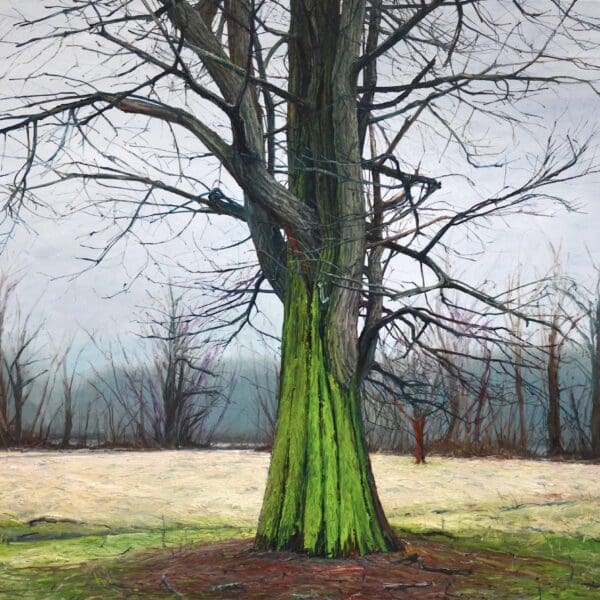
HELGE HOMMES & SAXANA – JEDEN WINTER TRÄGST DU EIN GRÜNES KLEID

HELGE HOMMES & SAXANA – MAIKÄFER FLIEG….(DAS ZUHAUSE BRENNT)
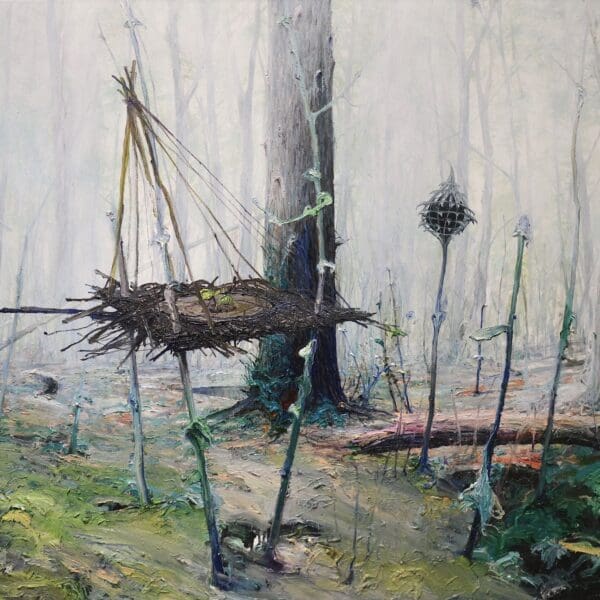
HELGE HOMMES & SAXANA – MITTEN IM WALD DA FINDE ICH DICH
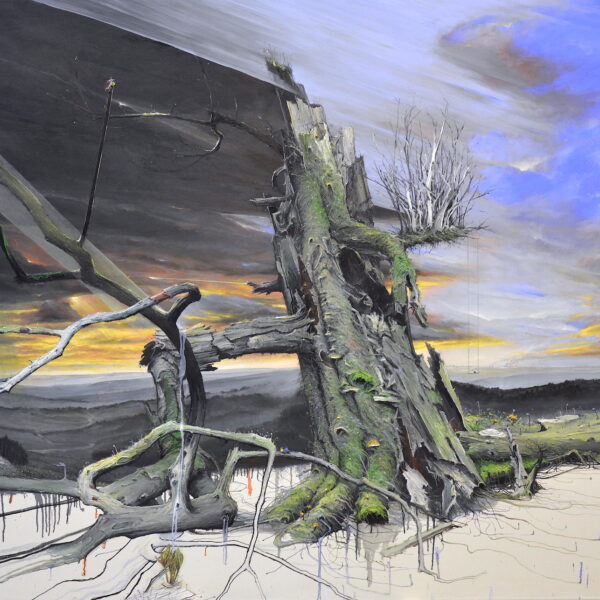
HELGE HOMMES & SAXANA – REINHARDSWALL/ WISSEN UND VERGESSEN

HELGE HOMMES & SAXANA – SIEBEN RIESEN

HELGE HOMMES & SAXANA – WISSEN UND VERGESSEN
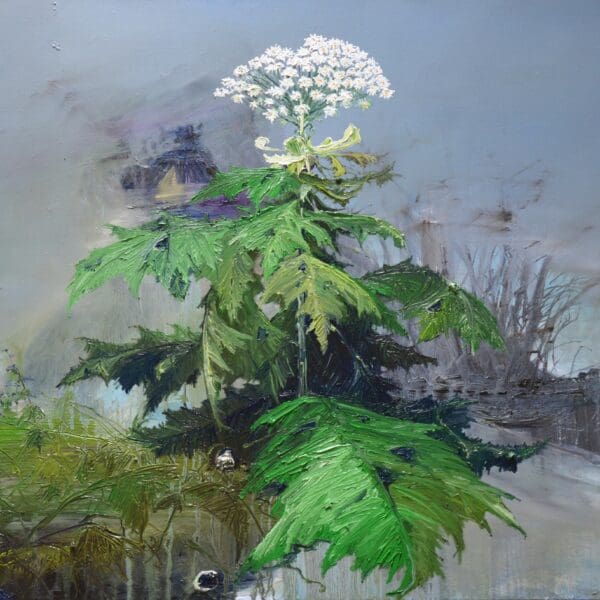
HELGE HOMMES & SAXANA – WISSEN UND VERGESSEN (VI)

HELGE HOMMES & SAXANA – Wissen und Vergessen (VI)

HELGE HOMMES & SAXANA – Wissen und Vergessen (VII)
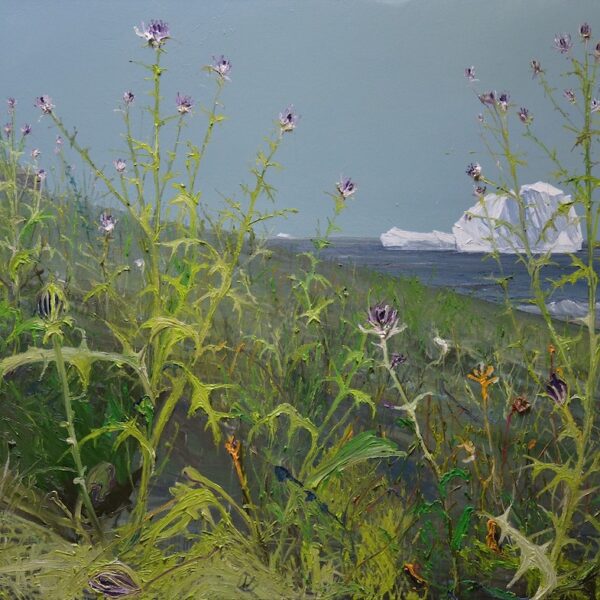
HELGE HOMMES & SAXANA – WISSEN UND VERGESSEN (VII)

HELGE HOMMES & SAXANA -WISSEN UND VERGESSEN

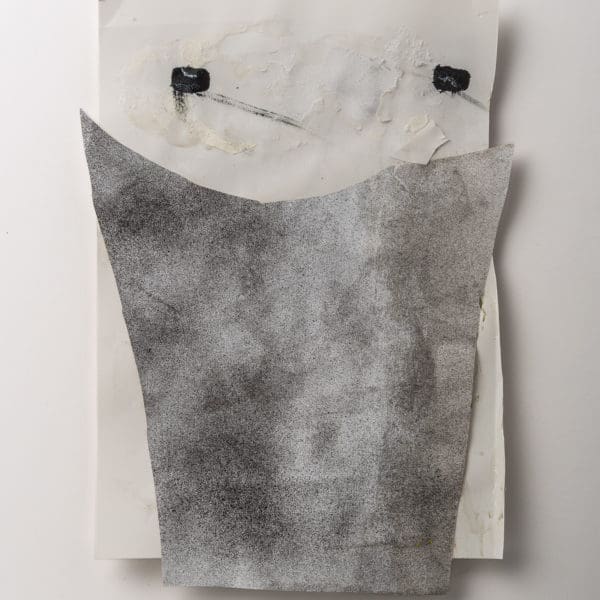
Howard Sherman | Document Shredder # 33 | 2022
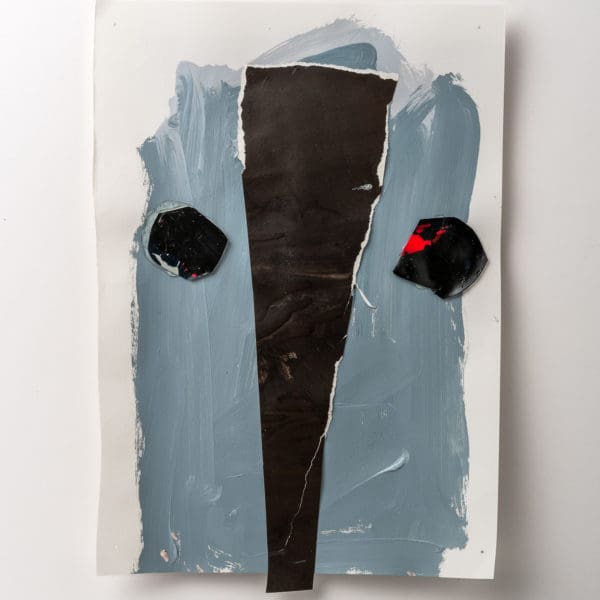
Howard Sherman | Document Shredder #23 | 2022
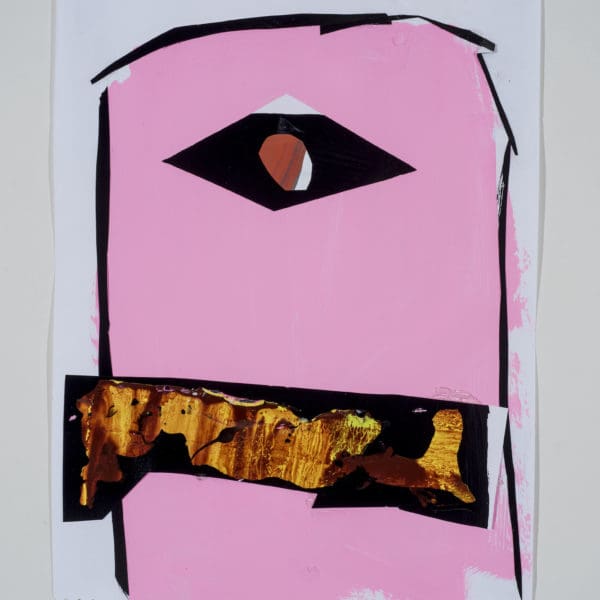
Howard Sherman | High Priest From The Pagan Days # 47 | 2017
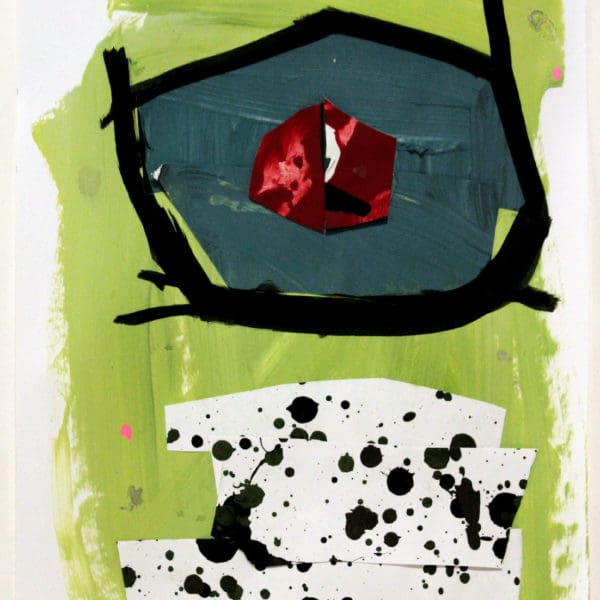
Howard Sherman | Impulse Police #16 | 2016
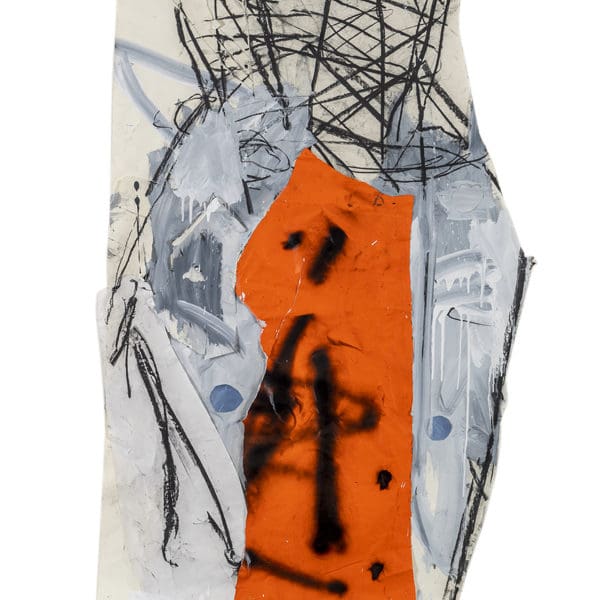
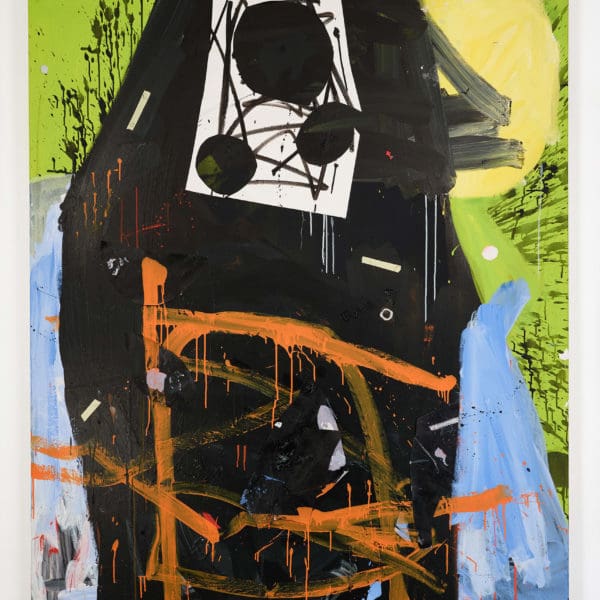
Howard Sherman | Self-portrait as Kong | 2019
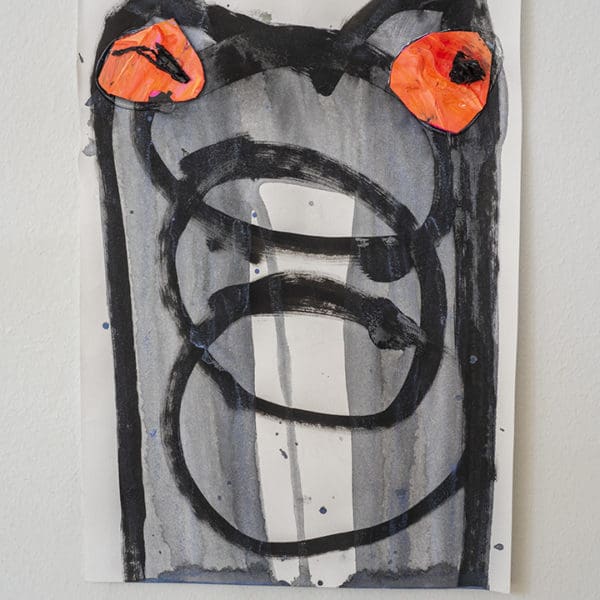
Howard Sherman | Unflinching Prisoner | 2019
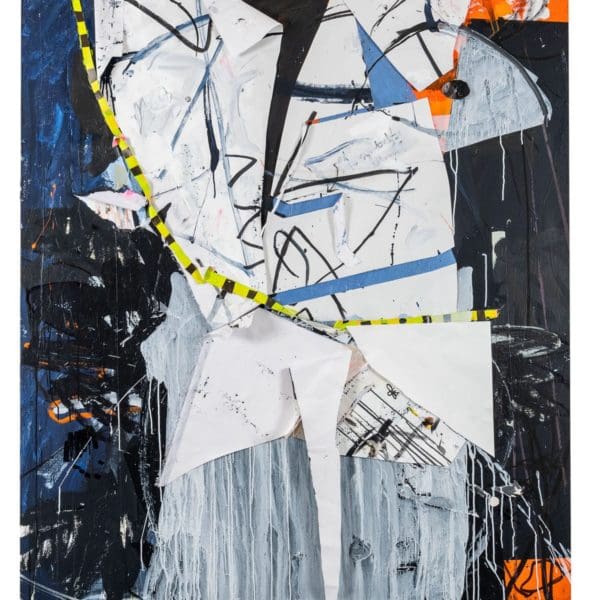
Howard Sherman | Words That Vibrate | 2021


Inna Artemova | Utopia-XI | 2018

Ireen Zielonka | Triptychon Der schühterne Hirschkäfer | 2017
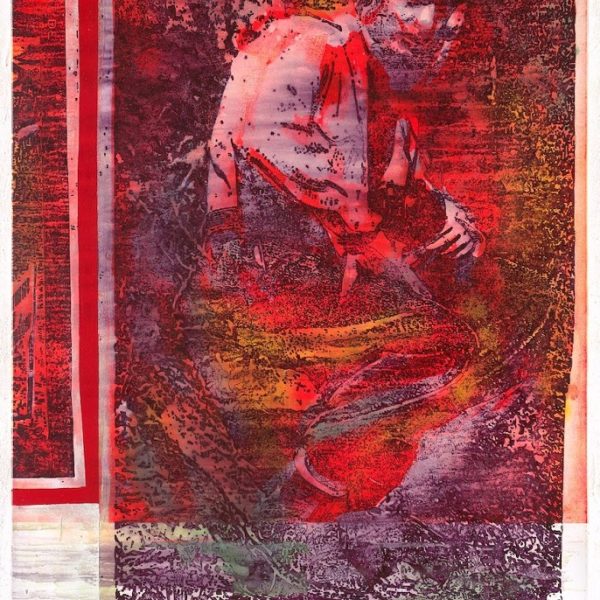
Jan Muche | Cape | 2019
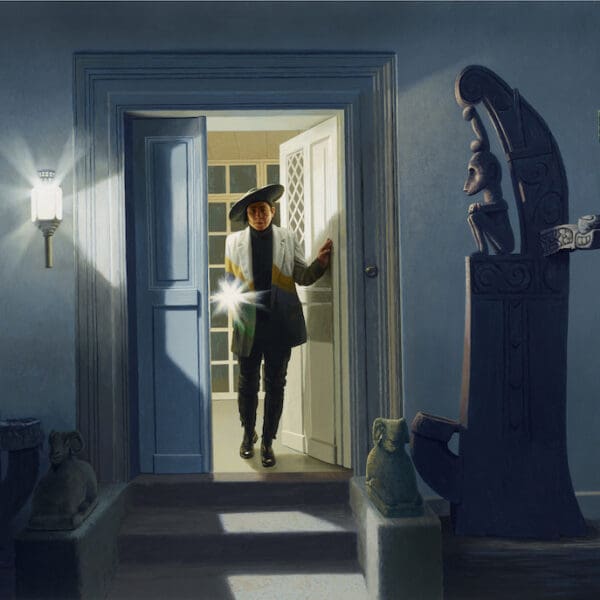
JAN PETER TRIPP – Also Doch?

JAN PETER TRIPP – Am Anfang war die Zahl
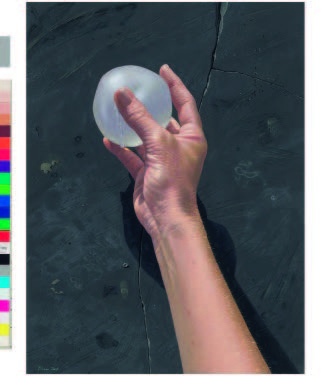
JAN PETER TRIPP – Baby Cool

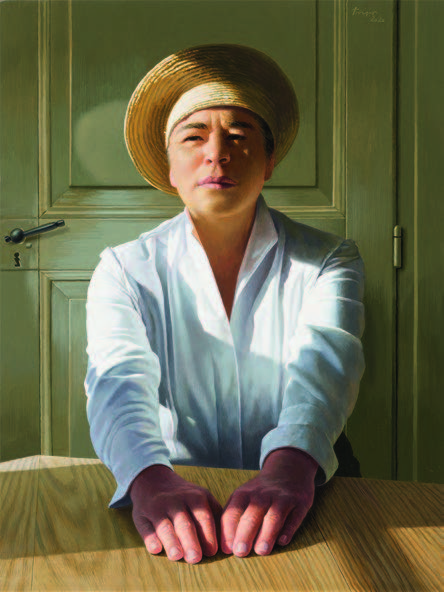
JAN PETER TRIPP – Black Spring I, II, II
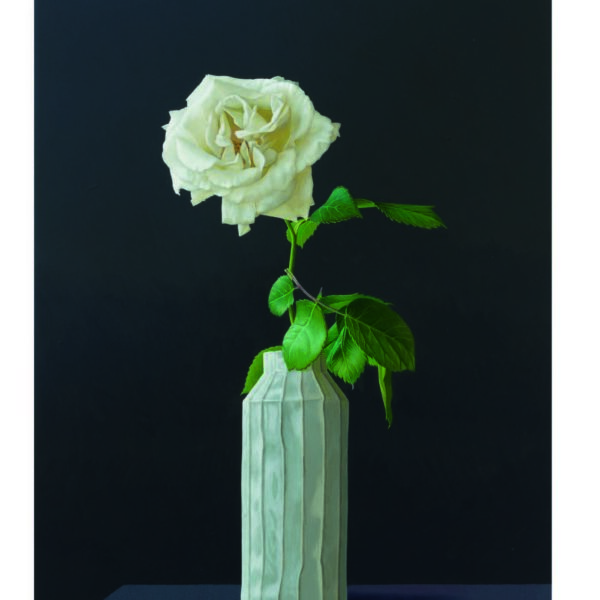
JAN PETER TRIPP – Blanc de Blanc

JAN PETER TRIPP – Boten der Nacht
JAN PETER TRIPP – Caput Mortuum
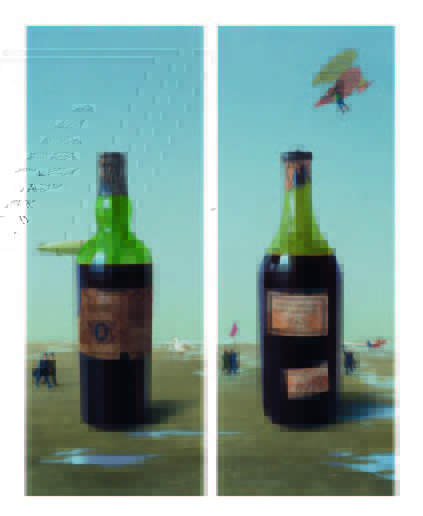
JAN PETER TRIPP – Die Illusion ist alles
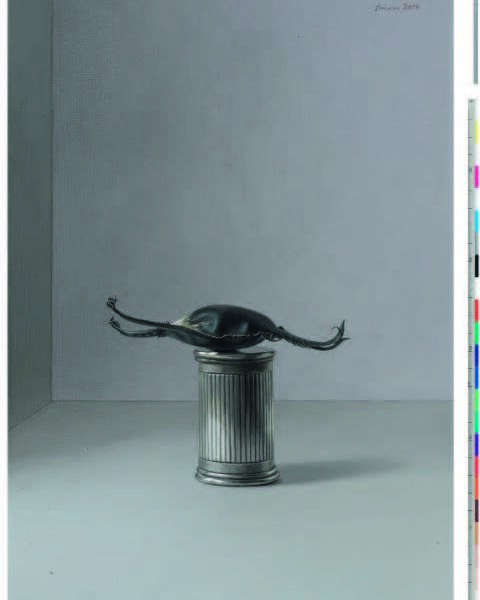
JAN PETER TRIPP – Die lautlose Macht

JAN PETER TRIPP – Flower Power
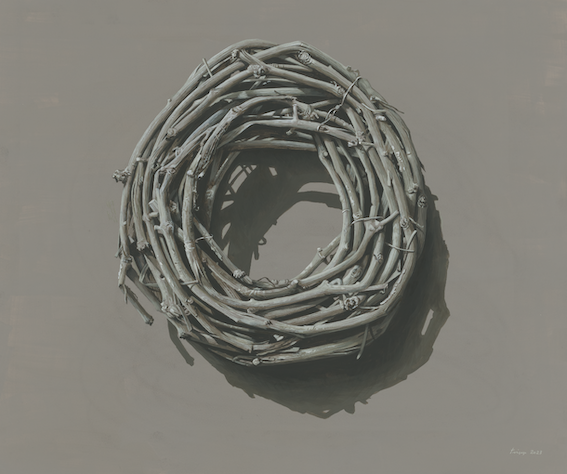
JAN PETER TRIPP – Golgotha

JAN PETER TRIPP – Grigri et Familie Landat
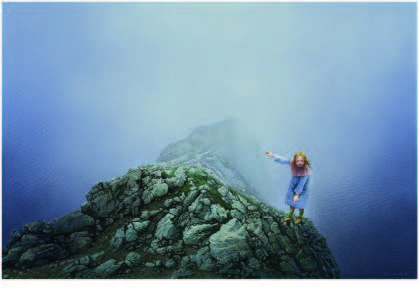
JAN PETER TRIPP – Im Geröll oder ich seh was, was du nicht siehst
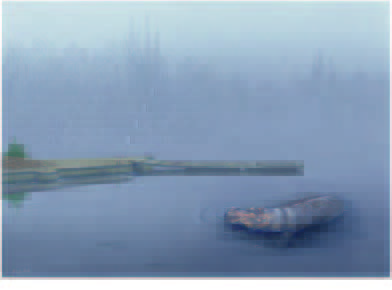
JAN PETER TRIPP – Im türkischen Bad
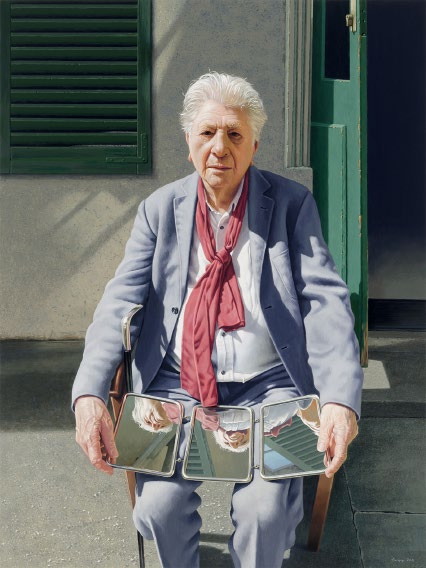
JAN PETER TRIPP – L´homme de Lettres (Paul Nizon)
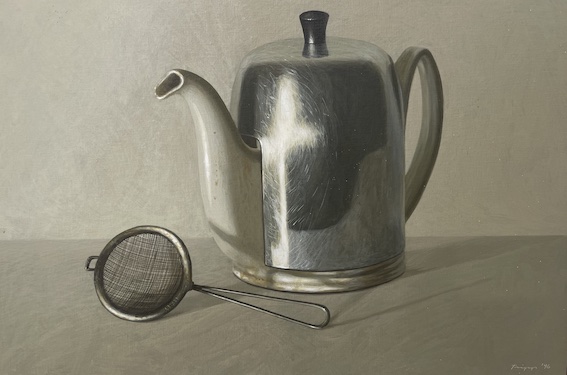
JAN PETER TRIPP – L´Hypocondrie
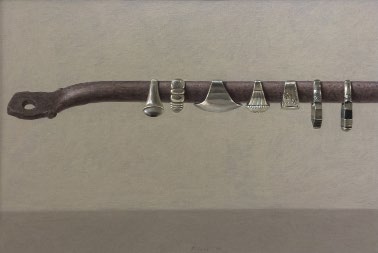
JAN PETER TRIPP – L´Indifference
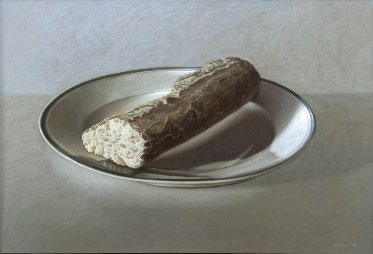
JAN PETER TRIPP – La Fierté

JAN PETER TRIPP – La Timidité

JAN PETER TRIPP – Le Champ du Feu
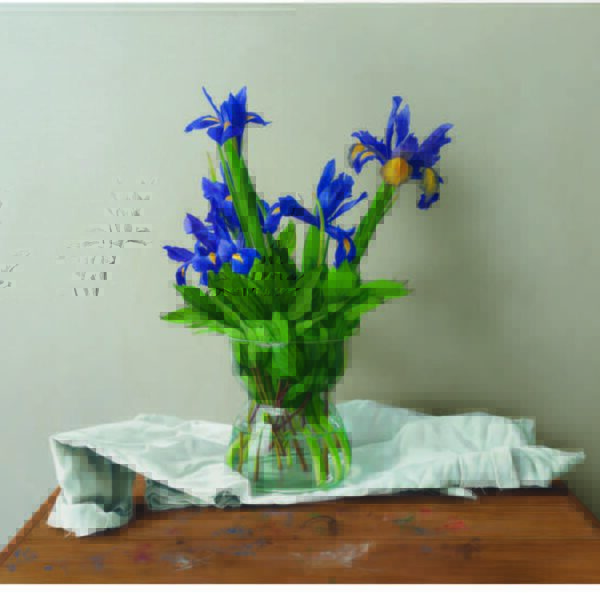
JAN PETER TRIPP – Les Fleurs du Mal
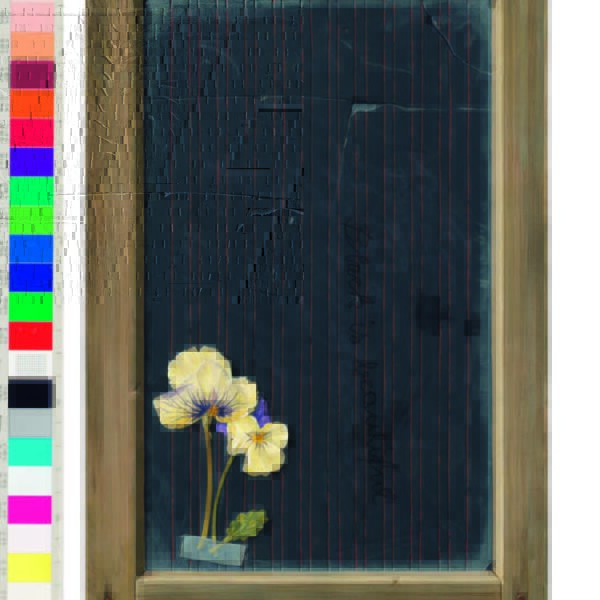
JAN PETER TRIPP – Les Pensées sont libres

JAN PETER TRIPP – Les vacances de Philippe S

JAN PETER TRIPP – Nadolsky in my mind
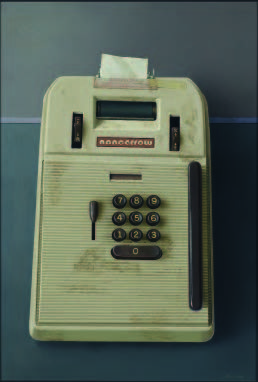
JAN PETER TRIPP – Player Piano

JAN PETER TRIPP – Pulcinellas großer Auftritt

JAN PETER TRIPP – Tulpe
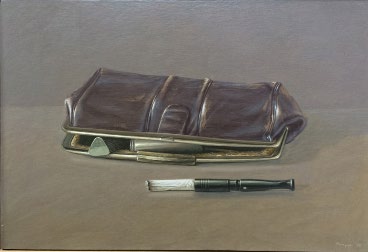
JAN PETER TRIPP – Tutoyage – le Cynisme

JAN PETER TRIPP – Zampanillo
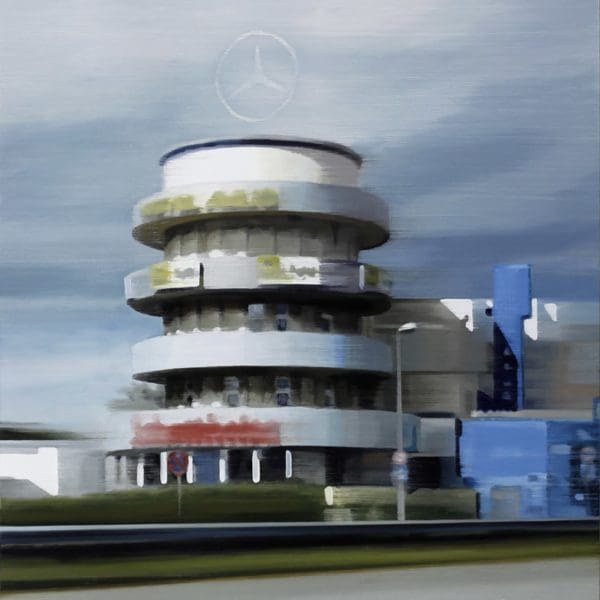
Jan Ros | AVUS | 2020
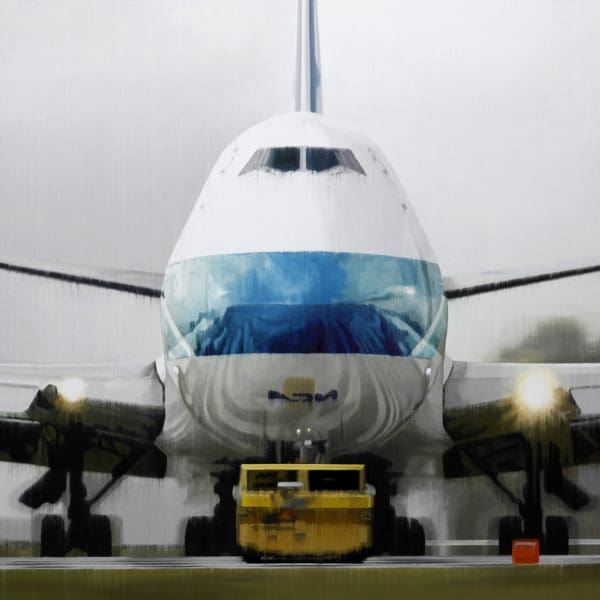
Jan Ros | Blue Plane | 2020

Jan Ros | Dented | 2019
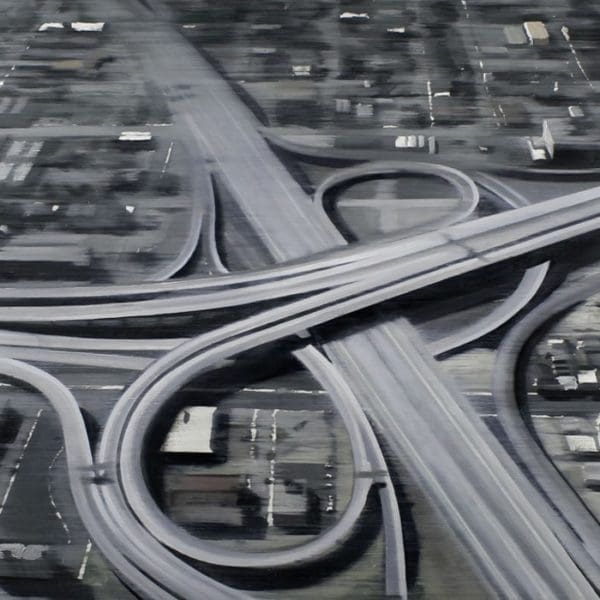
Jan Ros | Fly over II | 2012

Jan Ros | Hansa Staircase | 2022
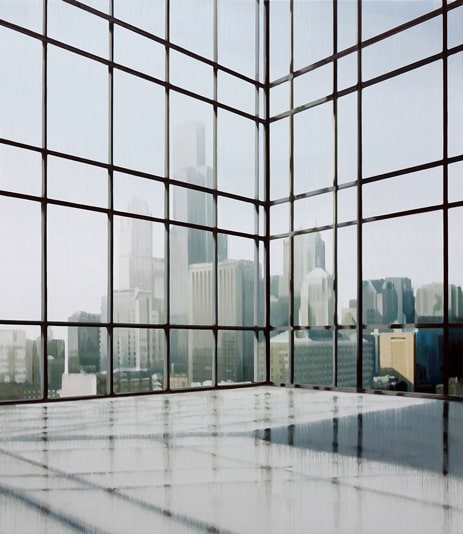
Jan Ros | Hot Summer | 2021

Jan Ros | Lamp Shade | 2018
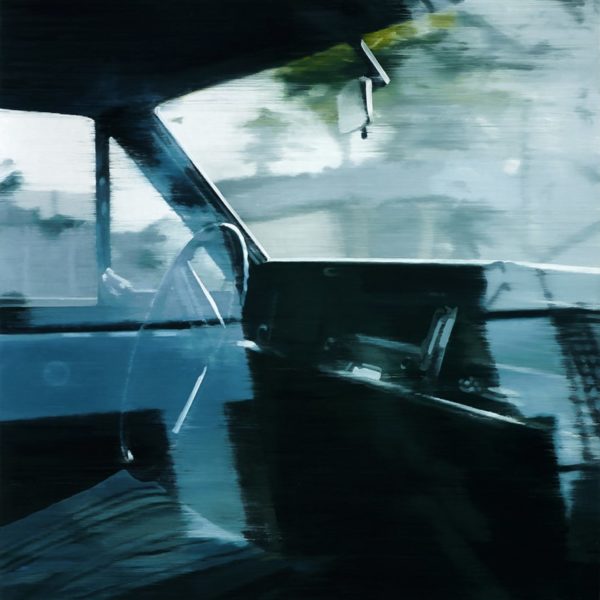
Jan Ros | Reflection | 2017
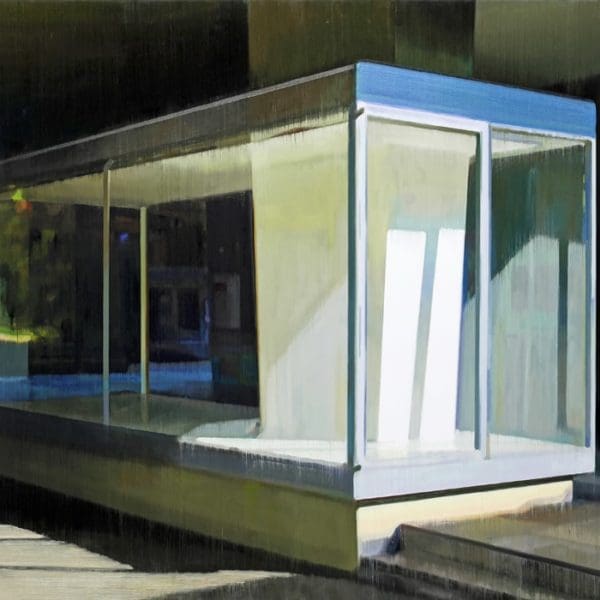
Jan Ros | Showcase | 2020
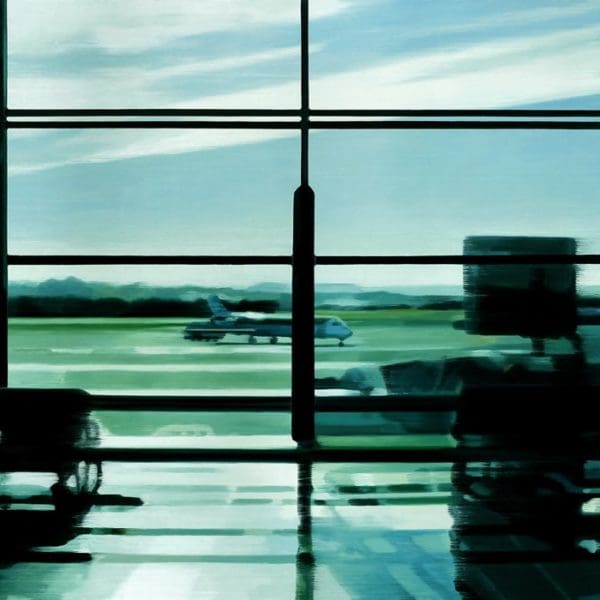
Jan Ros | Terminal | 2019

Jan Ros | Turmrestaurant | 2020

Jan Ros | Two Windows | 2022
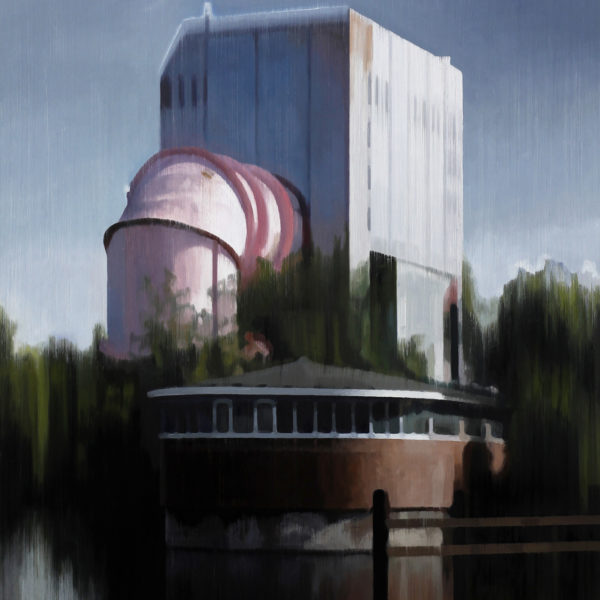
Jan Ros | UTL2 | 2020
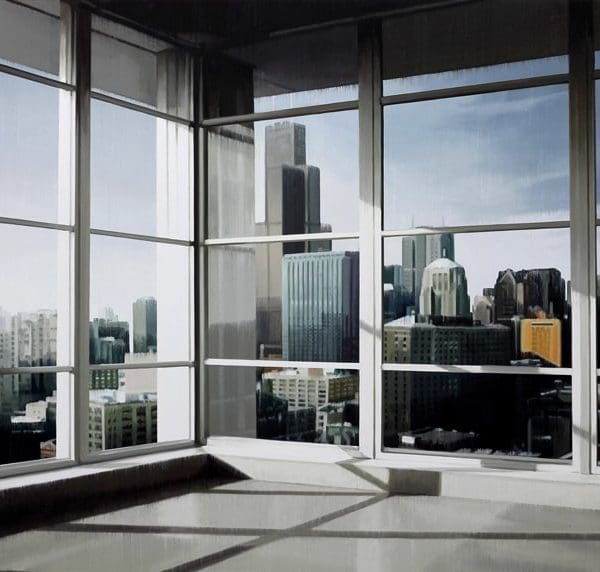
Jan Ros | View on the City | 2021


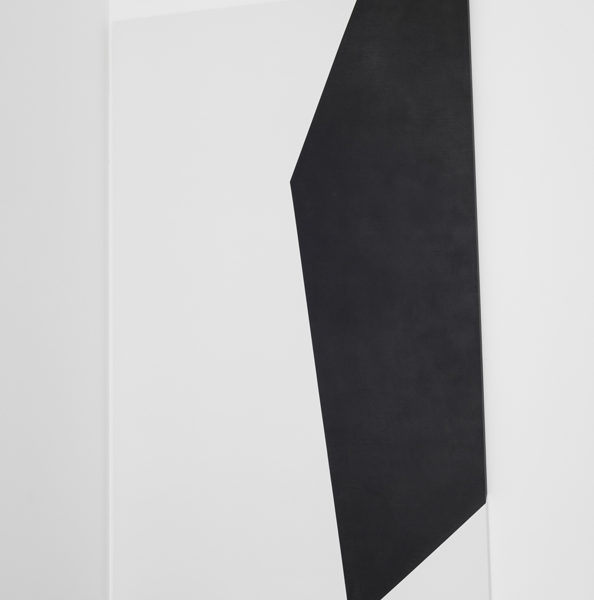
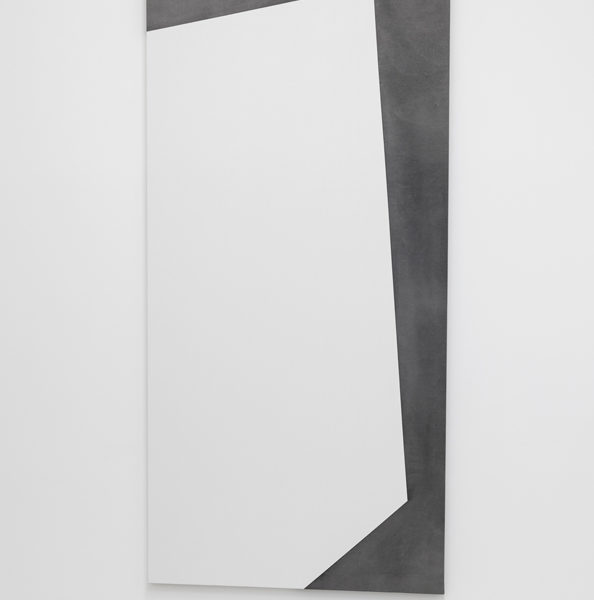

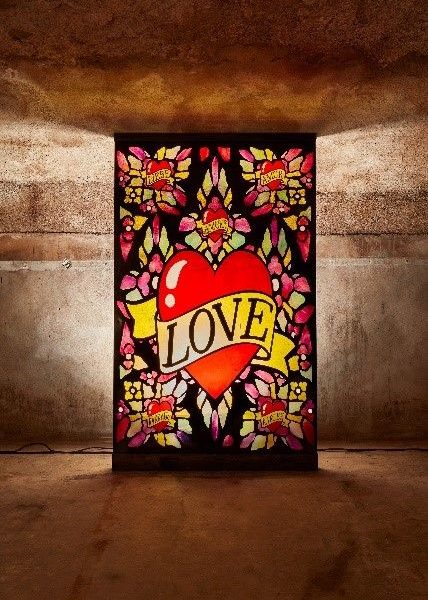
Jani Leinonen | We Find Love in Hopless Place | 2019
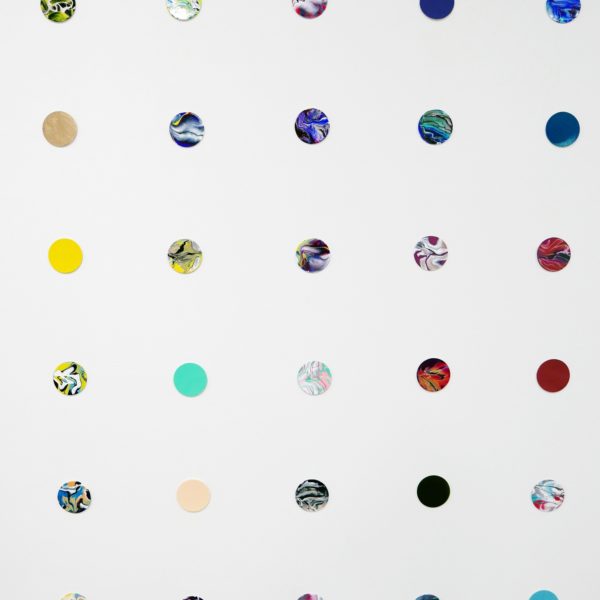
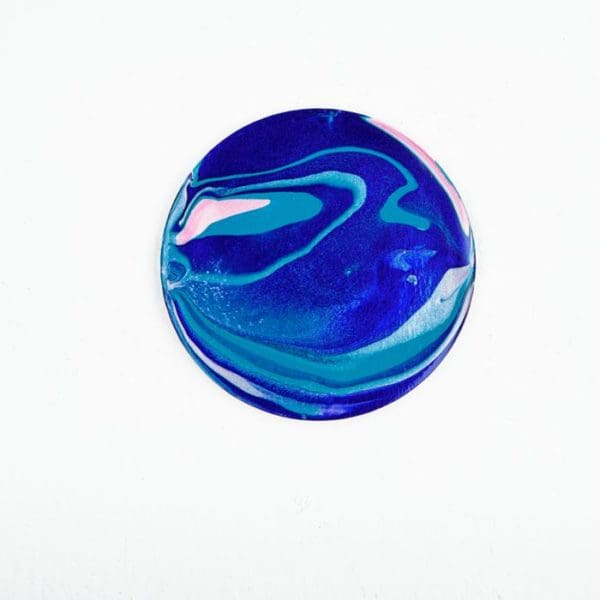
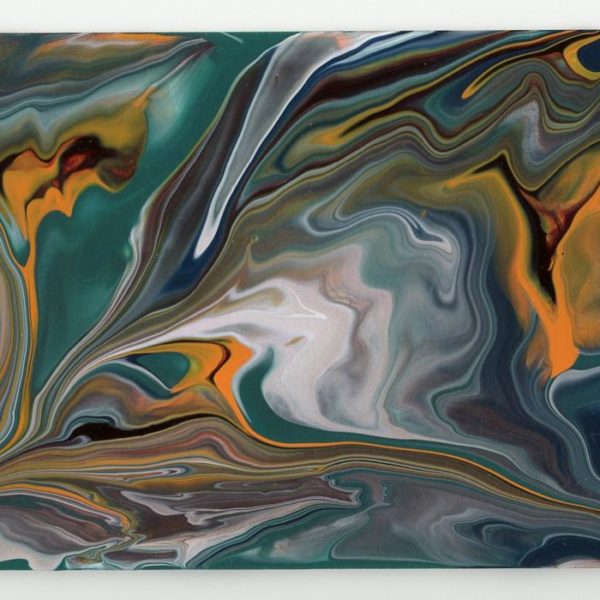
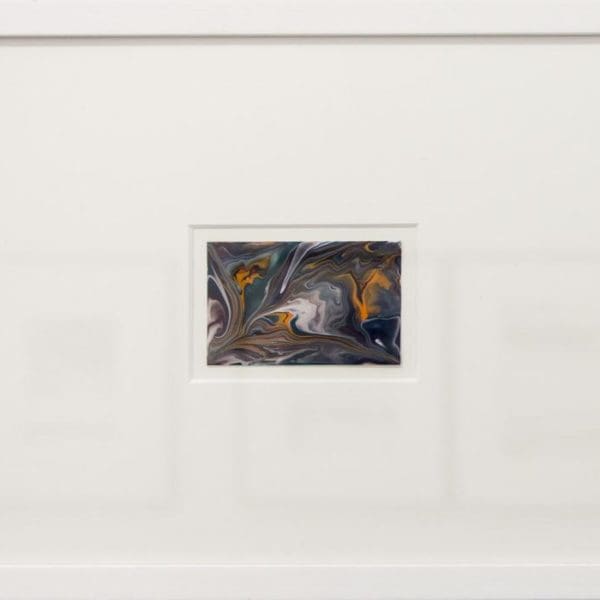
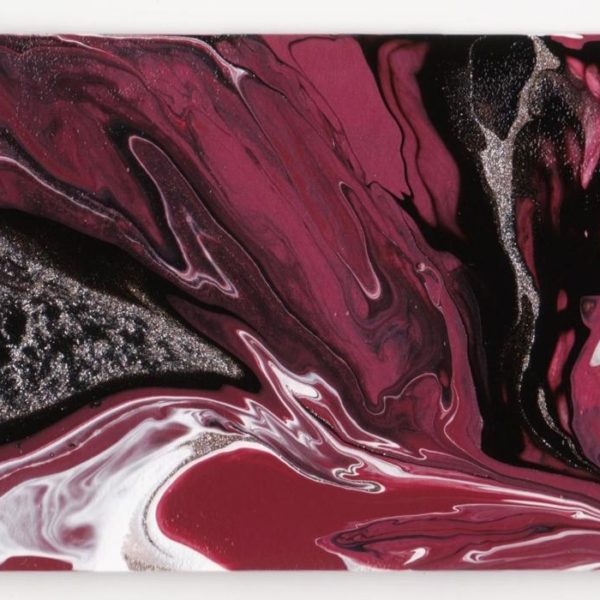

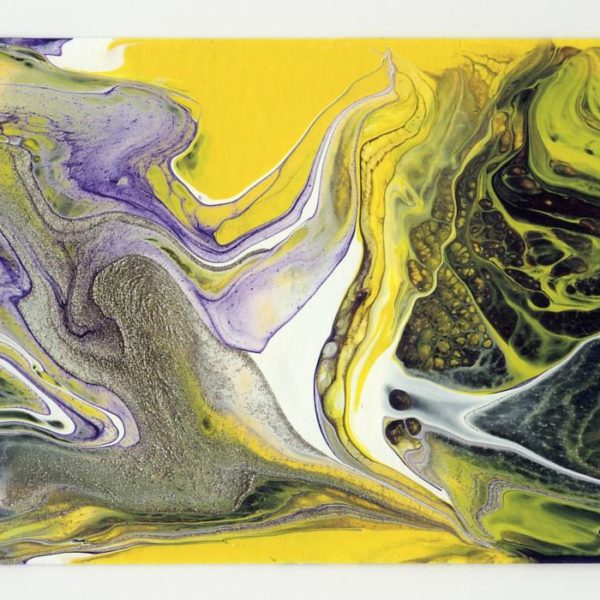
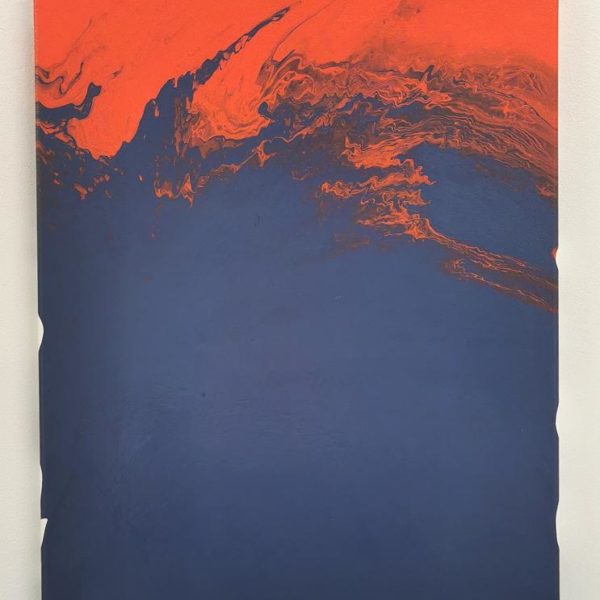


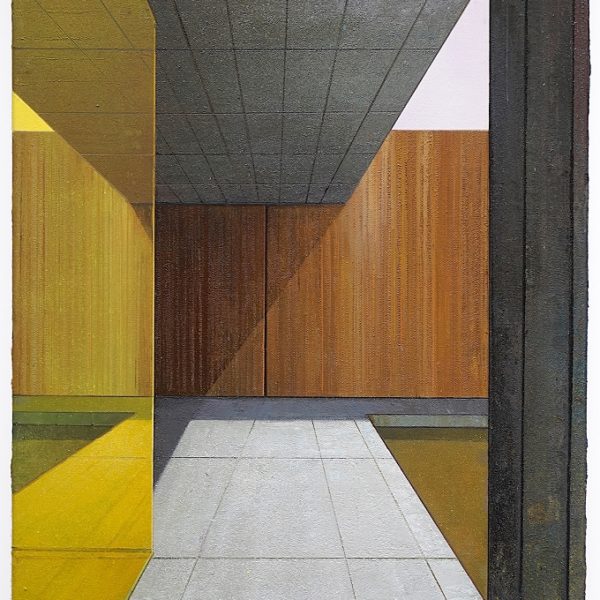


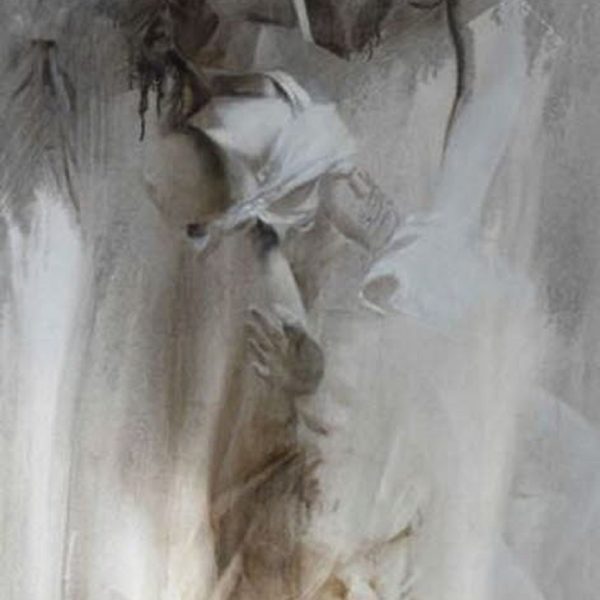


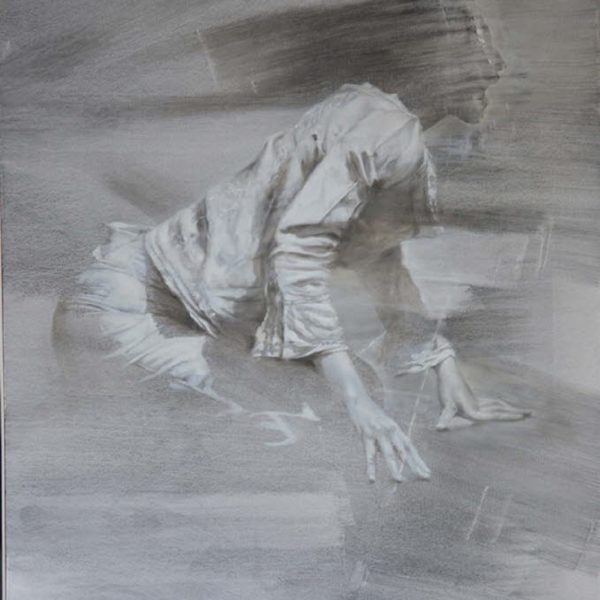
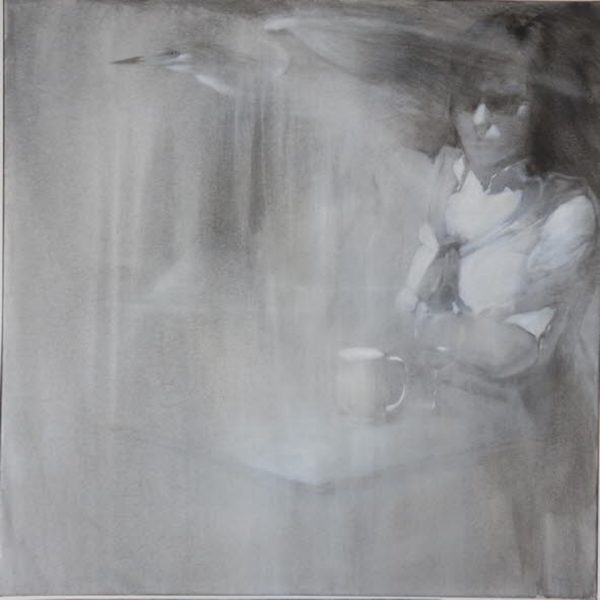
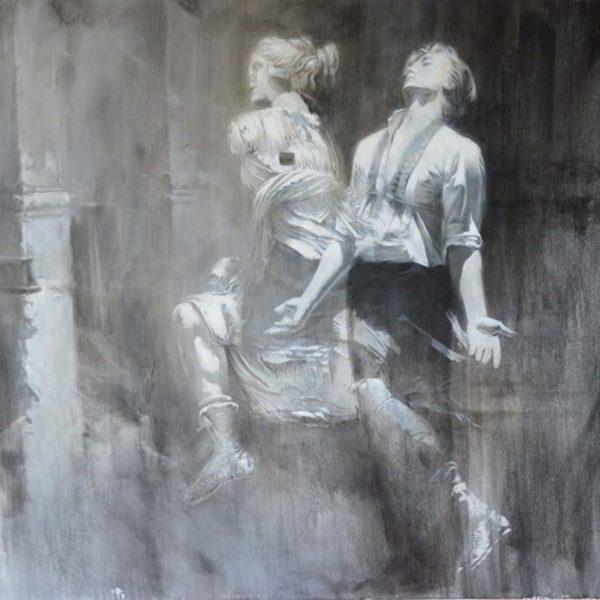
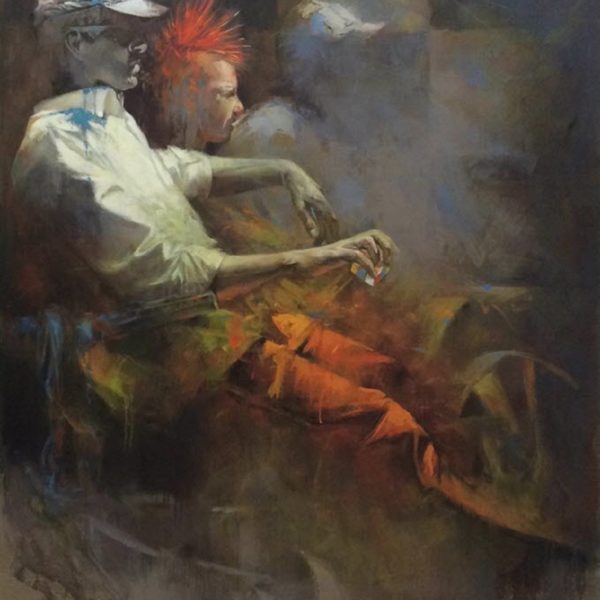
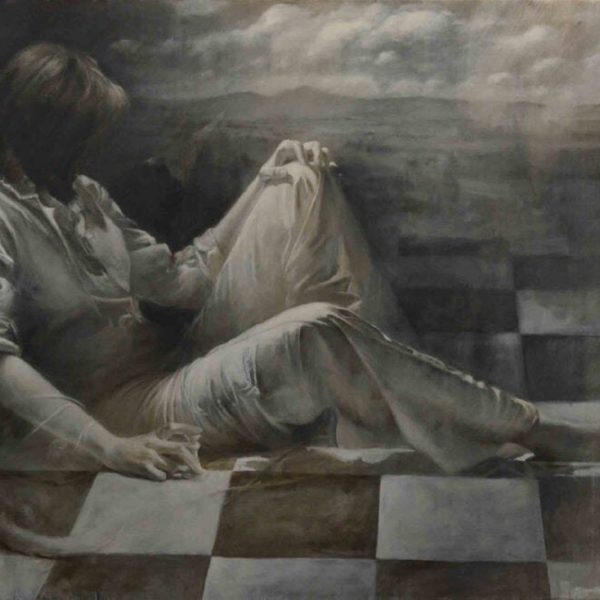


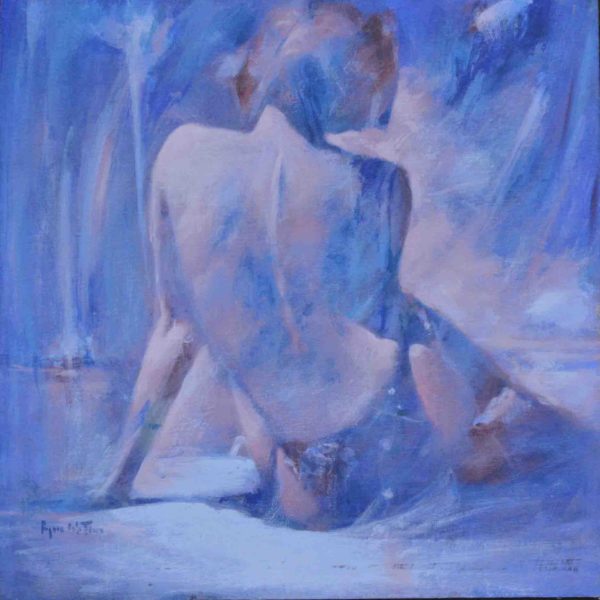
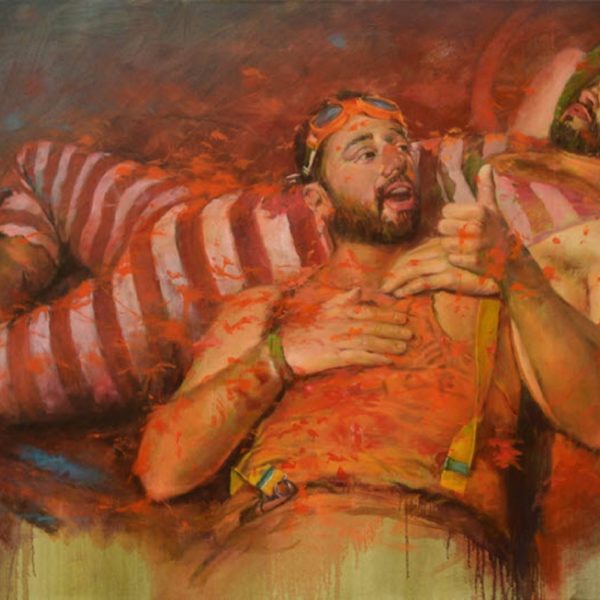


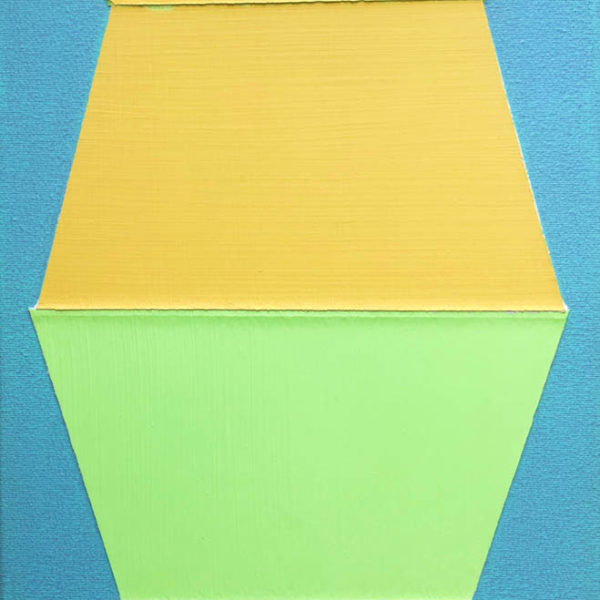


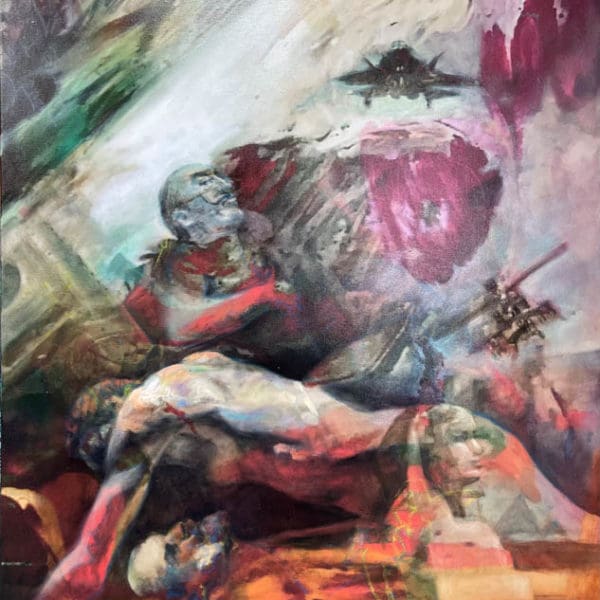


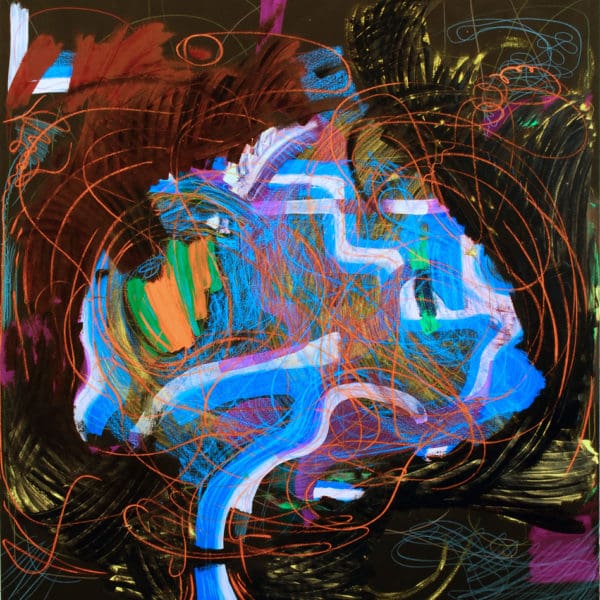

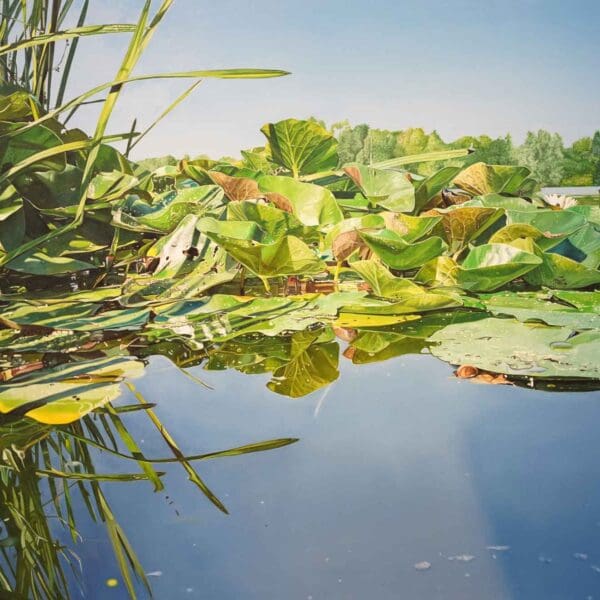
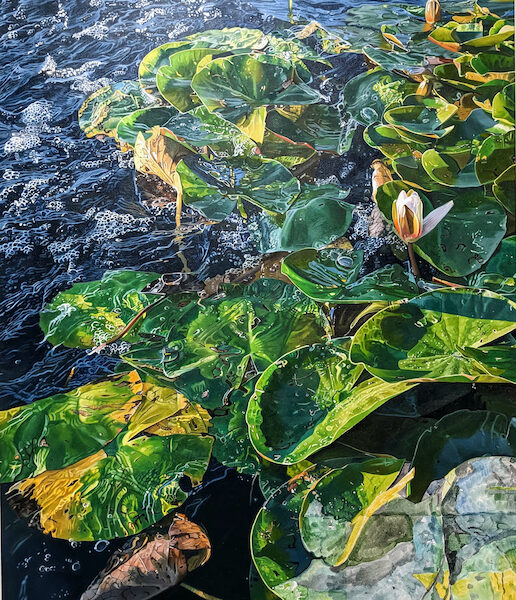
JOHANNES SCHRAMM – Westlicht
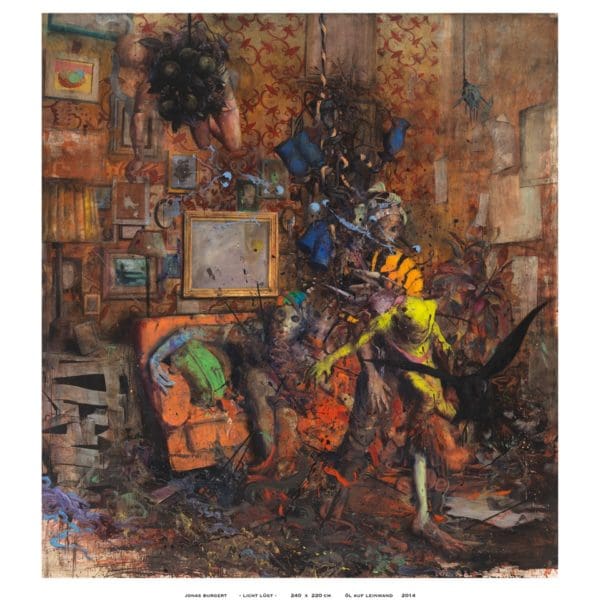

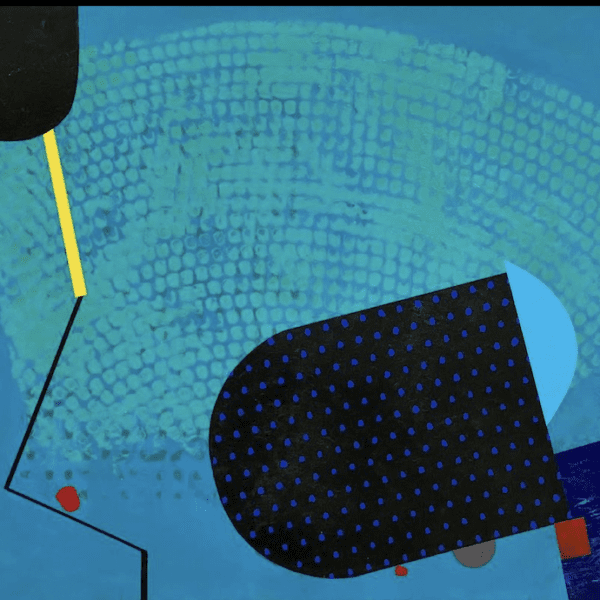
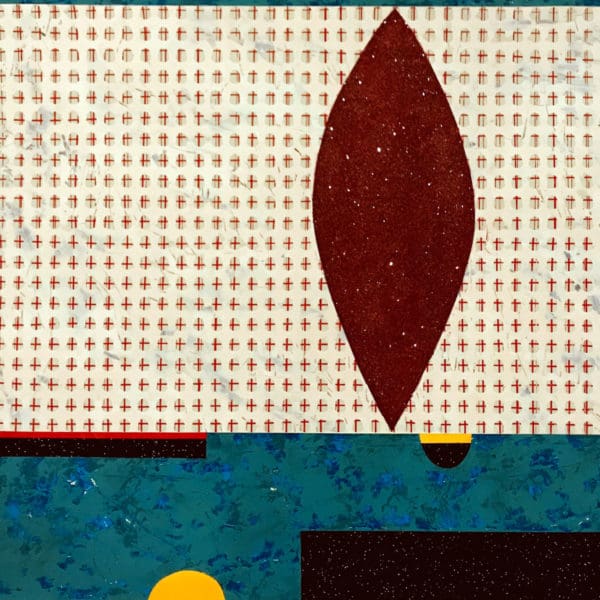

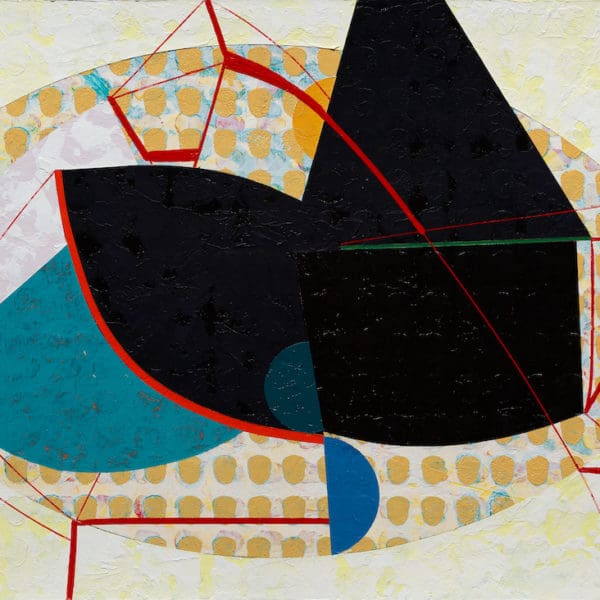
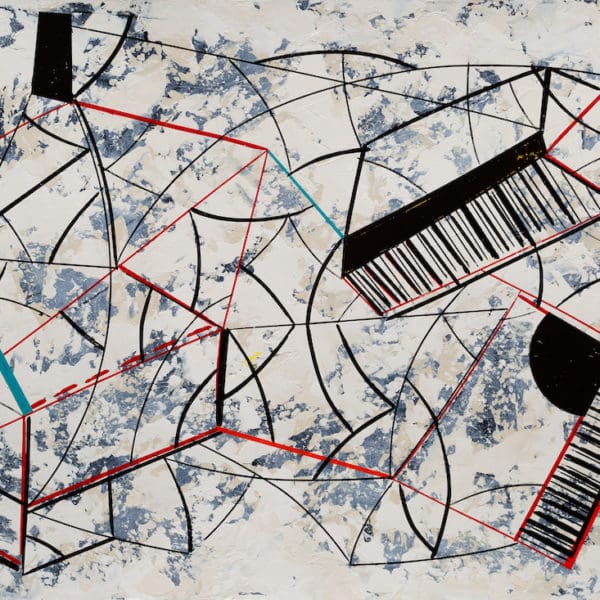
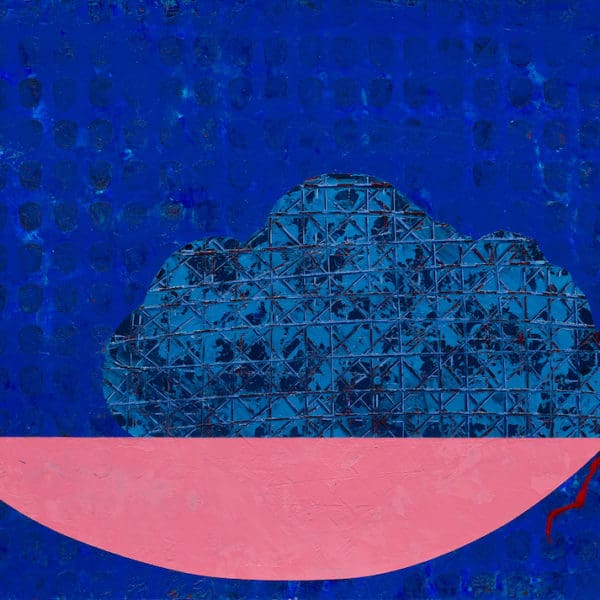
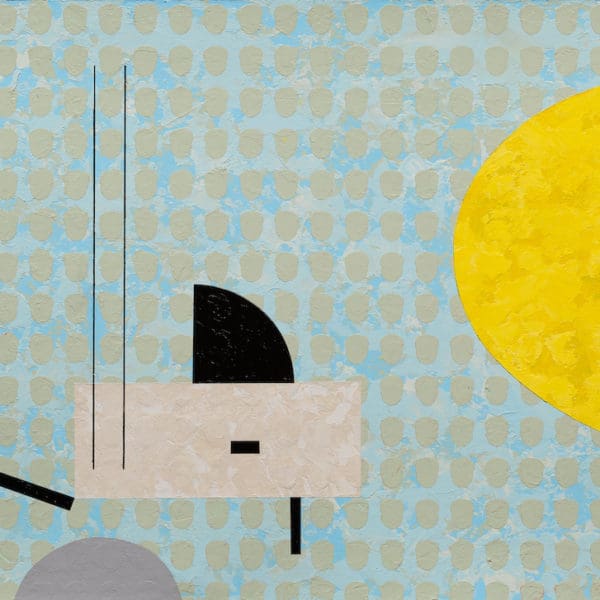
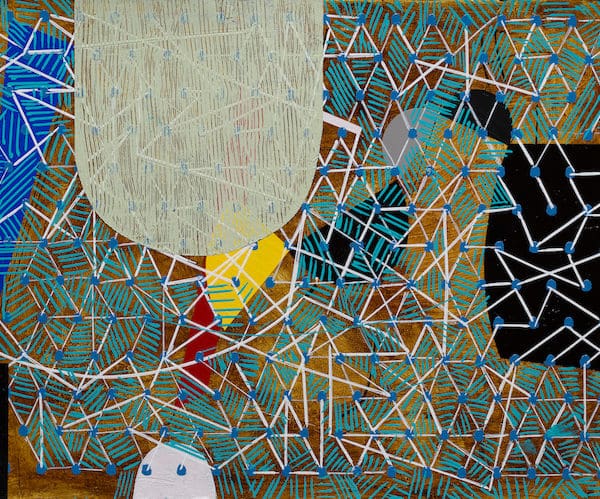
Juan Logan | Small Elegy #18
Juan Logan wurde 1946 in Nashville, Tennessee geboren und arbeitet heute in Belmont, North Carolina. in seiner seit über 30 Jahren andauernden Schaffenszeit hat er in den verschiedensten Techniken - Druckgraphik, Malerei, Skulptur und Installation - und mit unterschiedlichen Materialien wie Holz, Metall, Keramik, Leinwand und Papier gearbeitet. Er hat national und international umfangreich ausgestellt, seine Werke finden sich in zahlreichen öffentlichen und privaten Sammlungen, darunter im Whitney Museum of American Art und das Boulder Museum for Contemporary Art.
Logans Werke greifen oft Themen auf, die sich direkt mit der Situation und den Erfahrungen schwarzer Amerikaner*innen beschäftigen, andere beziehen sich auf allgemeinere menschliche Erfahrungen und verschiedene Formen des Missbrauchs und der Gewalt auf individueller, familiärer, gesellschaftlicher und allgemein menschlicher Ebene. Wie Landkarten machen sie sichtbar, wie hierarchische Beziehungen und soziale Stereotype Individuen, Institutionen und die materiellen und mentalen Landschaften des zeitgenössischen Lebens prägen. Auf diese Weise erinnern sie einerseits an Geschehnisse, die allzu gerne verdrängt werden wie z.B. die Situation flüchtender Menschen auf ihrem lebensgefährlichen Weg und markieren andererseits zugleich die Art und Weise, wie diese Geschehnisse wahrgenommen, dokumentiert und erinnert werden. Die Schwere der Themen steht in scharfem Kontrast zur Schönheit und ästhetischen Ausstrahlung in der Gestaltung wie im Gebrauch des Materials, Diamantsplitter funkeln in dem, was ein Tropfen Blut, eine Träne oder auch eine offene Wunde sein könnte (Elegy LIV). Die "Elegy"- Serie beschäftigt sich mit dem komplexen Zeiträumen zwischen Gedächtnis und Geschehen. Damit Geschehen zu Geschichte wird, muss es als Erinnerung bewahrt werden. Darauf weisen Elegien hin, sie sind sichtbare Fragmente dessen, was bleibt. Auf diese Weise werden in Juan Logans Bildern menschliche Erfahrungen zu bestimmten Farben, Formen oder Linien als Chiffren für Orte, Personen und Dinge in der Erinnerung. Sie fordern uns dazu auf, sie zu ergänzen und dessen zu gedenken, was einmal vollständig war.
Juan Logan was born in Nashville, Tennessee in 1946 and now works in Belmont, North Carolina. In his creative period, which has lasted for more than 30 years, he has worked in a wide variety of techniques - printmaking, painting, sculpture and installation - and with different materials such as wood, metal, ceramics, canvas and paper. He has exhibited extensively nationally and internationally, and his work is included in numerous public and private collections like the Philadelphia Museum of Art, the Baltimore Museum of Art, the Whitney Museum of American art and the Boulder Museum of Contemporary Art.A part of Logan´s works addresses issues that directly focus on the situation and experience of Black Americans, others relate to human experience as a whole and various forms of abuse and violence at the individual, family, societal and general human level. Like maps these works make visible how hierarchical relationships and social stereotypes shape and leave their imprint on individuals, groups and institutions. The material and mental landscapes of contemporary life become visible. Thus, on the one hand, these works call to memory events that are too easily suppressed, like e.g. the situation of fleeing people on their life-threatening journey. On the other hand they mark the way in which these events are perceived, documented and remembered. In many of the works the seriousness of these issues contrasts sharply with the beauty and aesthetic radiance of the design as well as the use of material like in Elegy LIV: diamond dust sparkles in what may be a drop of blood, a tear or even an open wound. The "Elegy" series deals with the complex relation between memory and incidents. Before these become historical events, they must be preserved as memories. Elegies point to this, they are visible fragments of what remains. Thus, in Juan Logan's paintings human experience is transformed into specific colors, shapes or lines as ciphers representing places, people and things in memory. Thus we are challenged to see the whole and commemorate what was once complete.
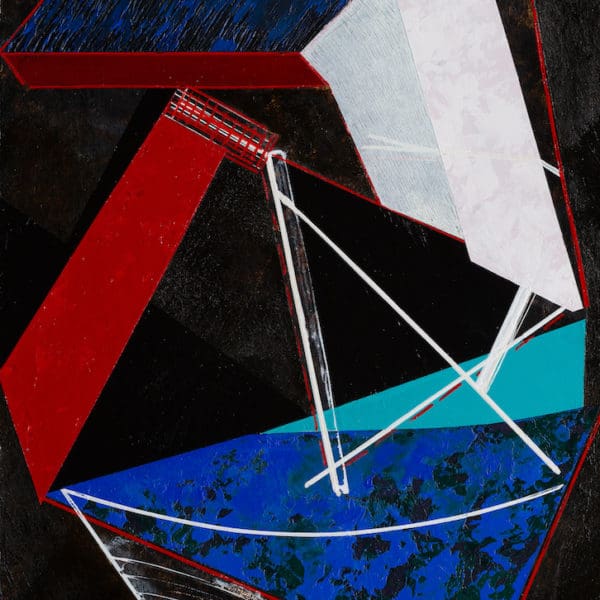

JÜRGEN DURNER – Altar
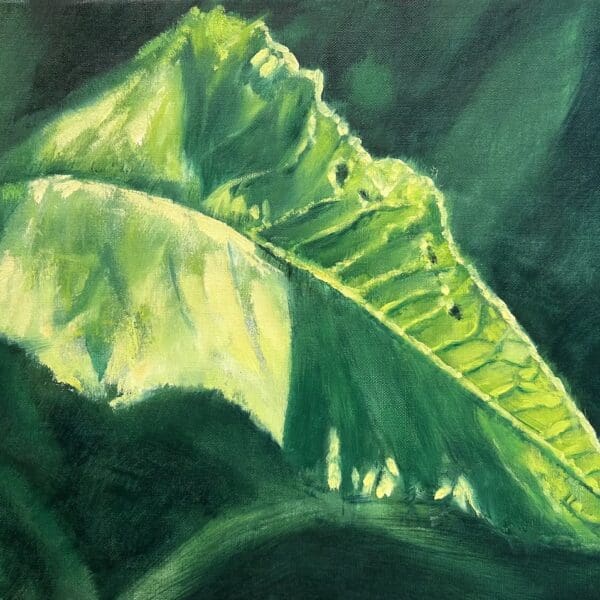
JÜRGEN DURNER – Amazonas

JÜRGEN DURNER – Aorta, 2022

JÜRGEN DURNER – Apple and Rose VIII
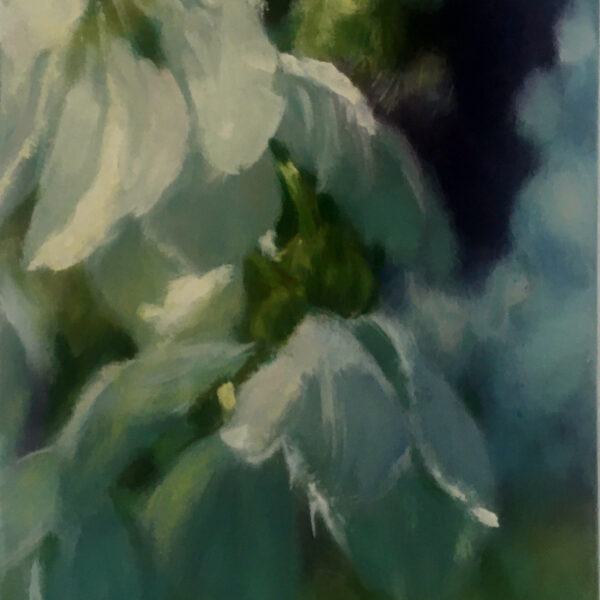
JÜRGEN DURNER – Blüten

JÜRGEN DURNER – Blüten, 2022

JÜRGEN DURNER – Bodennebel
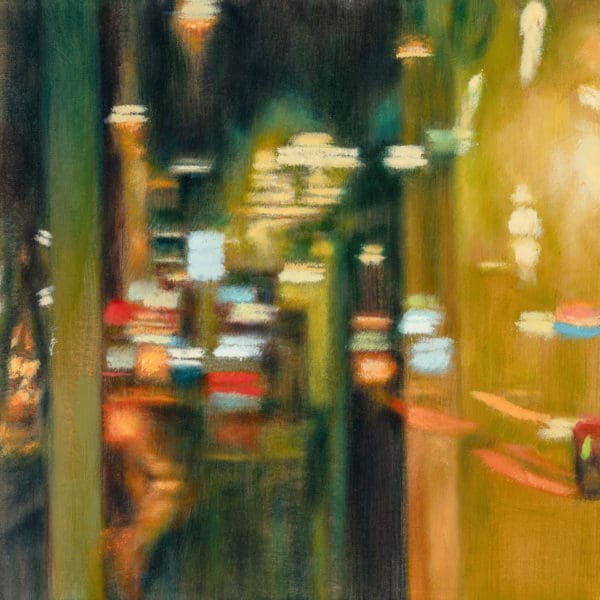
JÜRGEN DURNER – Cloud III, 2022

JÜRGEN DURNER – Delir

JÜRGEN DURNER – Delirium, 2021
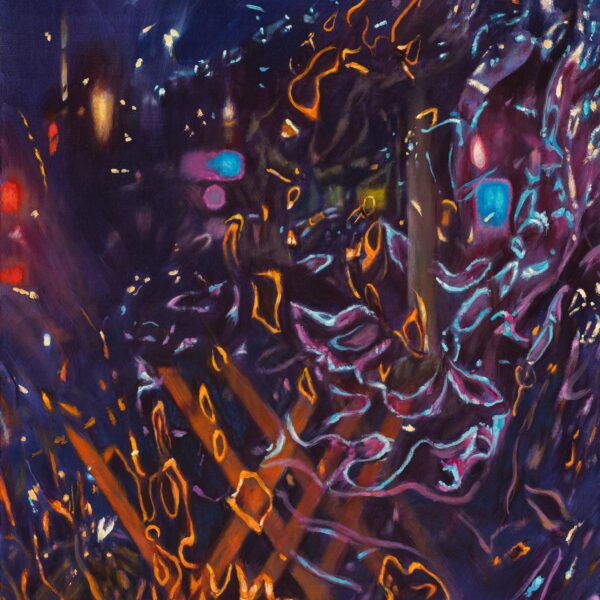
JÜRGEN DURNER – Delirium, 2021

JÜRGEN DURNER – Delphi
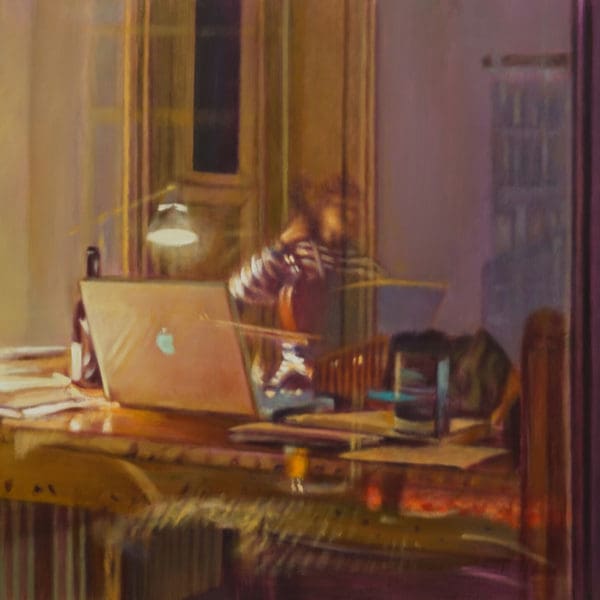
JÜRGEN DURNER – Die Cellospielerin, 2022
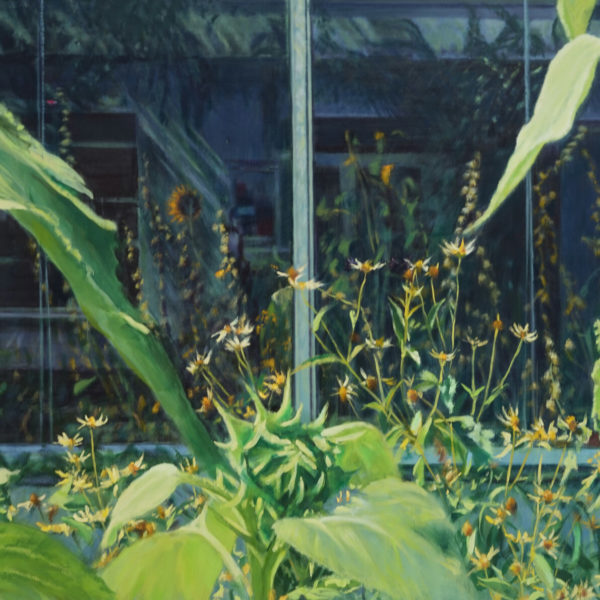
JÜRGEN DURNER – Diesseits und Jenseits, 2022
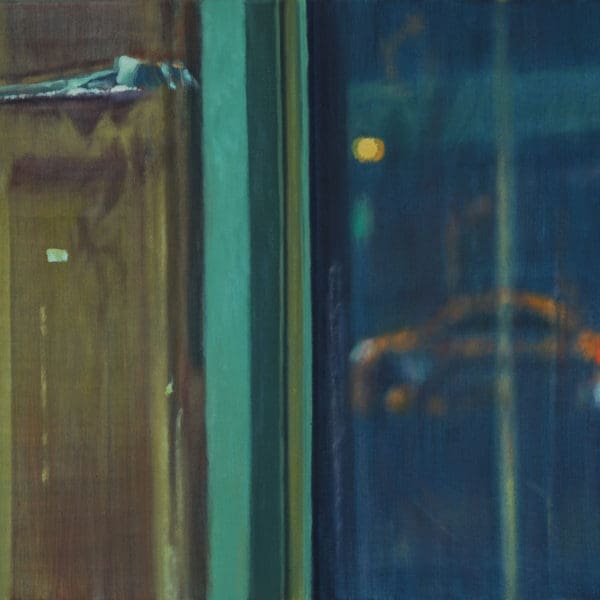
JÜRGEN DURNER – Drohne, 2021
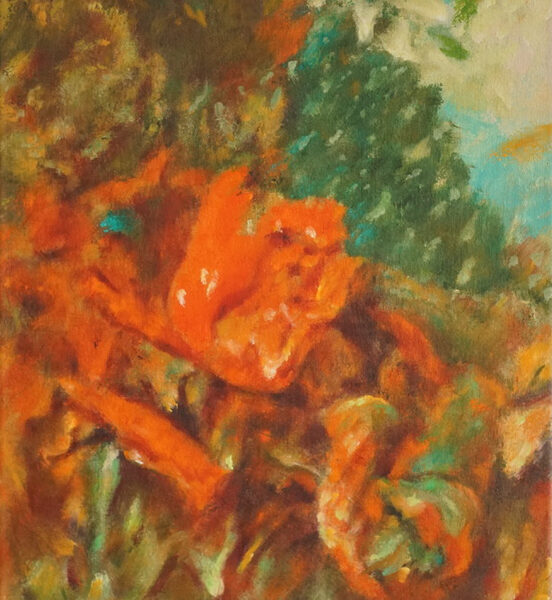
JÜRGEN DURNER – Echtorange
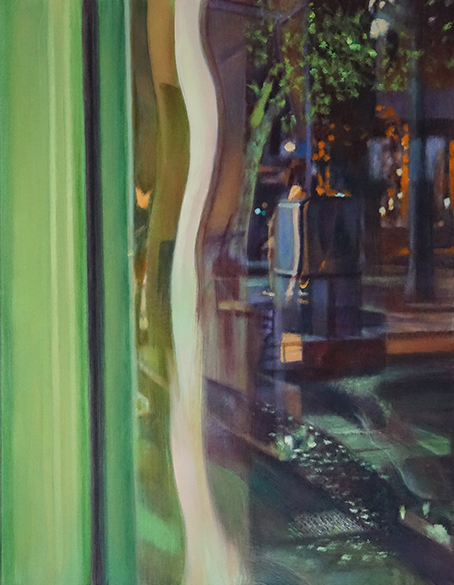
JÜRGEN DURNER – Einschlag
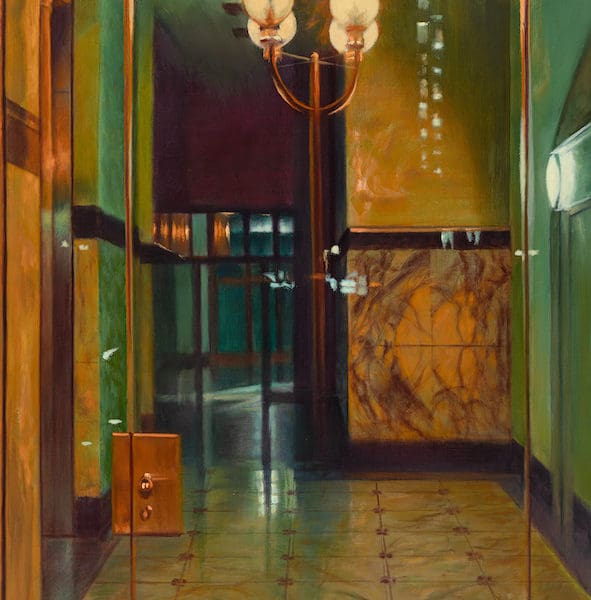
JÜRGEN DURNER – Entrée de verre, 2022

JÜRGEN DURNER – Gefrorenes
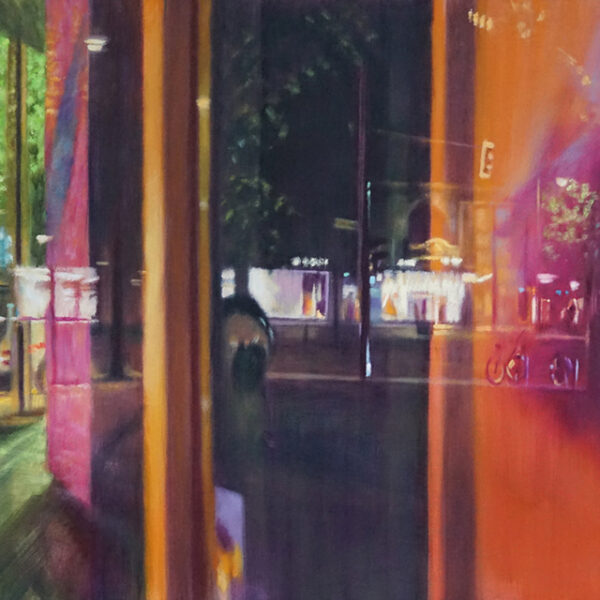
JÜRGEN DURNER – Geheimnis
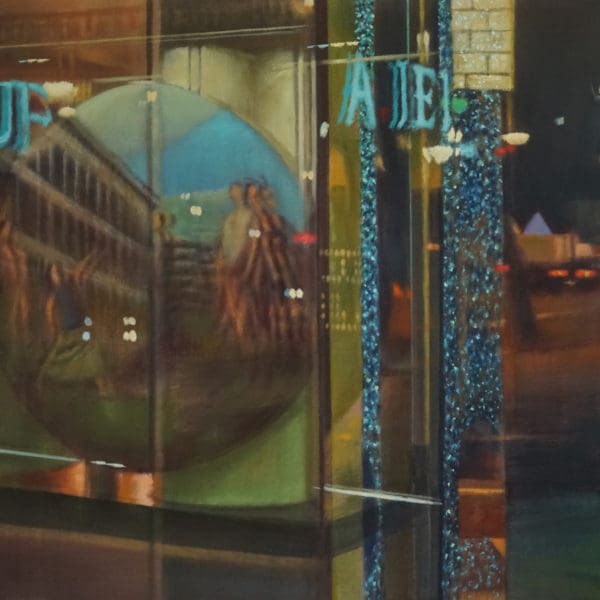
JÜRGEN DURNER – Glücksblase, 2022
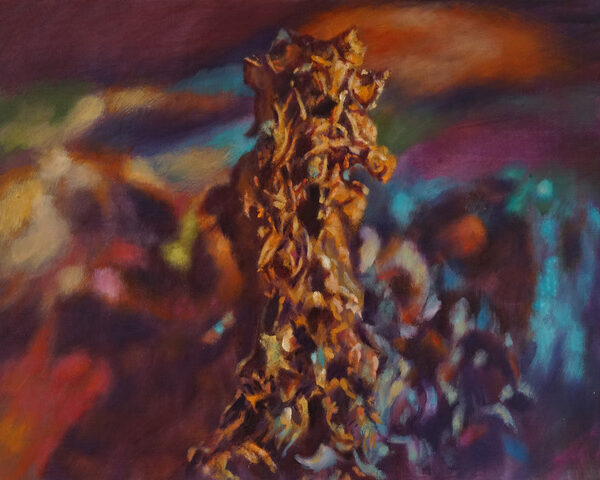
JÜRGEN DURNER – Goldocker

JÜRGEN DURNER – Im Räderwerk, 2022

JÜRGEN DURNER – Indischgelb

JÜRGEN DURNER – Inferno, 2022
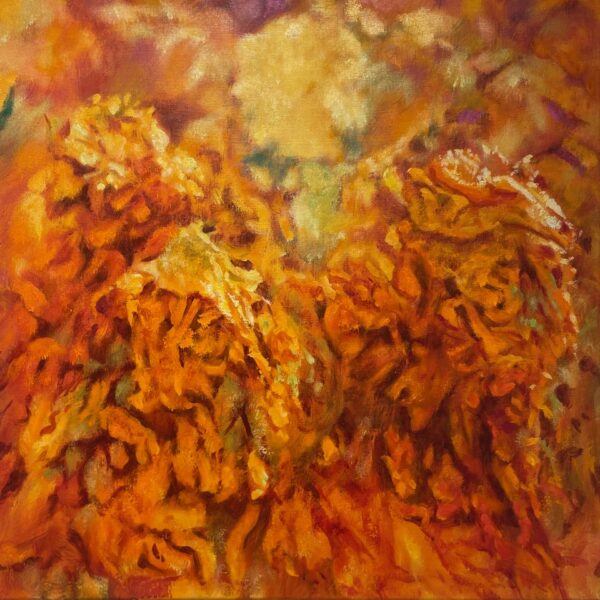
JÜRGEN DURNER – Kadmiumorange

JÜRGEN DURNER – Kadmiumrot

JÜRGEN DURNER – Kapitulation
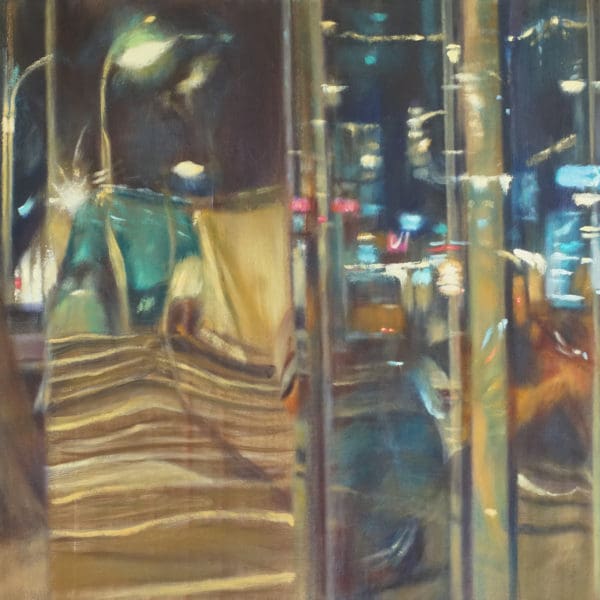
JÜRGEN DURNER – Karambolage, 2022
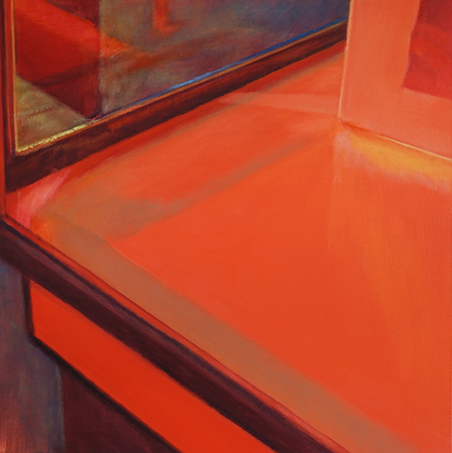
JÜRGEN DURNER – Komposition
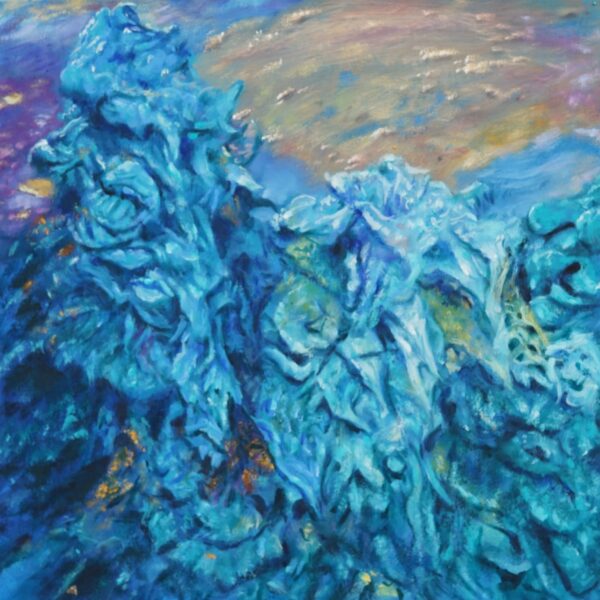
JÜRGEN DURNER – Königsblau
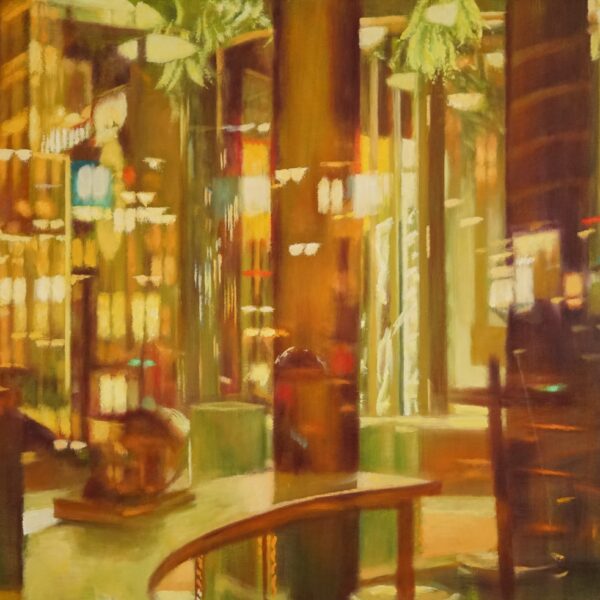
JÜRGEN DURNER – Konzert

JÜRGEN DURNER – Kristallglas, 2022
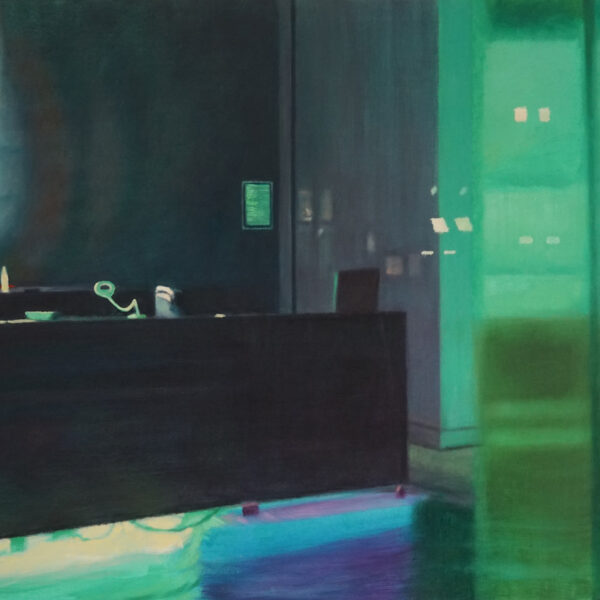
JÜRGEN DURNER – Labor
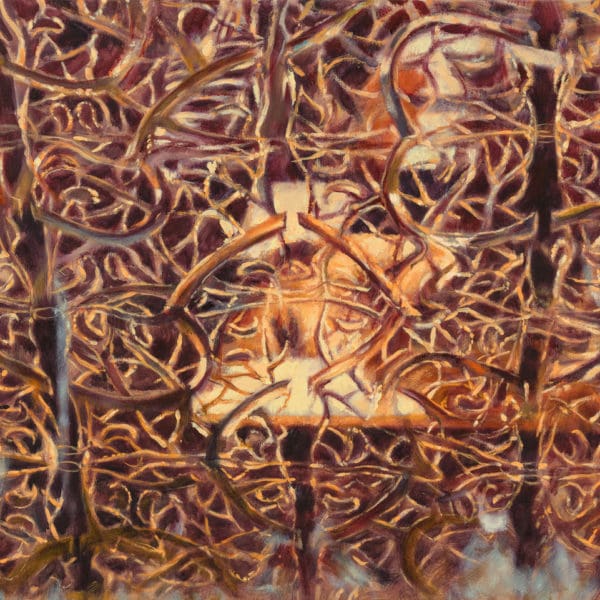
JÜRGEN DURNER – Liebesversteck, 2022

JÜRGEN DURNER – Liebesversteck, 2022
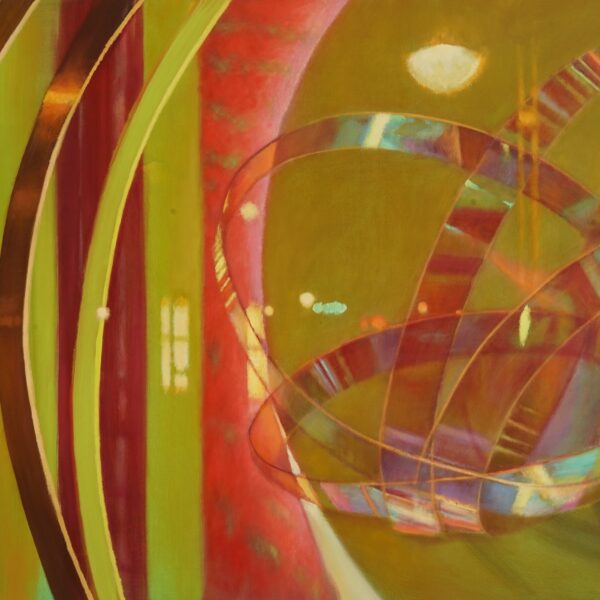
JÜRGEN DURNER – Loop

JÜRGEN DURNER – Love Sex Dreams

JÜRGEN DURNER – Membran, 2021

JÜRGEN DURNER – Metamorphose
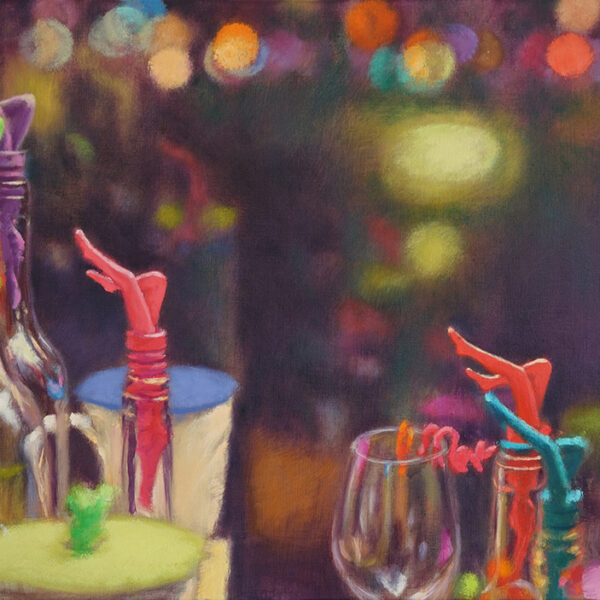
JÜRGEN DURNER – Multiples

JÜRGEN DURNER – Nachtgewächs
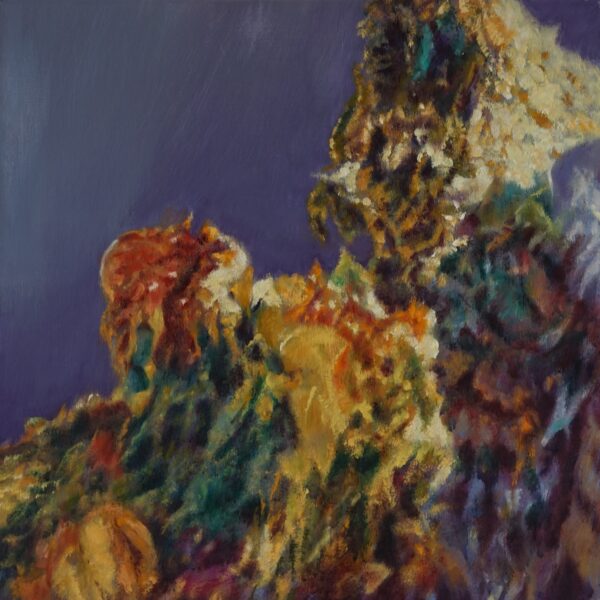
JÜRGEN DURNER – Neapelgelb
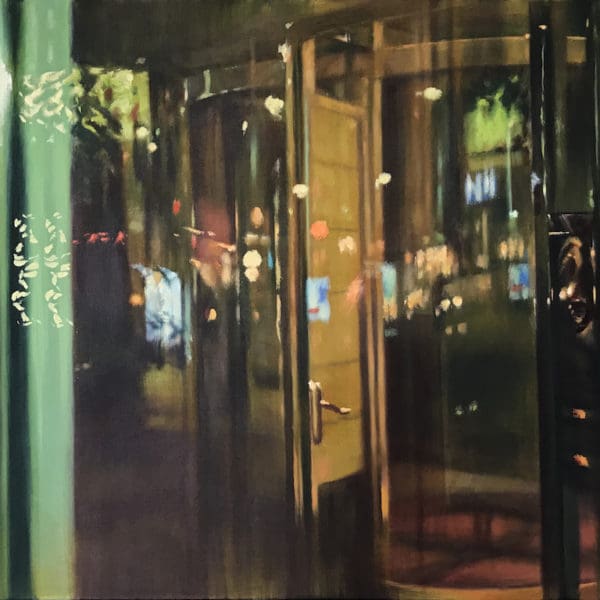
JÜRGEN DURNER – Nirwana II, 2022

JÜRGEN DURNER – Pandora

JÜRGEN DURNER – Paravant

JÜRGEN DURNER – Pforte, 2019
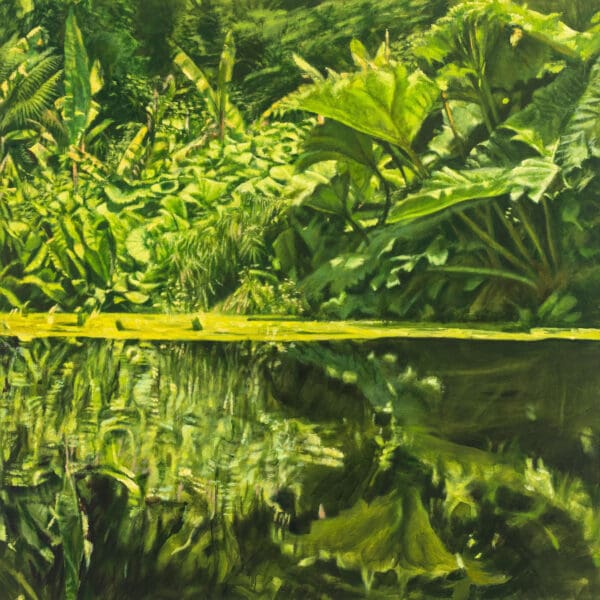
JÜRGEN DURNER – Photosynthese
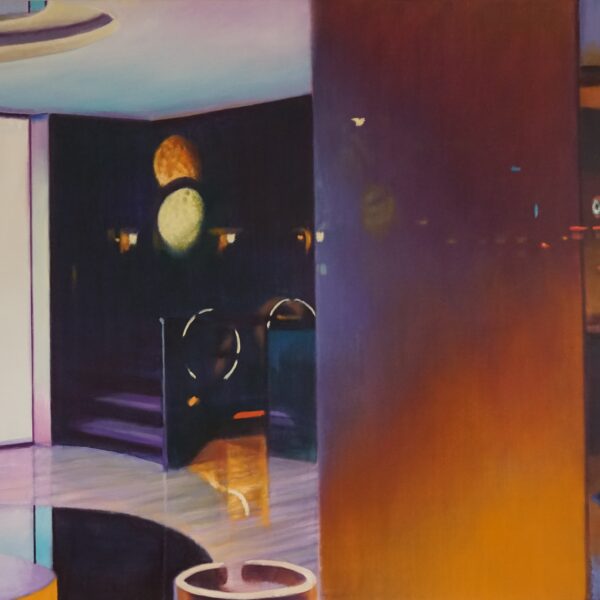
JÜRGEN DURNER – Planeten
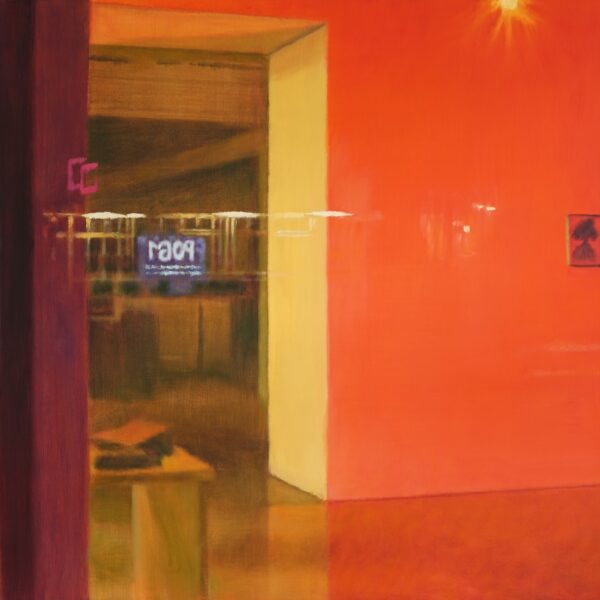
JÜRGEN DURNER – PO61