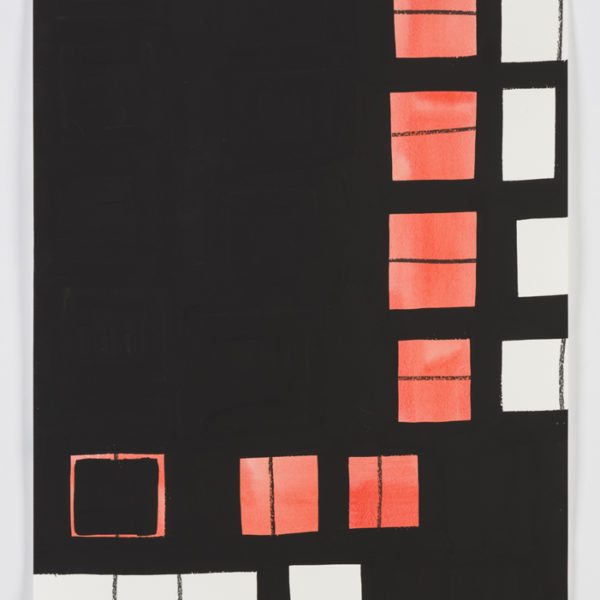
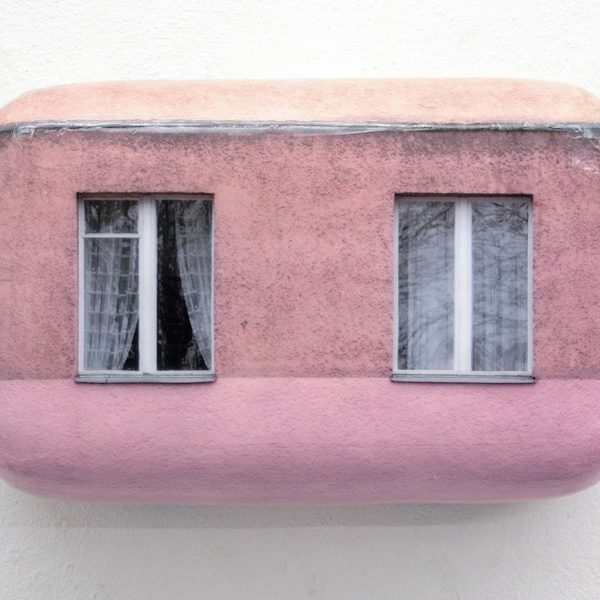
Hein Spellmann | Fassade 100 | 2008

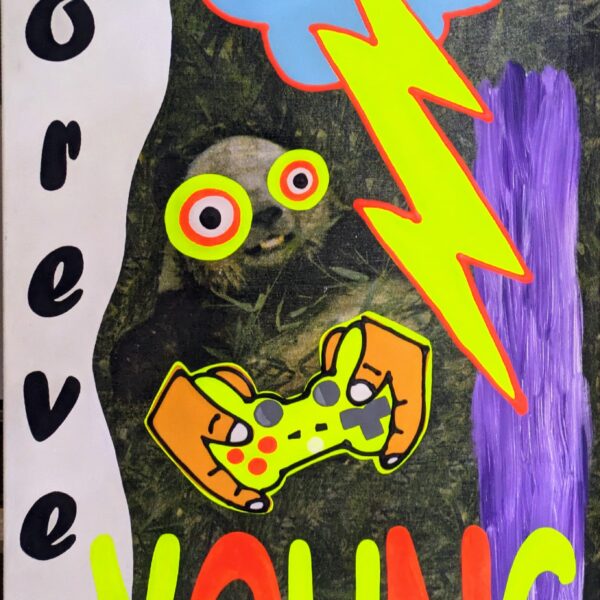
Eilike Schlenkhoff | Spielplatz | 2022
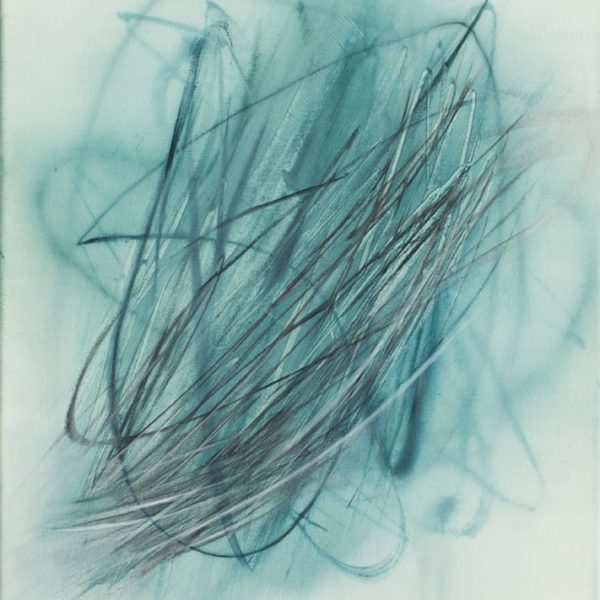
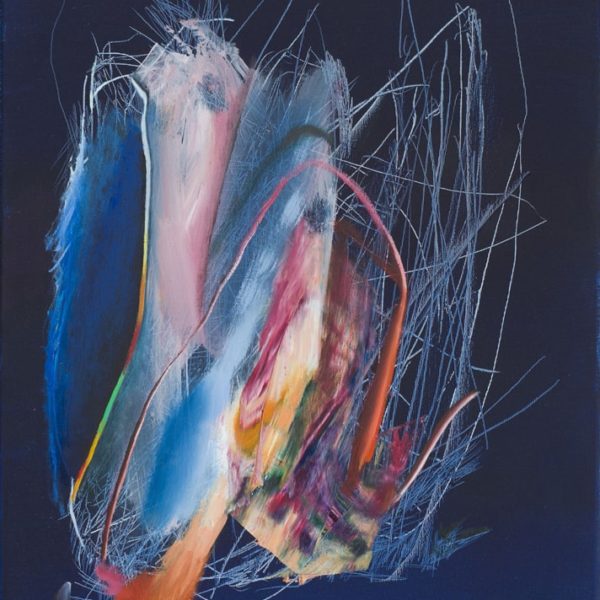
Eilike Schlenkhoff | Eule | 2022
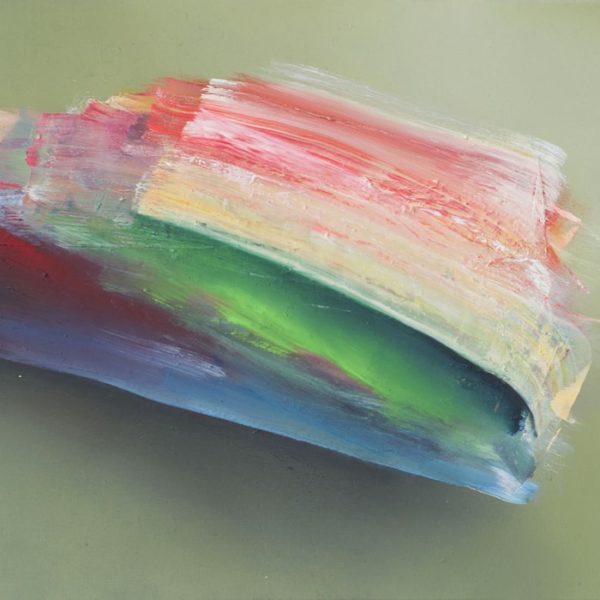
Eilike Schlenkhoff | Wusch 2 | 2022

Eilike Schlenkhoff | Flieg | 2022

Carina Linge – Identität (Tableau S.v.S.), 2019

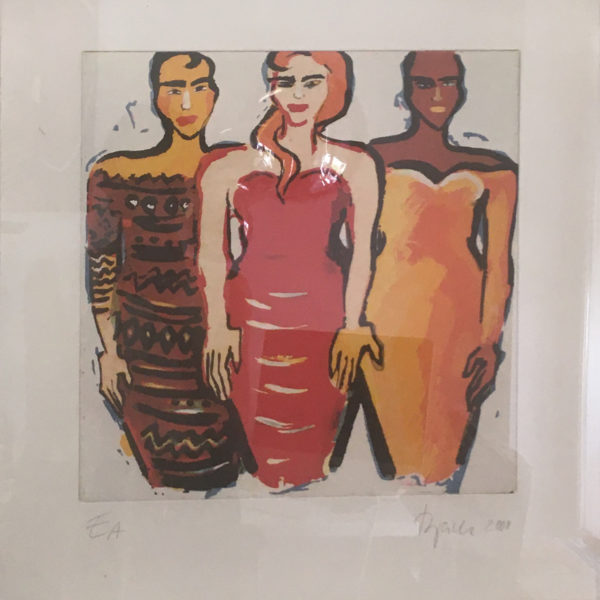
ELVIRA BACH – Drei Grazien, 2000

ELVIRA BACH – Belebung, 2016
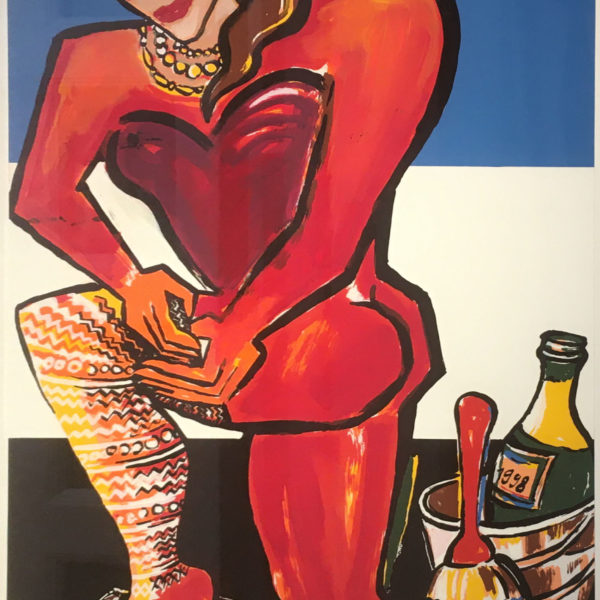
ELVIRA BACH – Rote Frau, 1998

BODO KORSIG – das lüsterne hirn, 2022
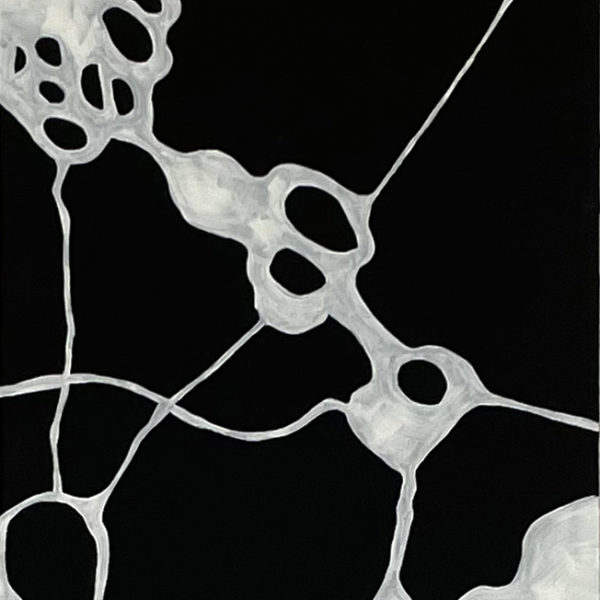
BODO KORSIG – das lüsterne hirn (II), 2022


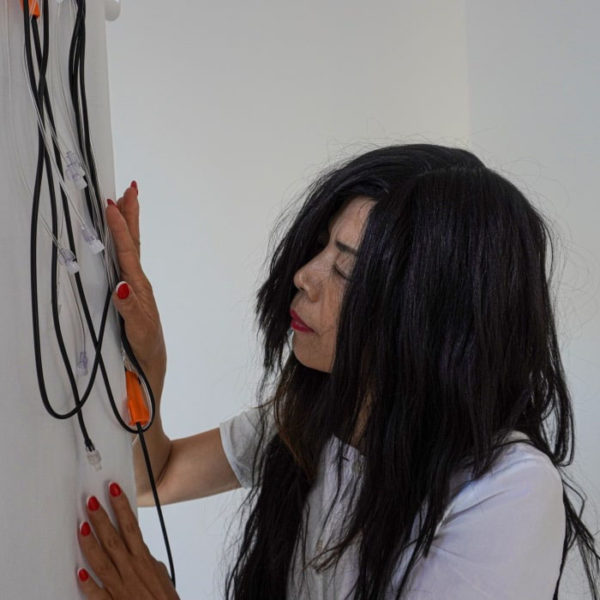

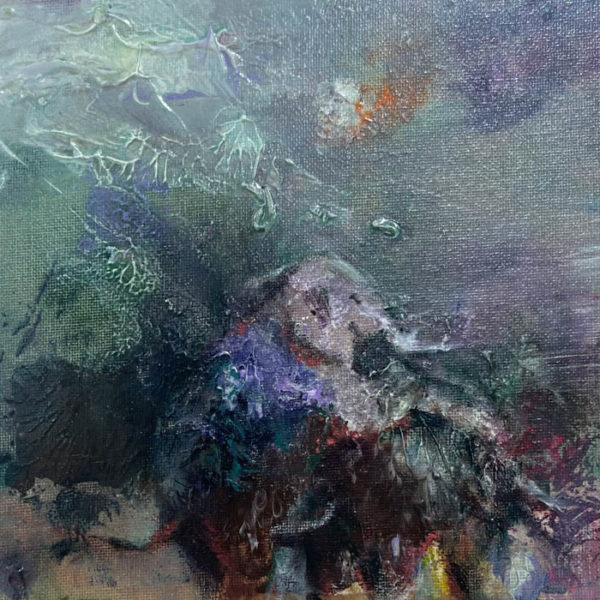

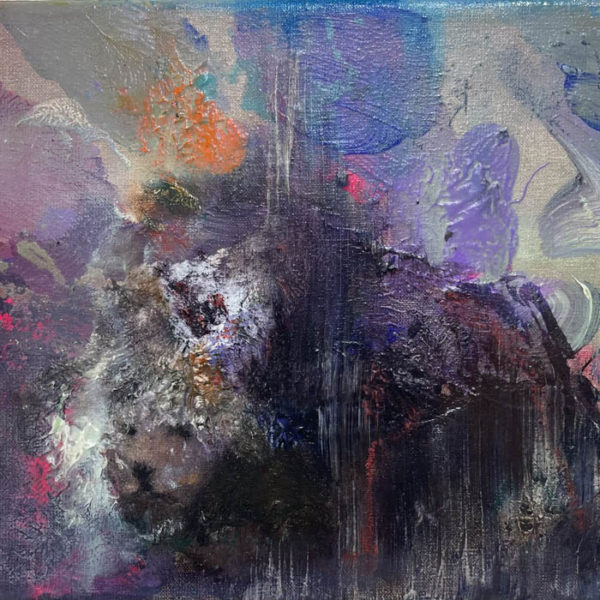

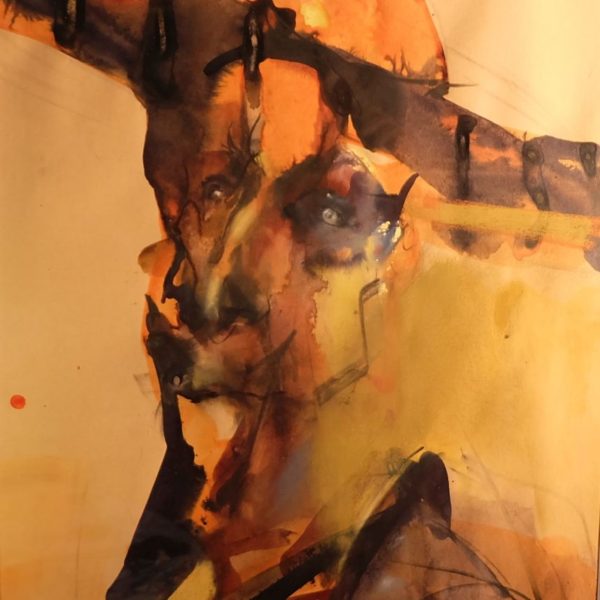
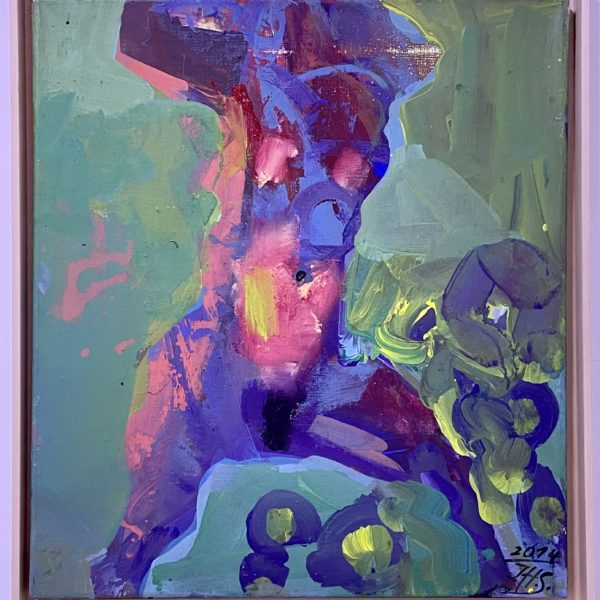
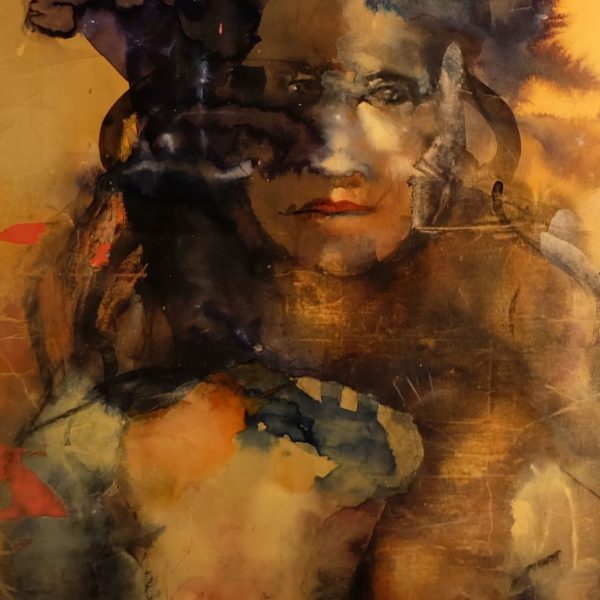
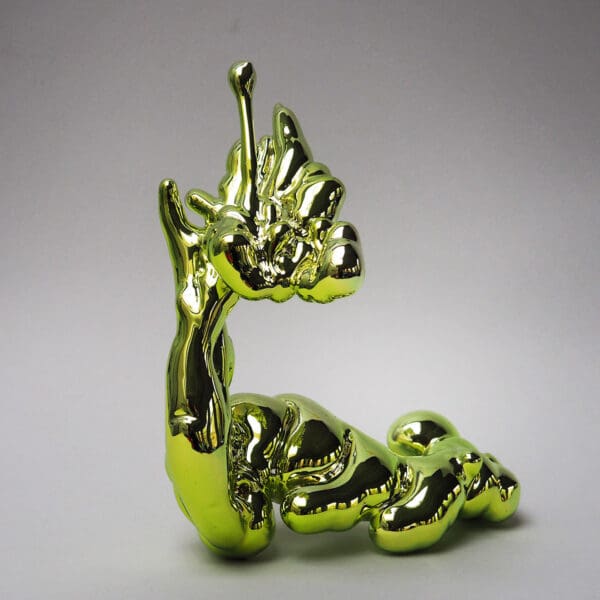
ULRIKE BUHL -Implosion 1 #1, 2014
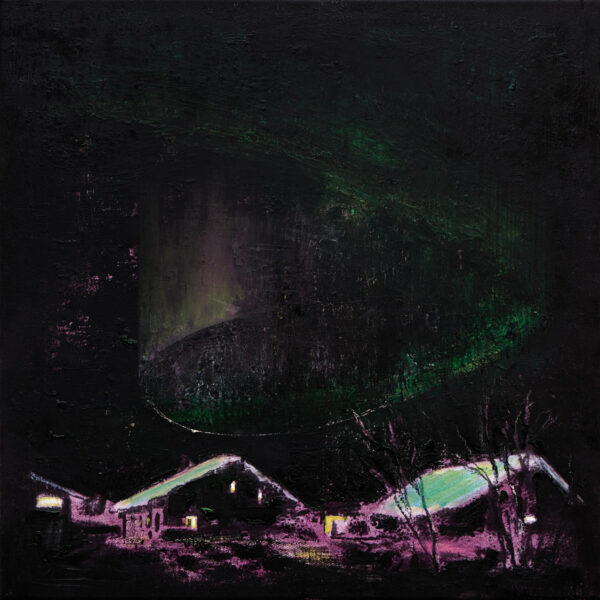
KATHRIN RANK – In the Black


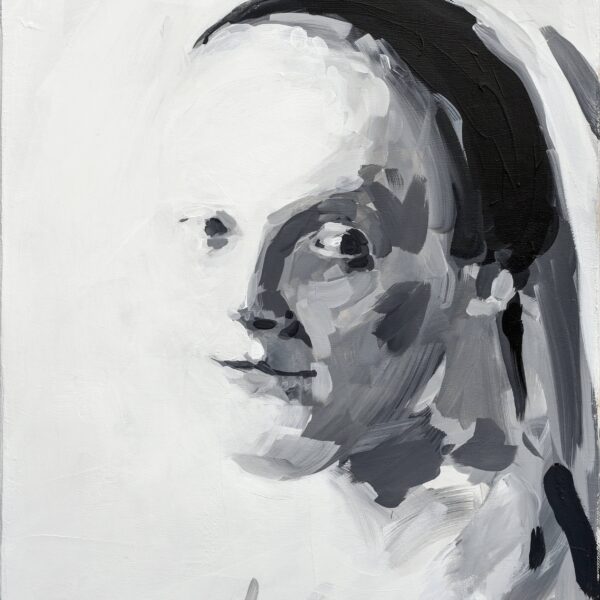


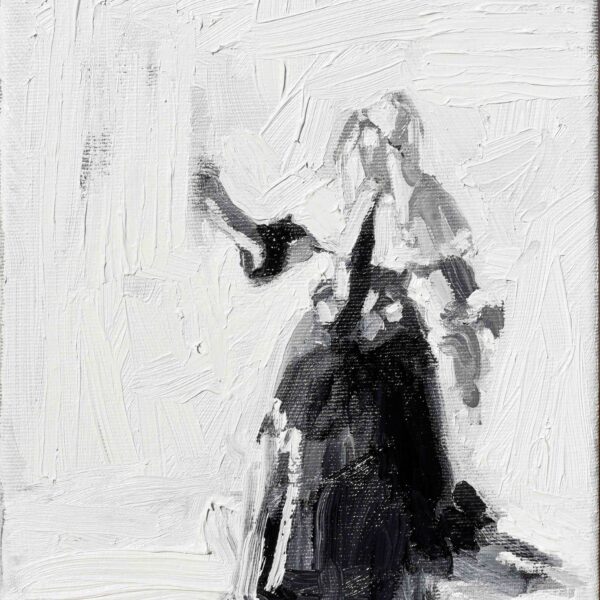
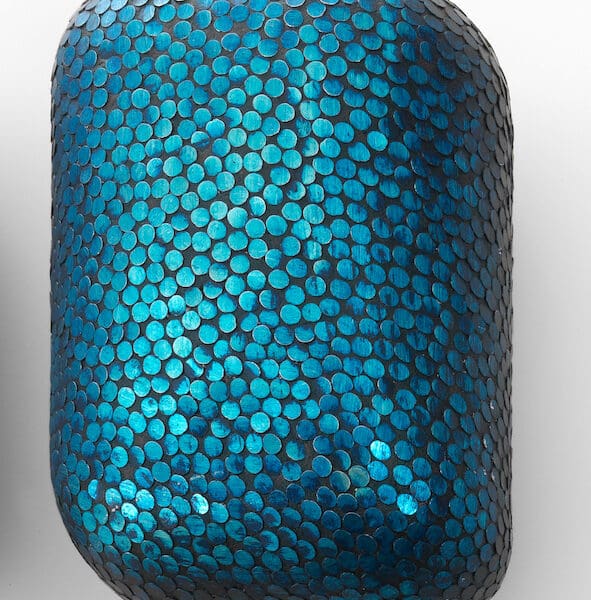
WILLI SIBER – Wandobjekt (metallisch blau)



Alain Ponçon | La brasserie, 2013
Alain Ponçon
Les maries, 2013 Öl auf Leinwand 60 x 60 cm kunstgalerie axmann
Alain Ponçon | L’apéro chez DD, 2018
Alain Ponçon
L'apéro chez DD, 2018 Öl auf Leinwand 60 x 60 cm kunstgalerie axmann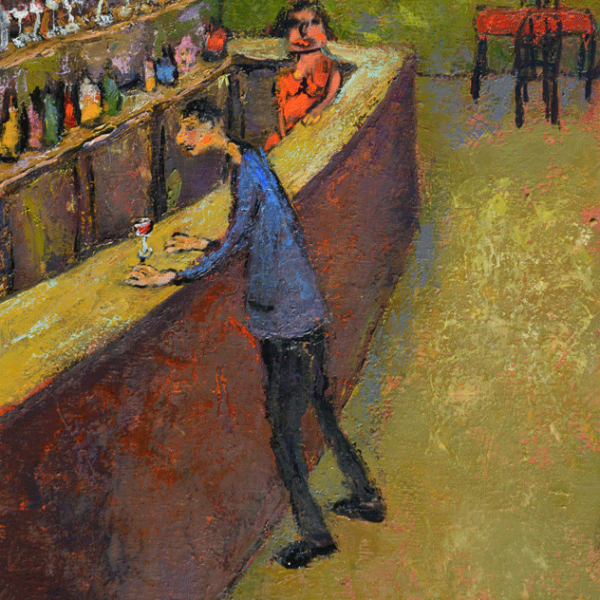
Alain Ponçon | Le Dégingandé, 2017
Alain Ponçon
Le Dégingandé, 2018 Öl auf Leinwand 92 x 65 cm kunstgalerie axmann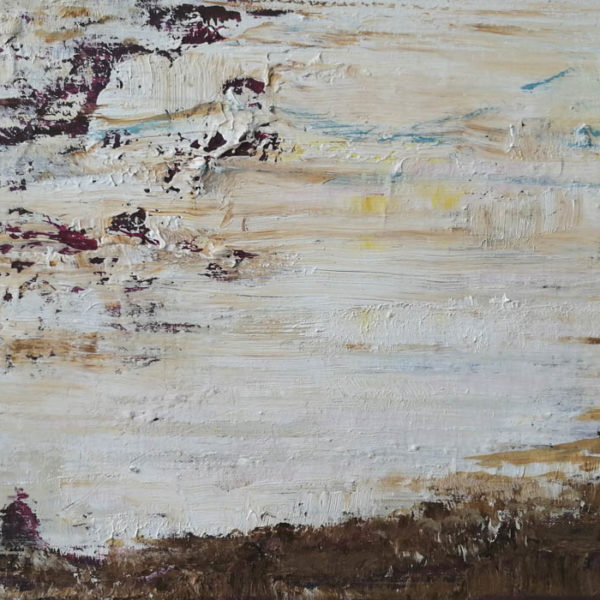

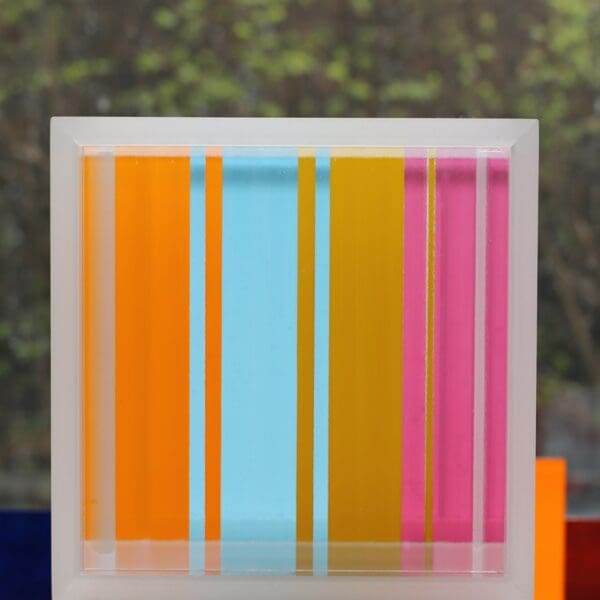
CHRISTIANE GRIMM – Bonbon

MATTHIAS WILL – Kreis räumlich, Spiralelement
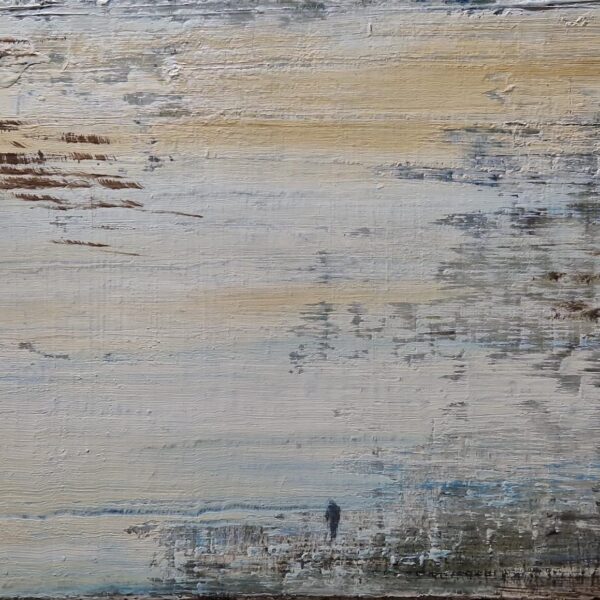
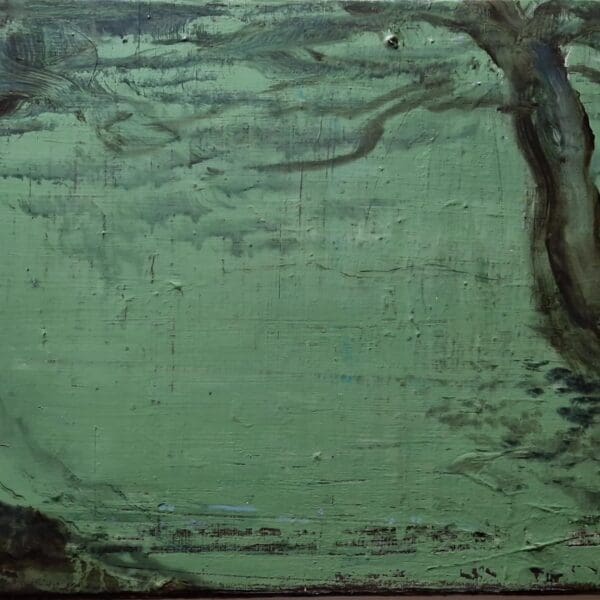
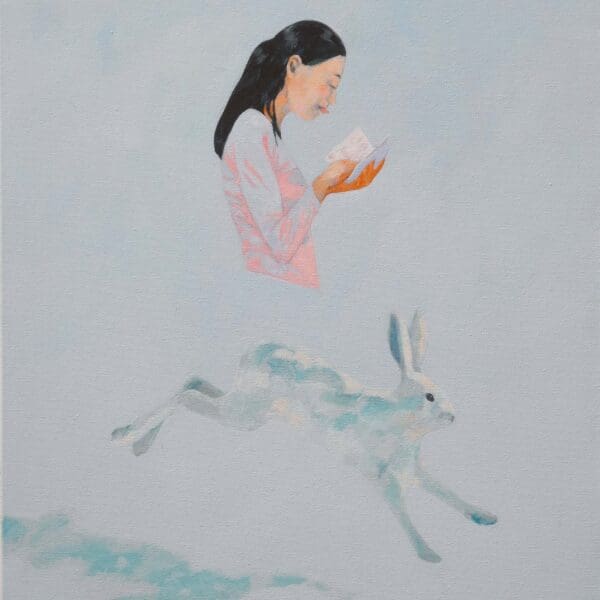
PIERRE FISCHER – Face-book III
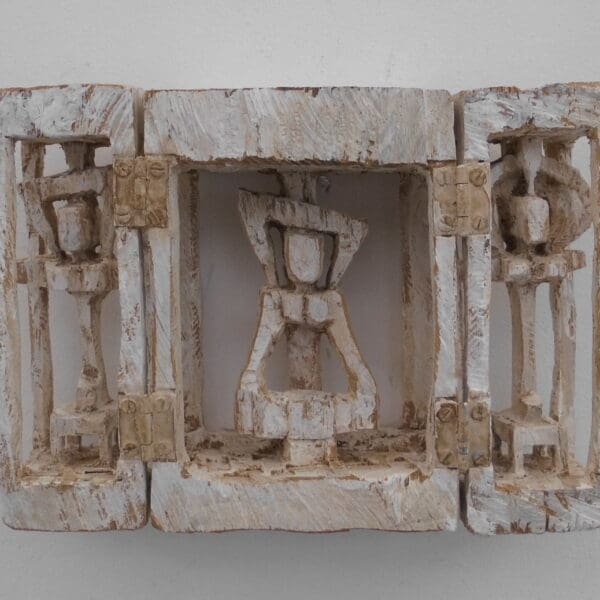
KLAUS HACK – Reisealtar – Die Weihe
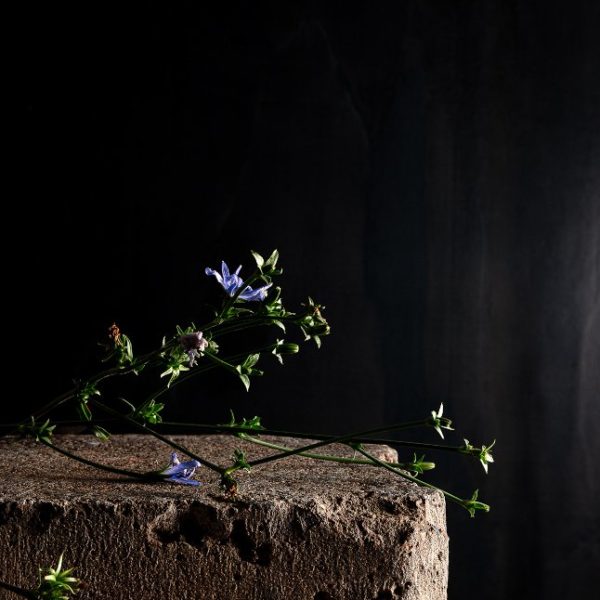
Carina Linge – Lichtblaue Blume (Tableau C.v.L.), 2019
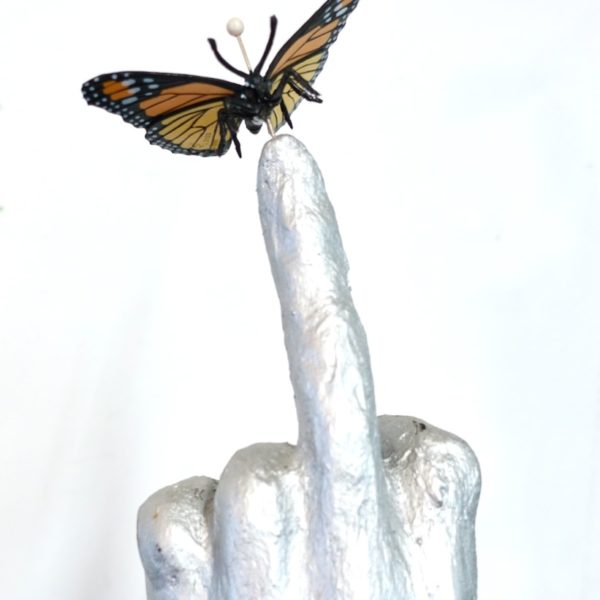

HANS THOMANN – TORNADOFINGER
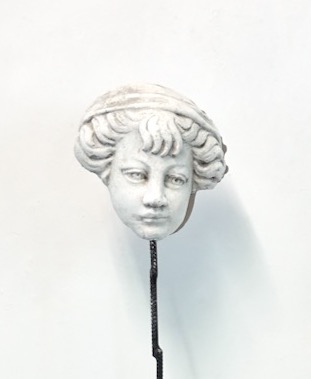
HANS THOMANN – RÜCKS.ICH.T INS HEISS (Sommer)
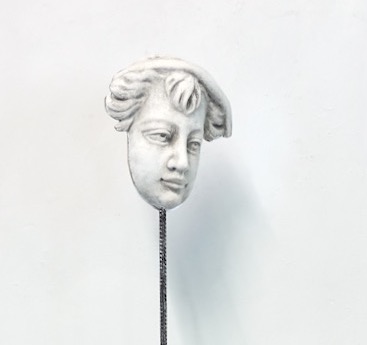
HANS THOMANN – RÜCKS.ICH.T INS HELL (Winter)
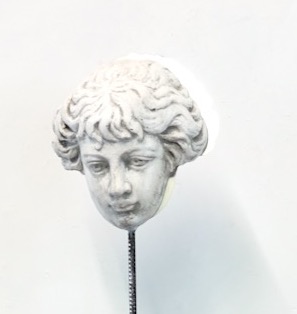
HANS THOMANN – RÜCKS.ICH.T INS ZART (Frühling)
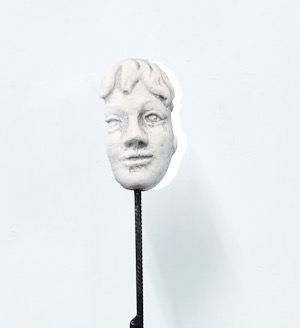
HANS THOMANN – RÜCKS.ICH.T INS BUNT (Herbst)
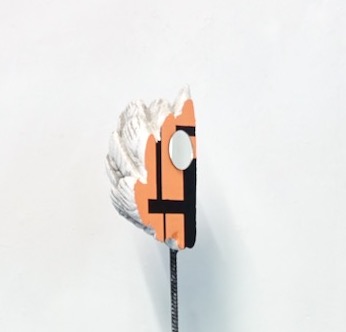
HANS THOMANN – RÜCKS.ICH.T INS ICH


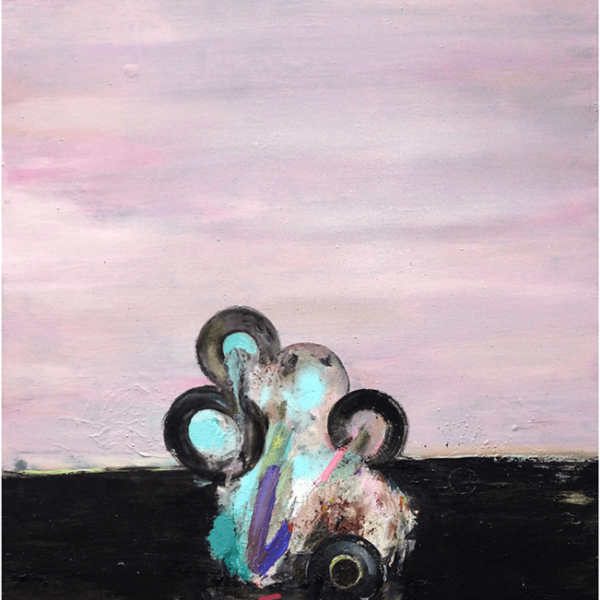
Martin Mohr | Lorelei | EIGENHEIM Weimar/Berlin


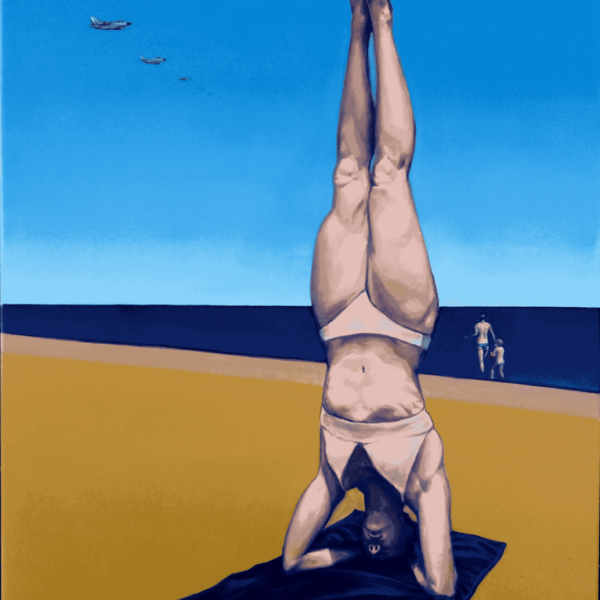
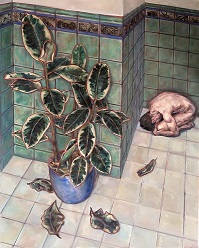
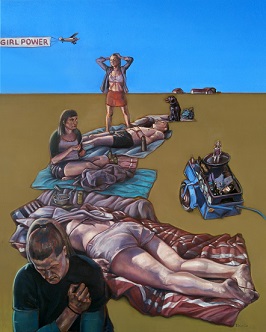
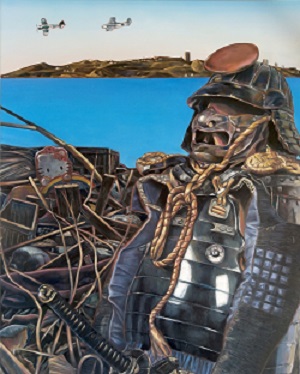
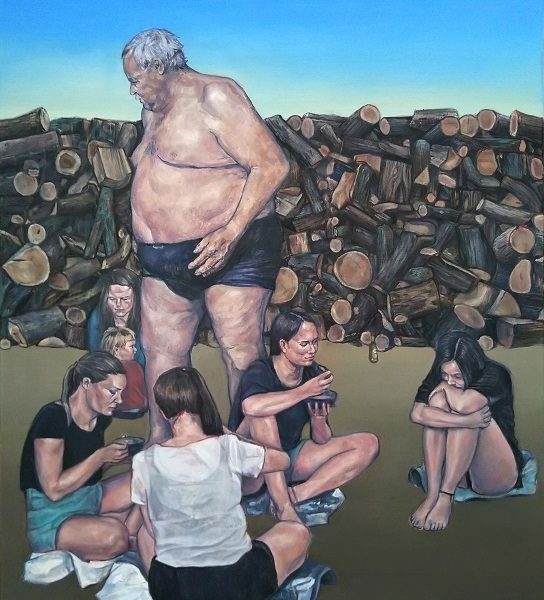


Inge H. Schmidt/ Paar
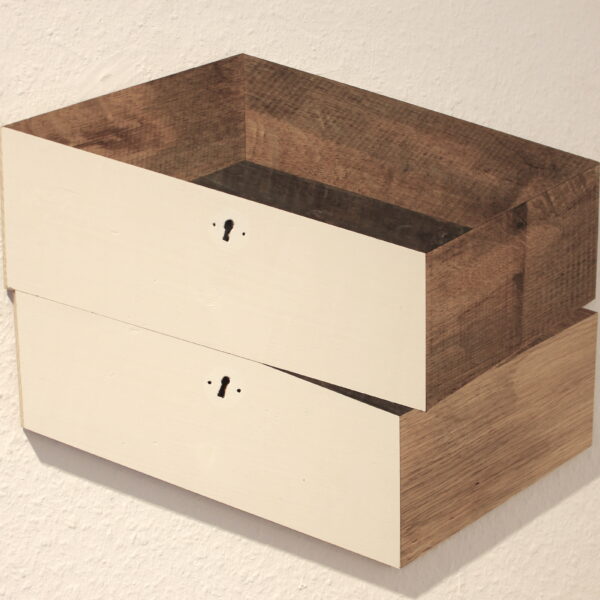
ROBERT STENG – Two Drawers

MATTHIAS WILL – Kugelelement
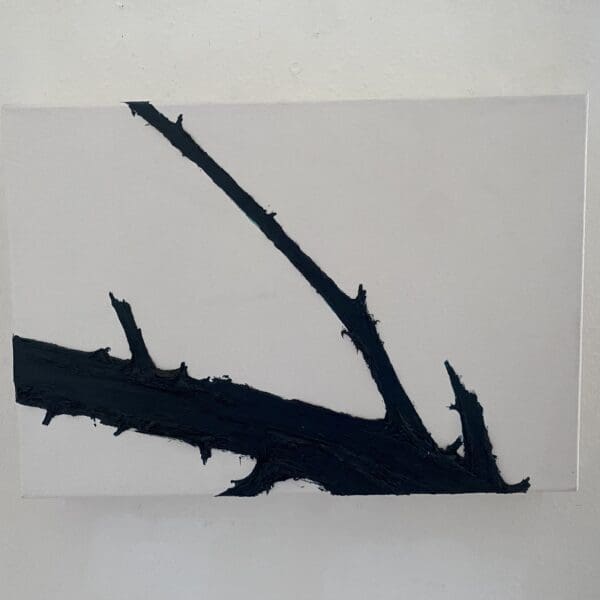
HELGE HOMMES – WALDESRUH
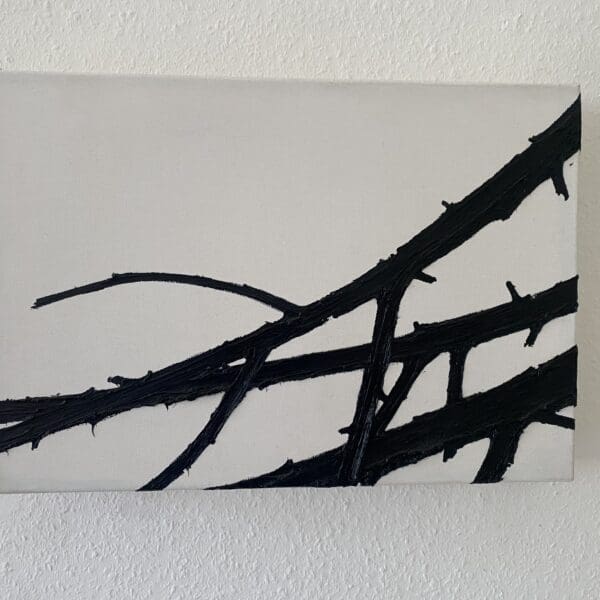
HELGE HOMMES – WALDESRUH
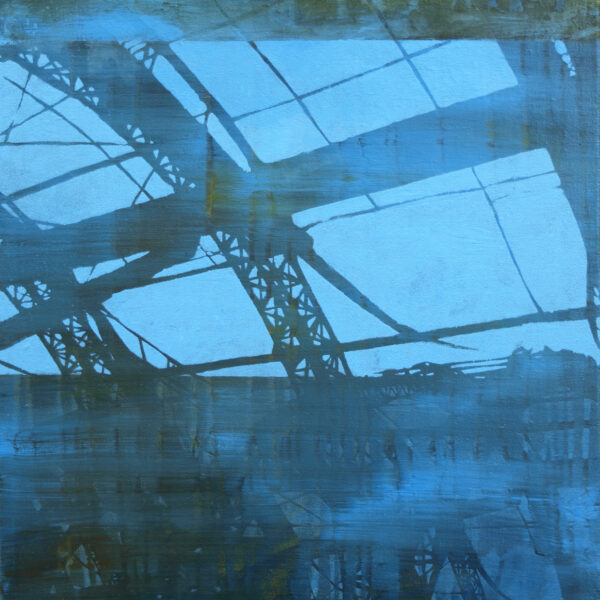
HANNAH BECHER – Bewegung


Ana Rajcevic | Animal: The other side of Evolution, 2012

ELVIRA BACH – Auf der Erbse, 2010


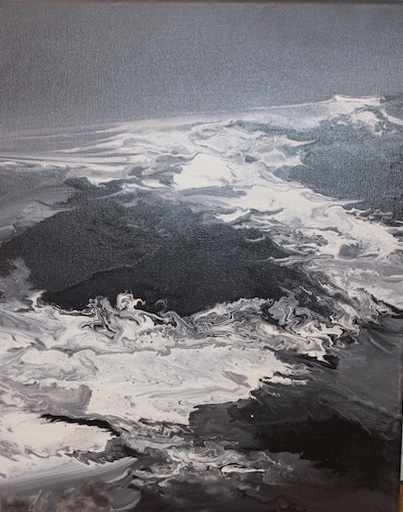
SUSANNE KNAACK – o. T.
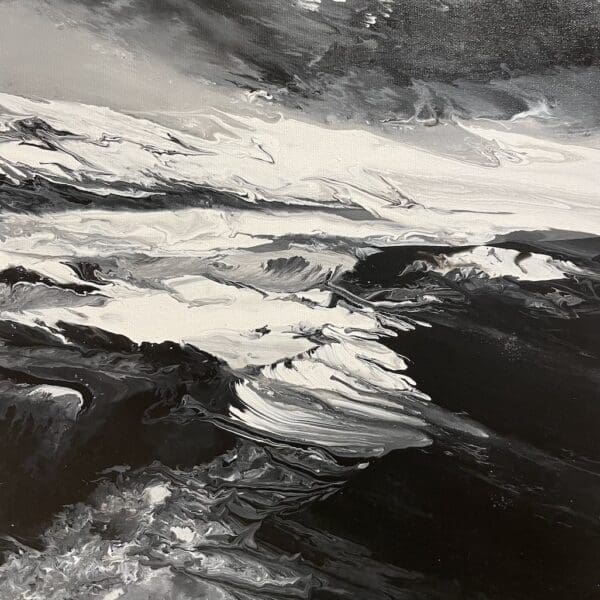
SUSANNE KNAACK – o. T.

SUSANNE KNAACK – o. T._1
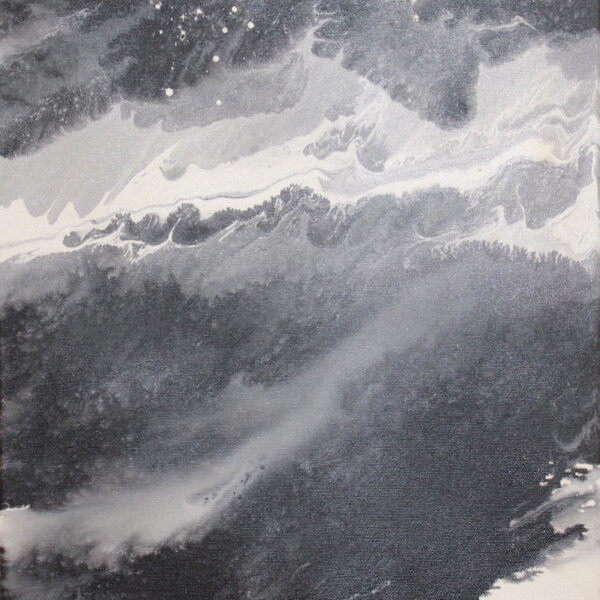
SUSANNE KNAACK – o. T._2

ARIANE BOSS – Amor und Kätzchen

KLAUS HACK – Kopf
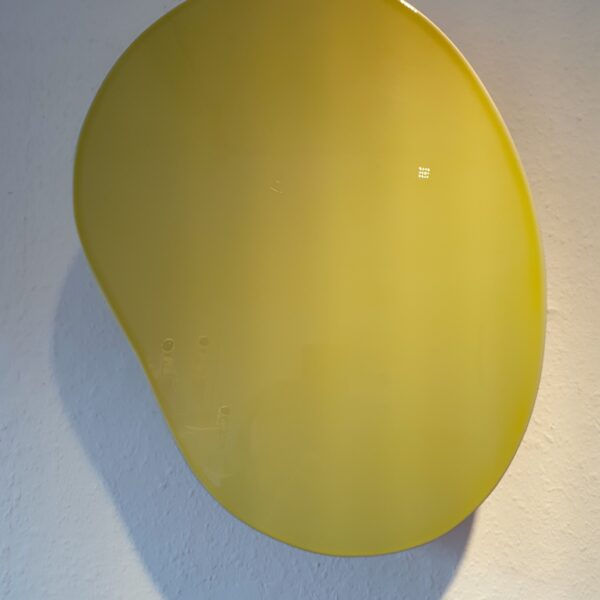
WILLI SIBER – Wandobjekt “Bubble”, flach, grüngelb, maxi
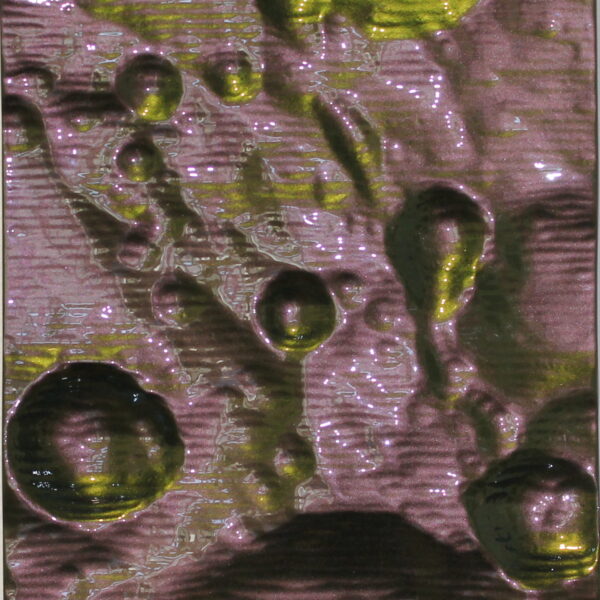
WILLI SIBER – Wandobjekt / Mondlandschaft, violett/grün
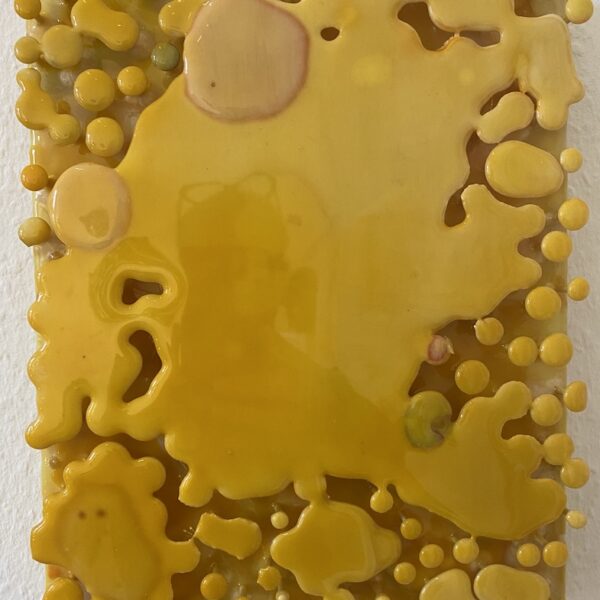
WILLI SIBER – Wandobjekt / Nägel-gelb
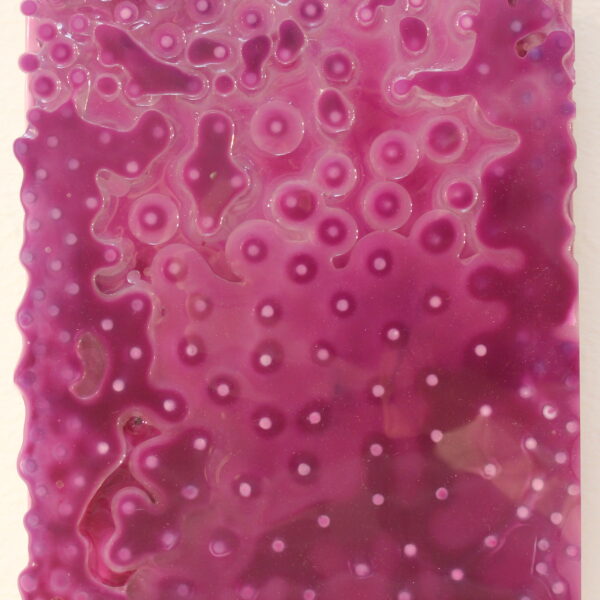
WILLI SIBER – Wandobjekt / Nägel-brombeer

WILLI SIBER – Wandobjekt “Igel”, gelb
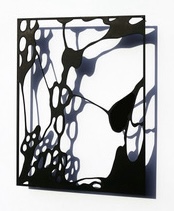
BODO KORSIG – Lost in Paradise

DIANE HAEFNER – Knollbert
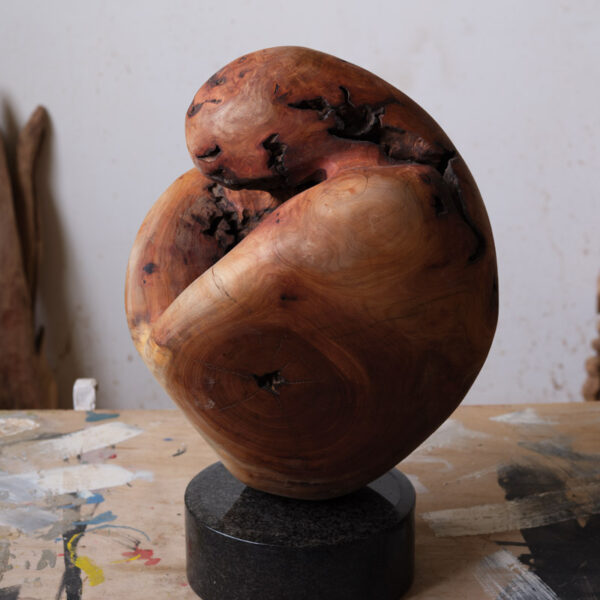
REINHARD FESCHAREK – Nagende Scham

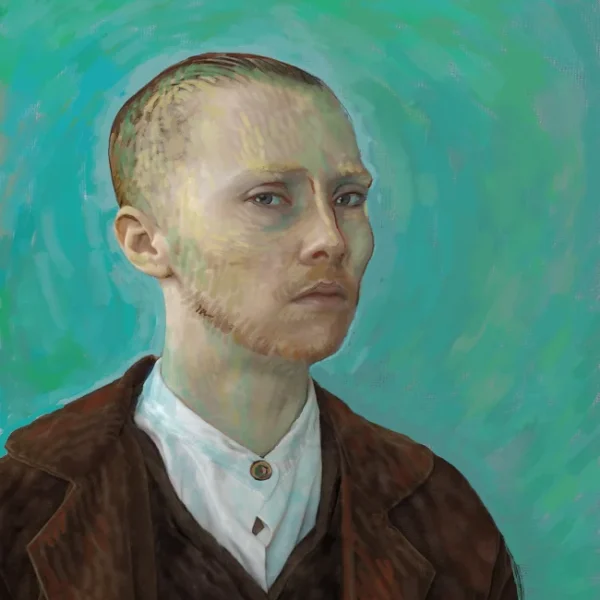
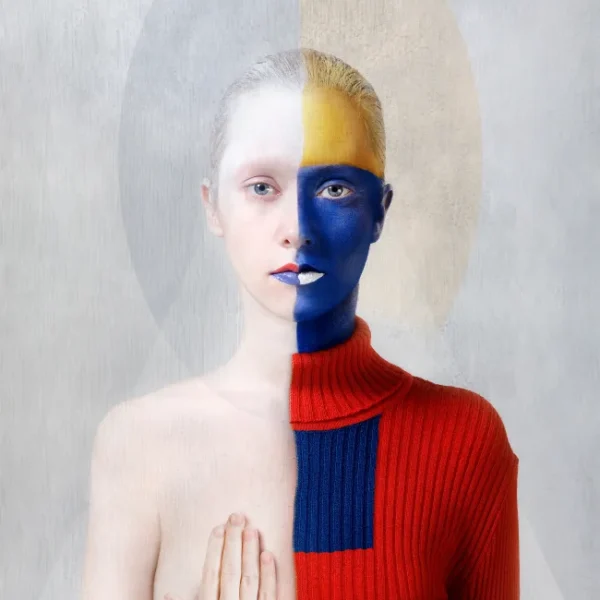

Felix Baxmann | o. T. | FBMM19_028, 2019

Felix Baxmann | o. T. | FBMM19_027, 2019

Carina Linge – Stilleben mit Disteln (Tableau K.T.), 2020
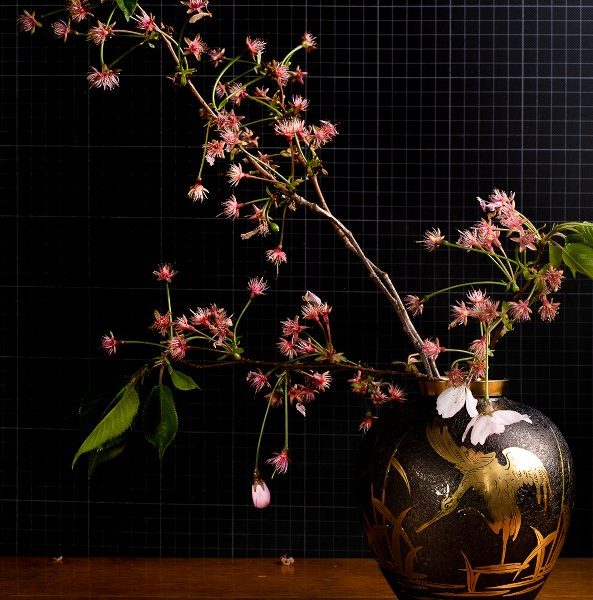
Carina Linge – Stilleben mit Kranich (Tableau S.v.S.), 2019
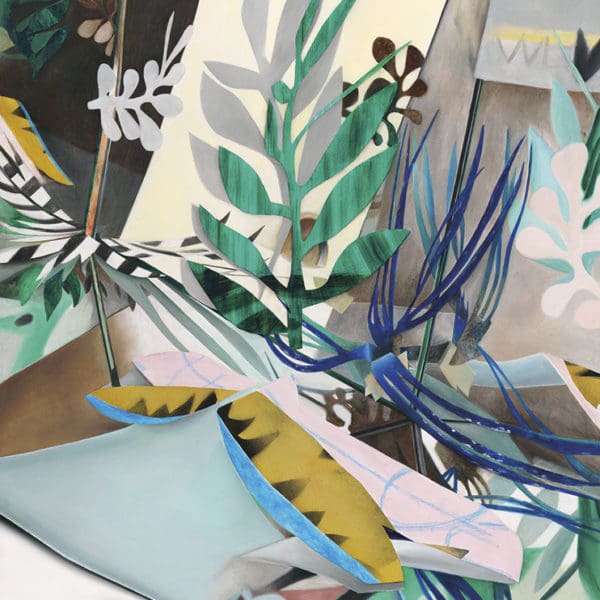
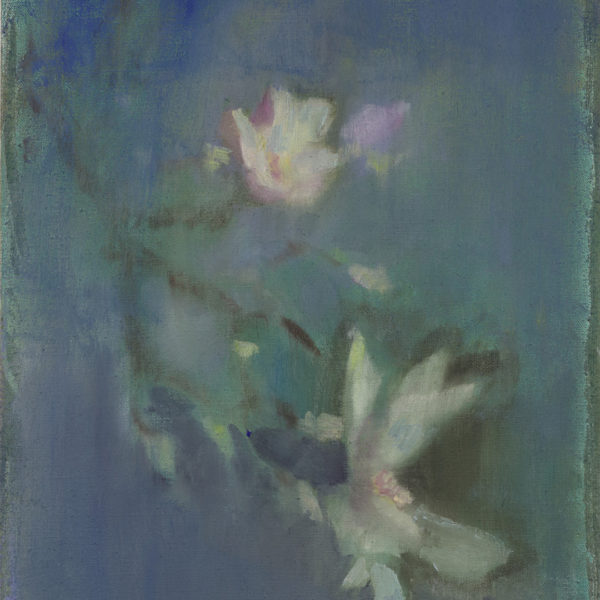


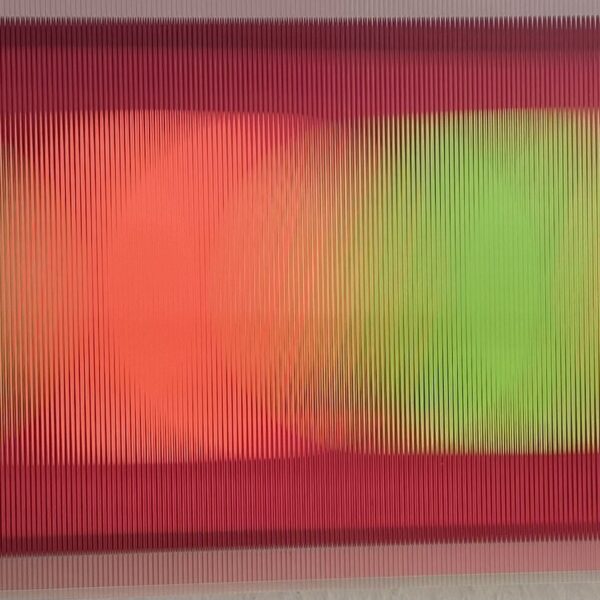
CHRISTIANE GRIMM – Vier VI
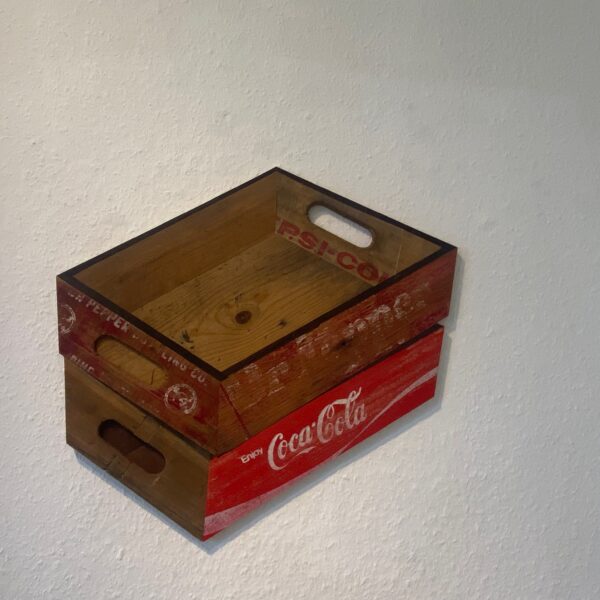
ROBERT STENG – 2 Soda Crates

KLAUS HACK – Reisealtar

KLAUS HACK – Kleine Frauen-Figur

SUSANNA TARAS – Veilchen
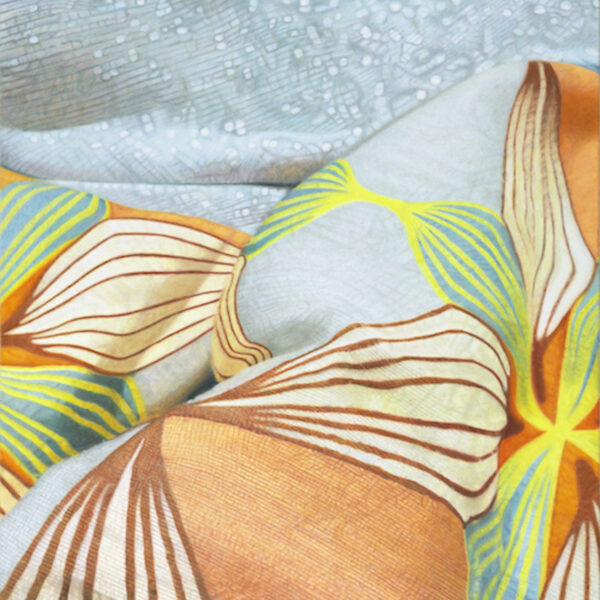
NICOLA HANKE – o. T. – 1
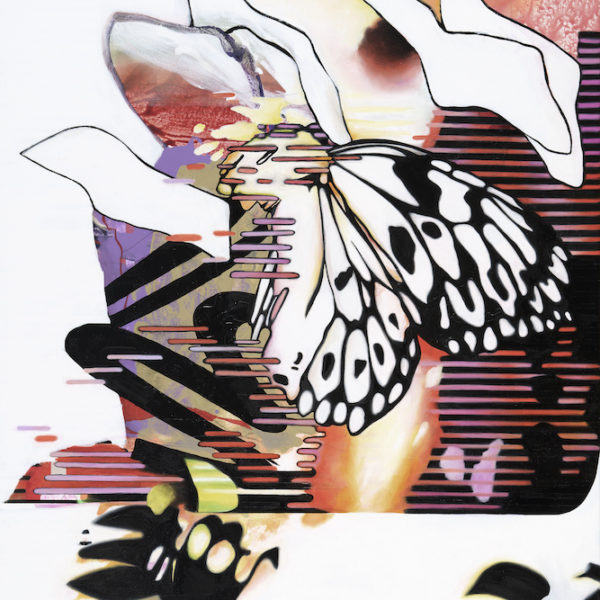
Fiona Ackerman | The Dream | 2021


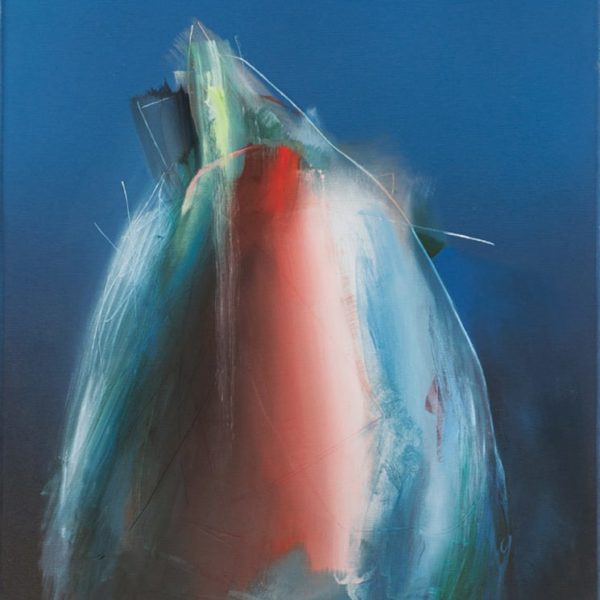
Eilike Schlenkhoff | Caballo | 2022
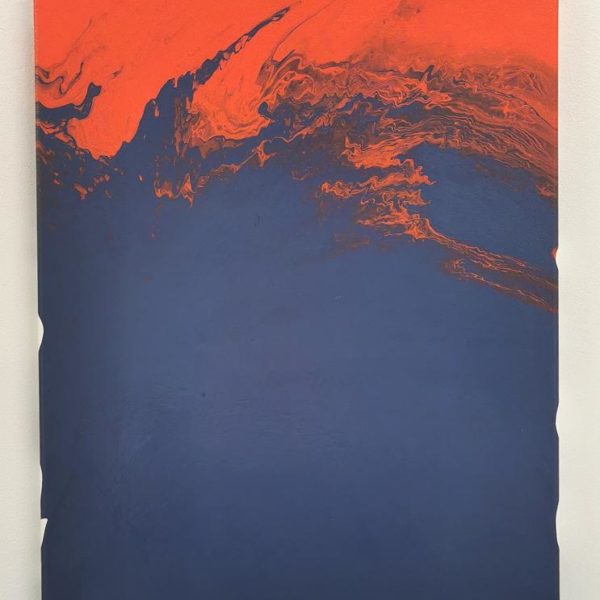


Robert Muntean | Merzbow II | 2020

Robert Muntean | Vivienne Westwood | 2021

Robert Muntean | The Body Electric II I 2021

Robert Muntean | Inside Richard Burton III I 2021
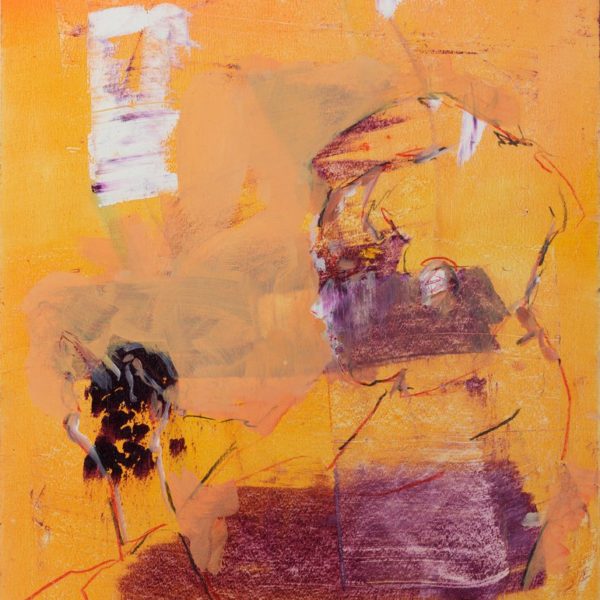
Robert Muntean | Gould I 2020
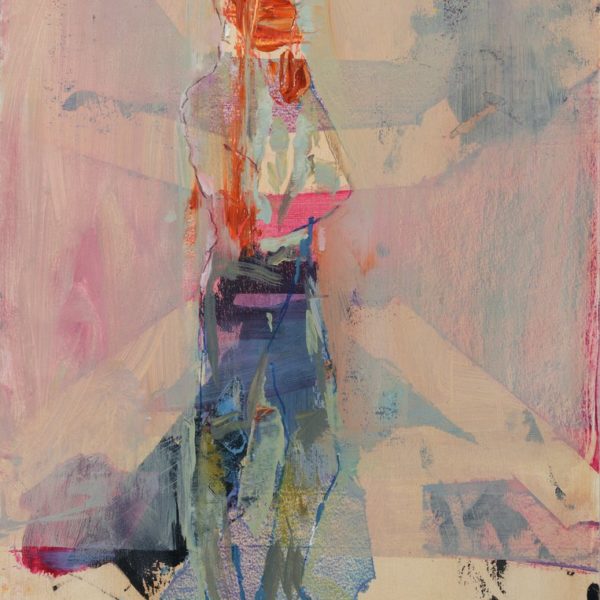
Robert Muntean | Bowie III I 2020

THOMAS HILLIG – ICC-Parkhaus_20170326_127

Konstantin Bayer | Postkartenserie | EIGENHEIM Weimar/Berlin
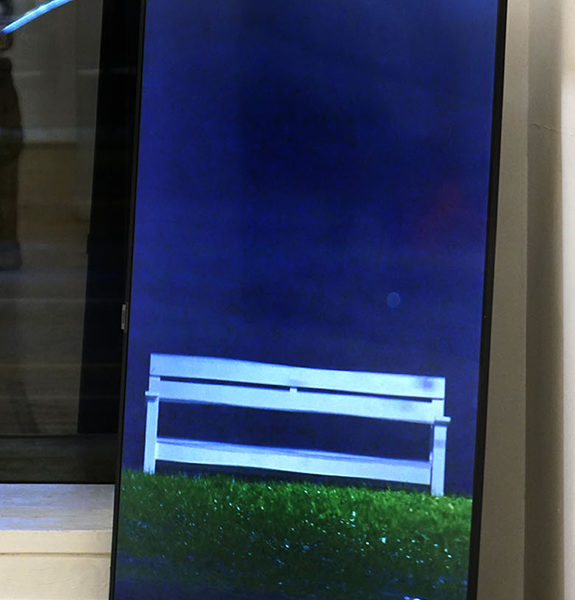
Konstantin Bayer | Bank Spiegelung Video | EIGENHEIM Weimar/Berlin

ROLAND DELEAU – Meine Helden / Françoise Masquée, 2018

DIRK SALZ – DSA/M 1053 #2756, 2022
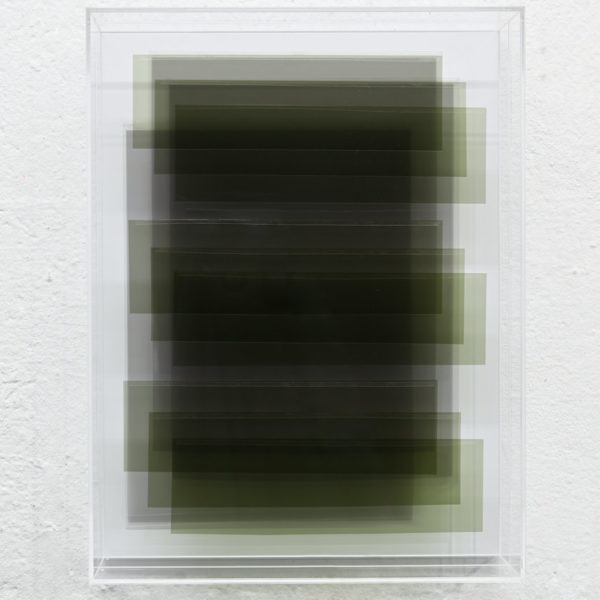
DIRK SALZ – DSA/M 1050 #2753, 2022

DIRK SALZ – DSA/M 1049 #2752, 2022
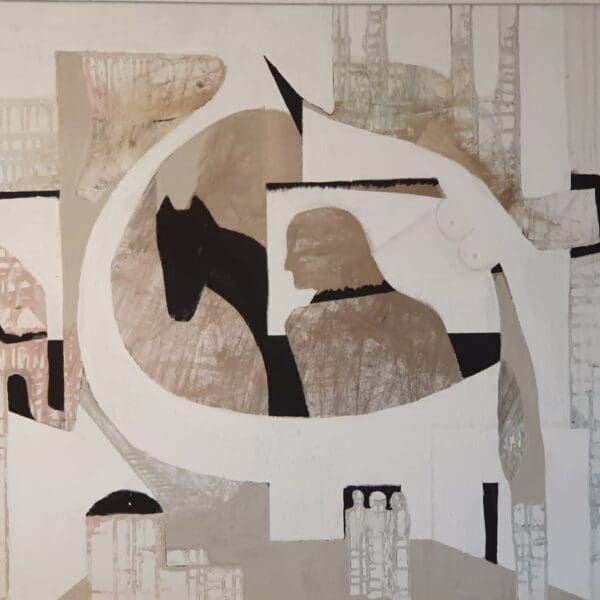
Siegfried Wonneberger | Fury | 2020
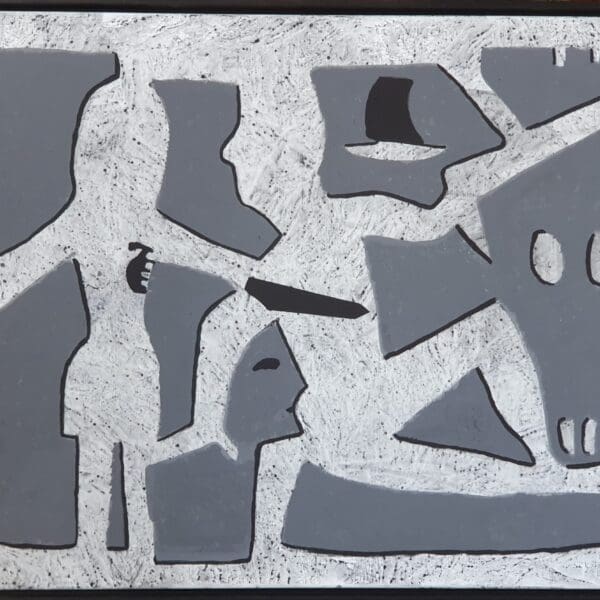
Siegfried Wonneberger | Der Irrtum | 2023
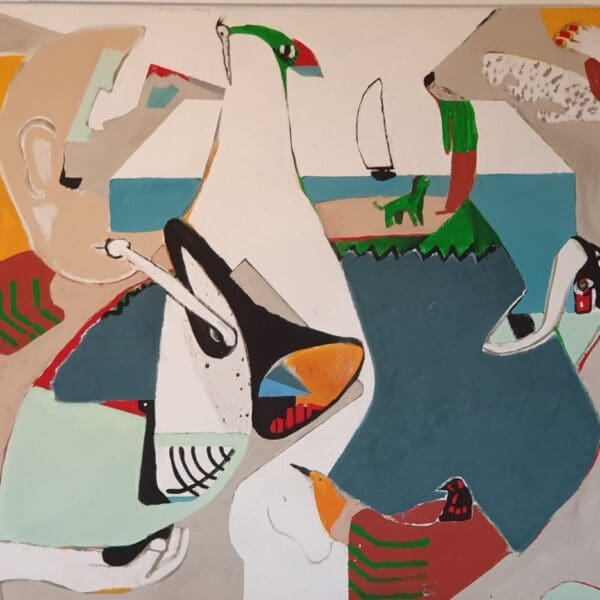


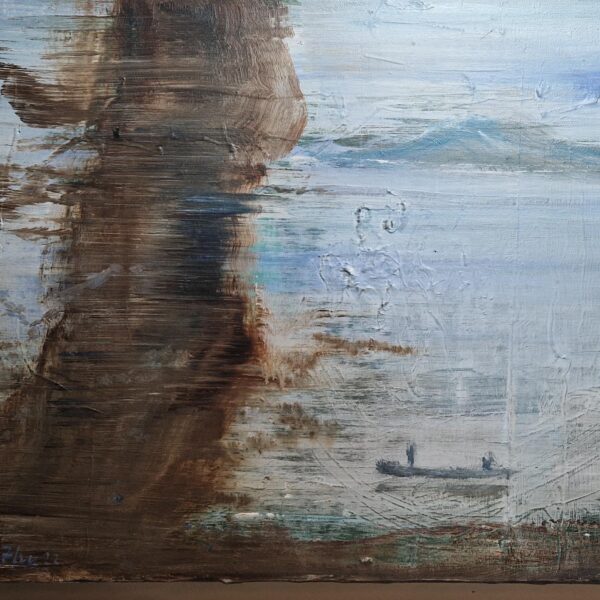
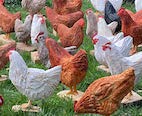
CHRISTIANE ERDMANN – Huhn (weiß oder braun)
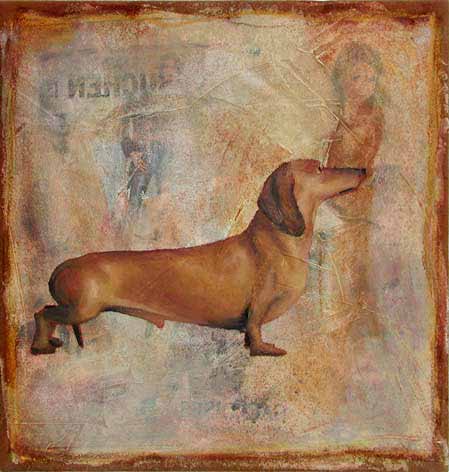
MICHAEL LAUTERJUNG – Dackel

MICHAEL LAUTERJUNG – Allein
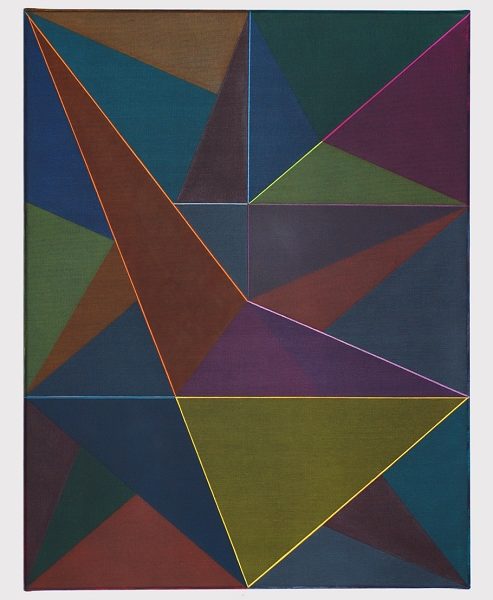


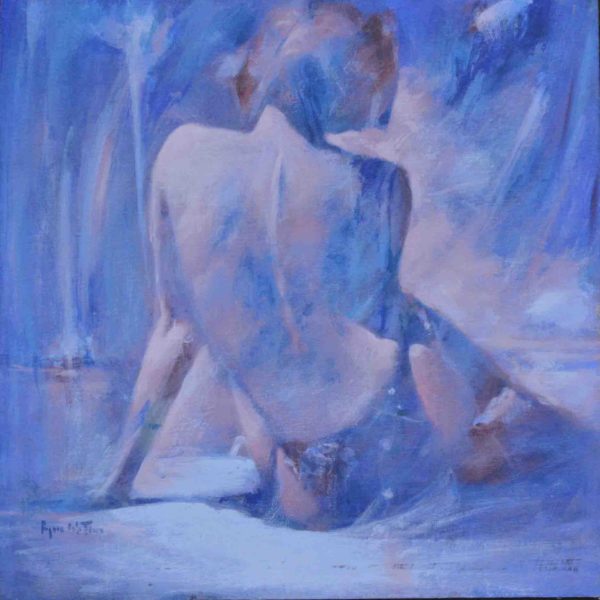
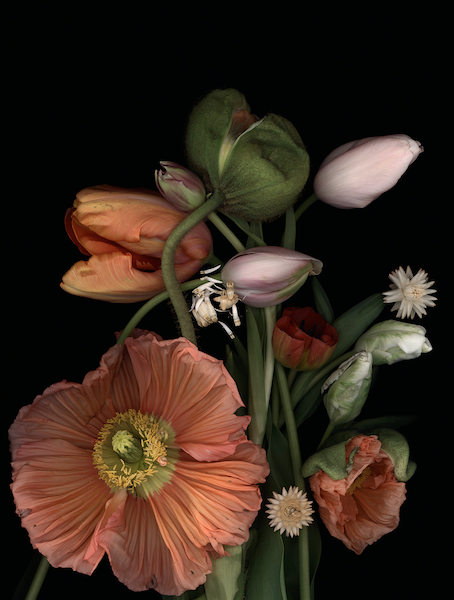
LUZIA SIMONS, Stockage 178, 2017

LUZIA SIMONS, Stockage 185, 2020
HANS SCHEIB, Serval, 2009


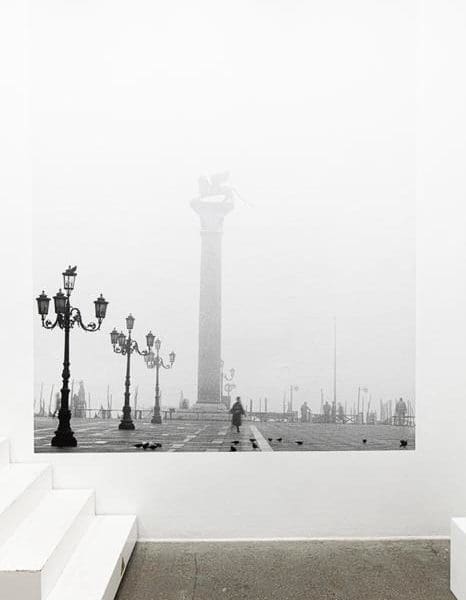

Curt Lahs, 1955

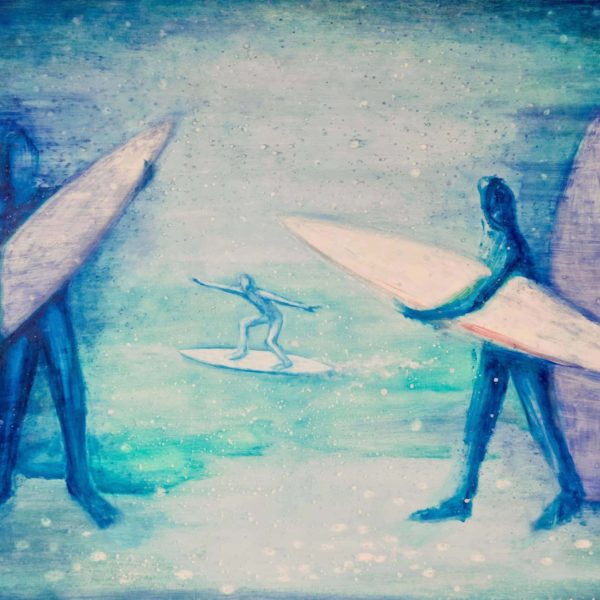

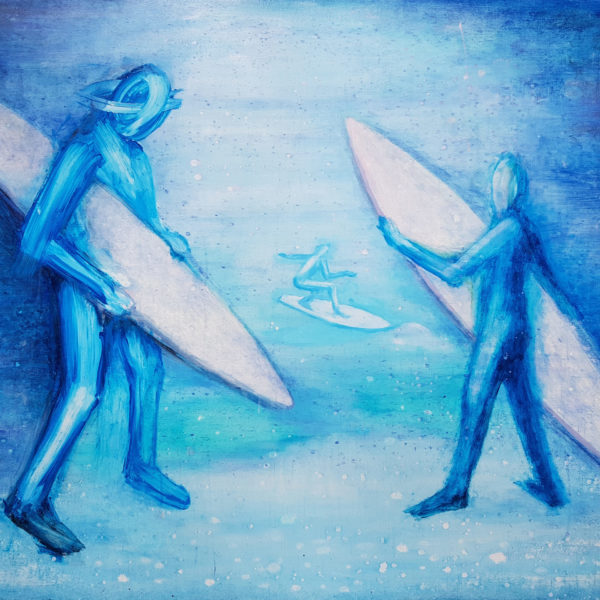

FRIEDEMANN GRIESHABER – Paar
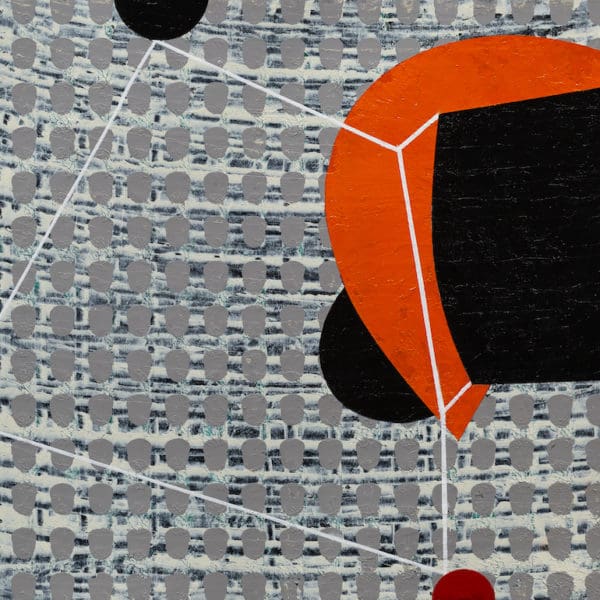
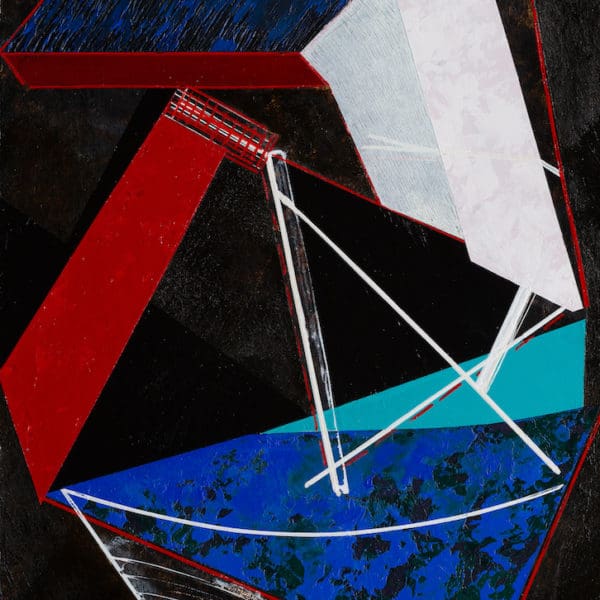
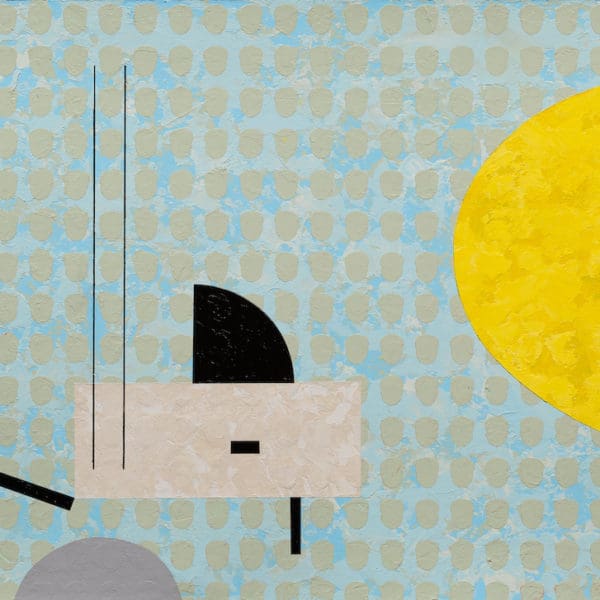
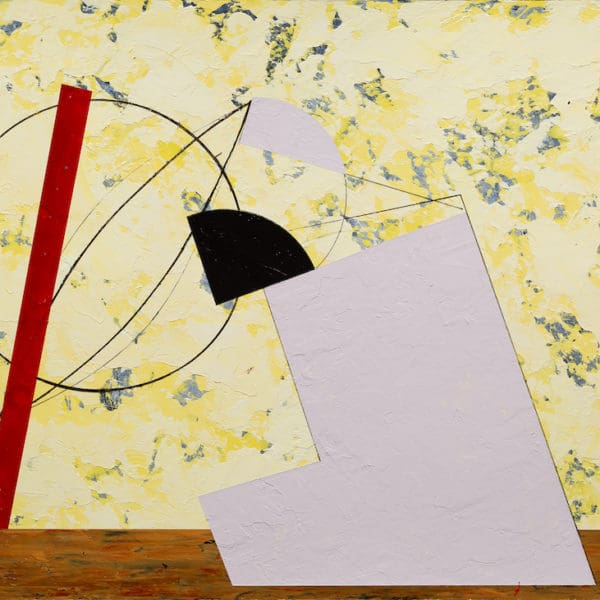
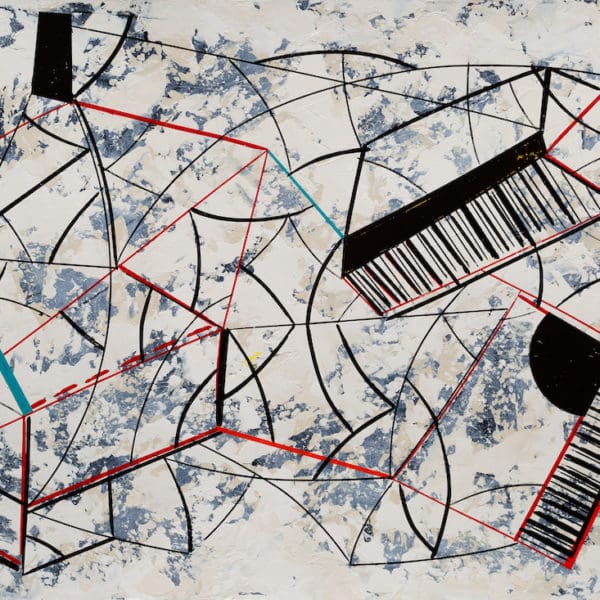
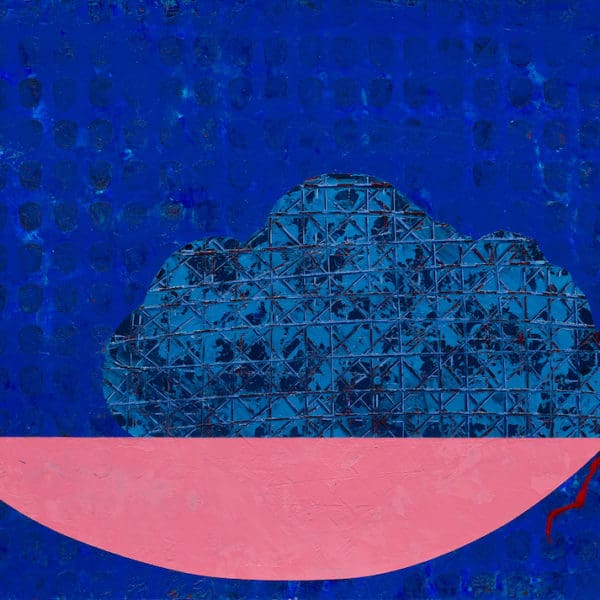
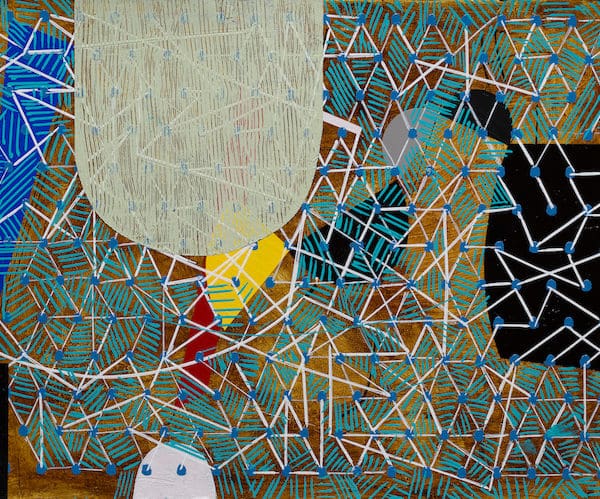
Juan Logan | Small Elegy #18
Juan Logan wurde 1946 in Nashville, Tennessee geboren und arbeitet heute in Belmont, North Carolina. in seiner seit über 30 Jahren andauernden Schaffenszeit hat er in den verschiedensten Techniken - Druckgraphik, Malerei, Skulptur und Installation - und mit unterschiedlichen Materialien wie Holz, Metall, Keramik, Leinwand und Papier gearbeitet. Er hat national und international umfangreich ausgestellt, seine Werke finden sich in zahlreichen öffentlichen und privaten Sammlungen, darunter im Whitney Museum of American Art und das Boulder Museum for Contemporary Art.
Logans Werke greifen oft Themen auf, die sich direkt mit der Situation und den Erfahrungen schwarzer Amerikaner*innen beschäftigen, andere beziehen sich auf allgemeinere menschliche Erfahrungen und verschiedene Formen des Missbrauchs und der Gewalt auf individueller, familiärer, gesellschaftlicher und allgemein menschlicher Ebene. Wie Landkarten machen sie sichtbar, wie hierarchische Beziehungen und soziale Stereotype Individuen, Institutionen und die materiellen und mentalen Landschaften des zeitgenössischen Lebens prägen. Auf diese Weise erinnern sie einerseits an Geschehnisse, die allzu gerne verdrängt werden wie z.B. die Situation flüchtender Menschen auf ihrem lebensgefährlichen Weg und markieren andererseits zugleich die Art und Weise, wie diese Geschehnisse wahrgenommen, dokumentiert und erinnert werden. Die Schwere der Themen steht in scharfem Kontrast zur Schönheit und ästhetischen Ausstrahlung in der Gestaltung wie im Gebrauch des Materials, Diamantsplitter funkeln in dem, was ein Tropfen Blut, eine Träne oder auch eine offene Wunde sein könnte (Elegy LIV). Die "Elegy"- Serie beschäftigt sich mit dem komplexen Zeiträumen zwischen Gedächtnis und Geschehen. Damit Geschehen zu Geschichte wird, muss es als Erinnerung bewahrt werden. Darauf weisen Elegien hin, sie sind sichtbare Fragmente dessen, was bleibt. Auf diese Weise werden in Juan Logans Bildern menschliche Erfahrungen zu bestimmten Farben, Formen oder Linien als Chiffren für Orte, Personen und Dinge in der Erinnerung. Sie fordern uns dazu auf, sie zu ergänzen und dessen zu gedenken, was einmal vollständig war.
Juan Logan was born in Nashville, Tennessee in 1946 and now works in Belmont, North Carolina. In his creative period, which has lasted for more than 30 years, he has worked in a wide variety of techniques - printmaking, painting, sculpture and installation - and with different materials such as wood, metal, ceramics, canvas and paper. He has exhibited extensively nationally and internationally, and his work is included in numerous public and private collections like the Philadelphia Museum of Art, the Baltimore Museum of Art, the Whitney Museum of American art and the Boulder Museum of Contemporary Art.A part of Logan´s works addresses issues that directly focus on the situation and experience of Black Americans, others relate to human experience as a whole and various forms of abuse and violence at the individual, family, societal and general human level. Like maps these works make visible how hierarchical relationships and social stereotypes shape and leave their imprint on individuals, groups and institutions. The material and mental landscapes of contemporary life become visible. Thus, on the one hand, these works call to memory events that are too easily suppressed, like e.g. the situation of fleeing people on their life-threatening journey. On the other hand they mark the way in which these events are perceived, documented and remembered. In many of the works the seriousness of these issues contrasts sharply with the beauty and aesthetic radiance of the design as well as the use of material like in Elegy LIV: diamond dust sparkles in what may be a drop of blood, a tear or even an open wound. The "Elegy" series deals with the complex relation between memory and incidents. Before these become historical events, they must be preserved as memories. Elegies point to this, they are visible fragments of what remains. Thus, in Juan Logan's paintings human experience is transformed into specific colors, shapes or lines as ciphers representing places, people and things in memory. Thus we are challenged to see the whole and commemorate what was once complete.

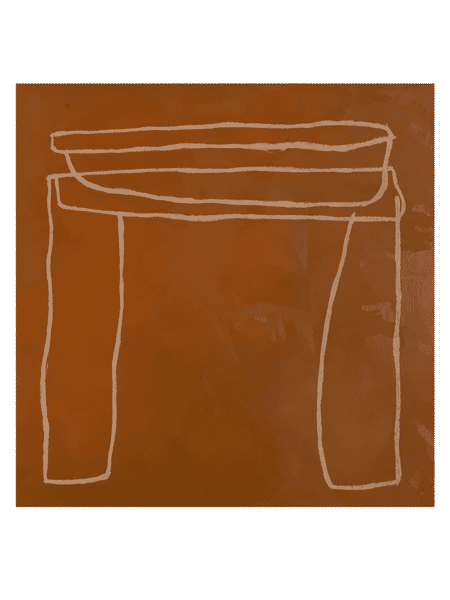
Anna Tunikova | Cave | 2021


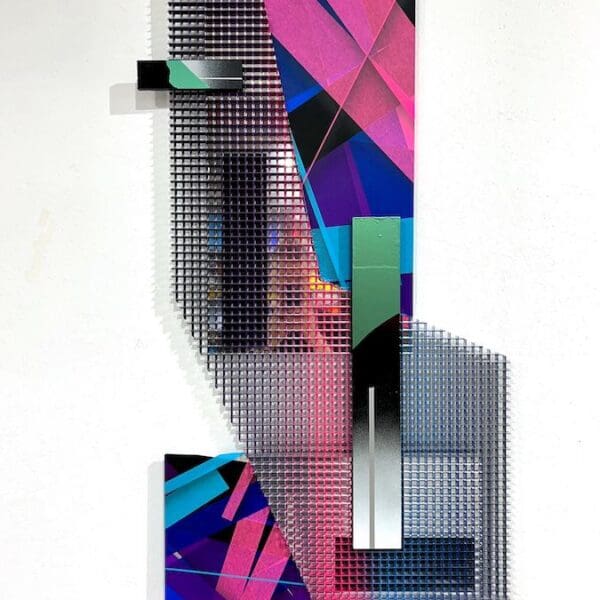

HELGE HOMMES & SAXANA – Der Schrei von Ma(h)nheim

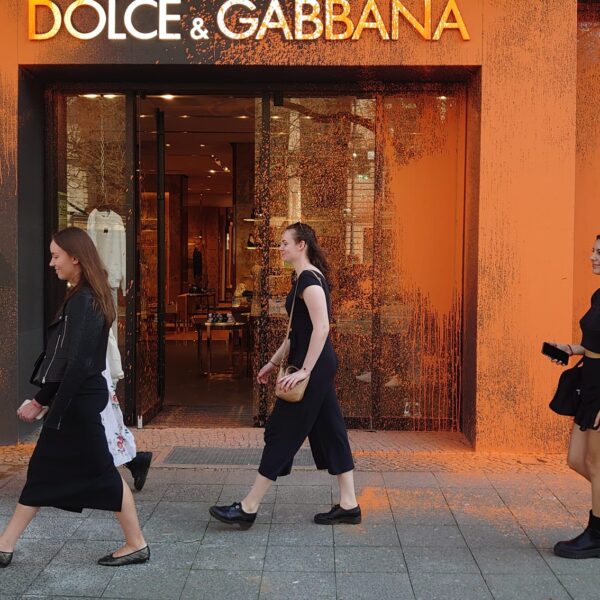


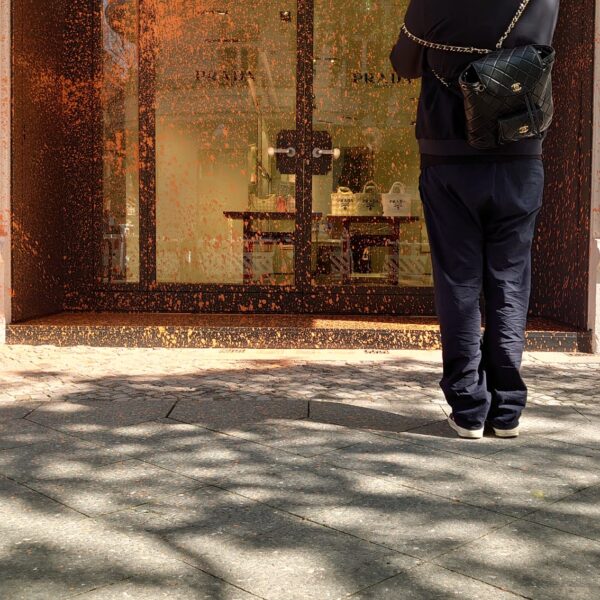
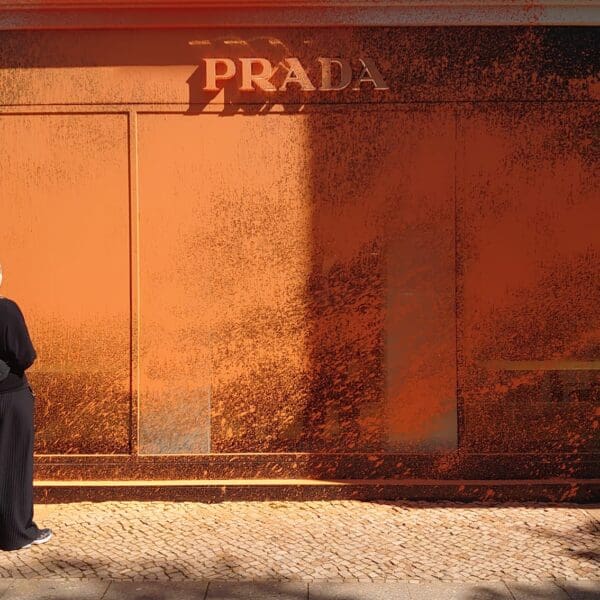


POUL R. WEILE – Girls at ease #88

POUL R. WEILE – Girls at ease #44

POUL R. WEILE – Girls at ease #77

HELGE HOMMES – Waldesruh (Werkgruppe Fichte/Tanne)

KLAUS HACK – Stehende Figur

SUSANNA TARAS – Papageientulpe
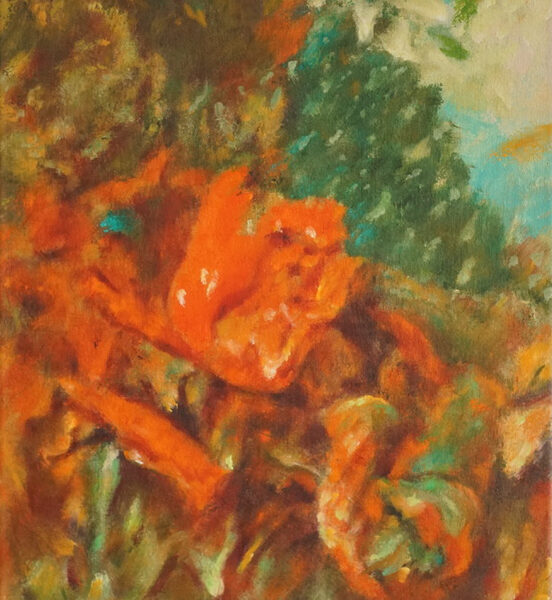
JÜRGEN DURNER – Echtorange
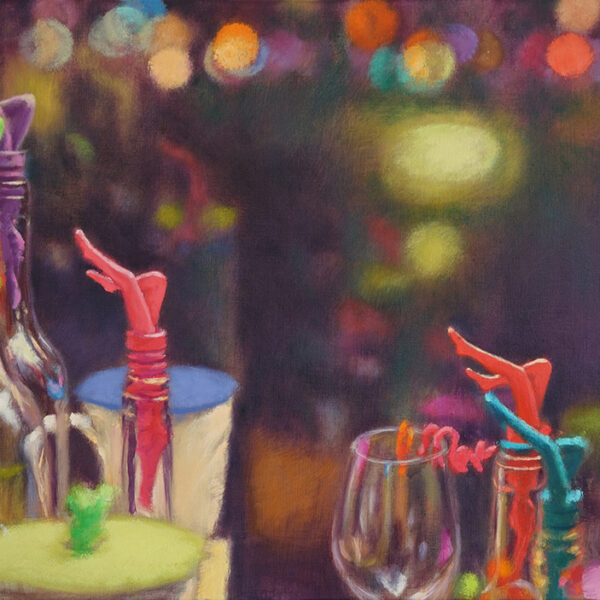
JÜRGEN DURNER – Multiples

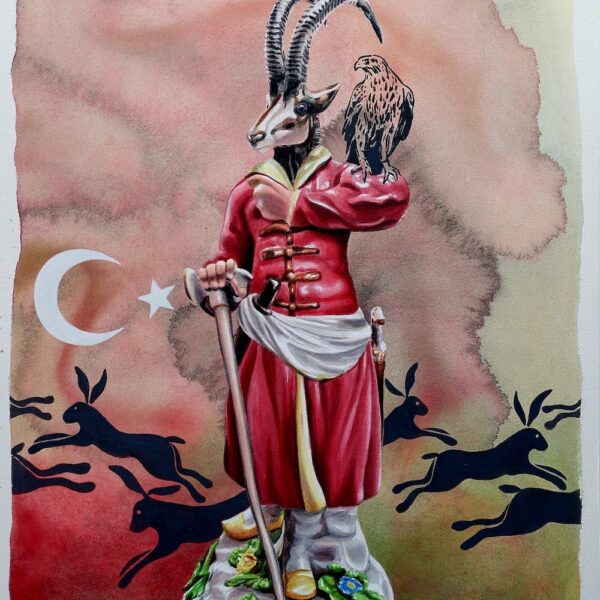
ANDREAS AMRHEIN – The Falconer

ANDREAS AMRHEIN – The Fairy Princess

ANDREAS AMRHEIN – Der Landkartenverkäufer

ANDREAS AMRHEIN – Mandarin Music