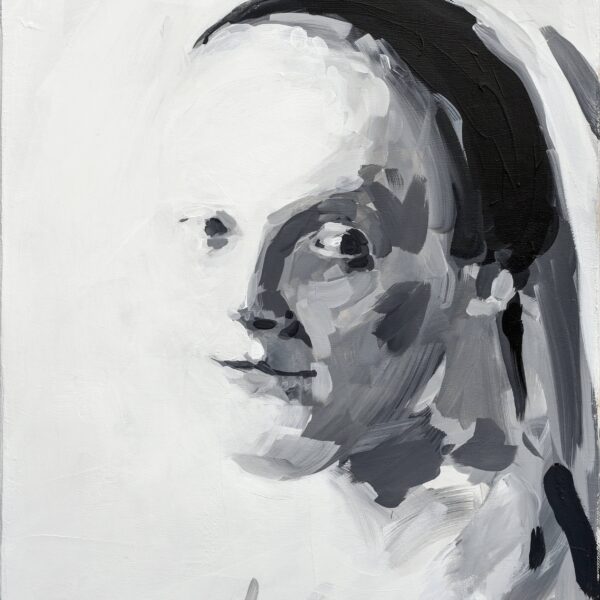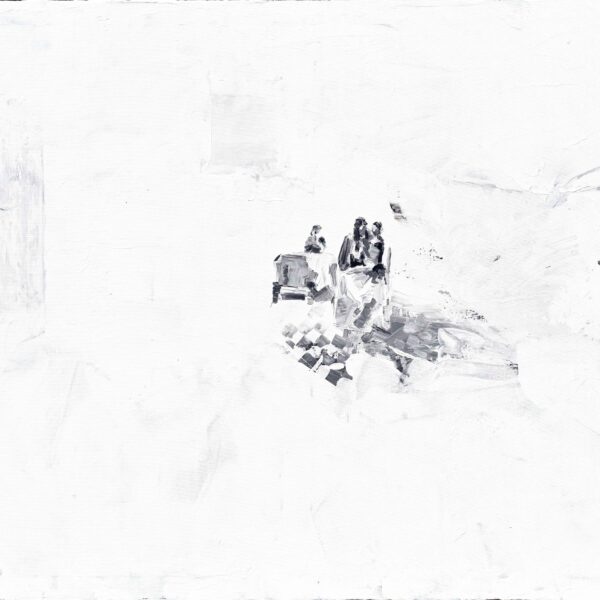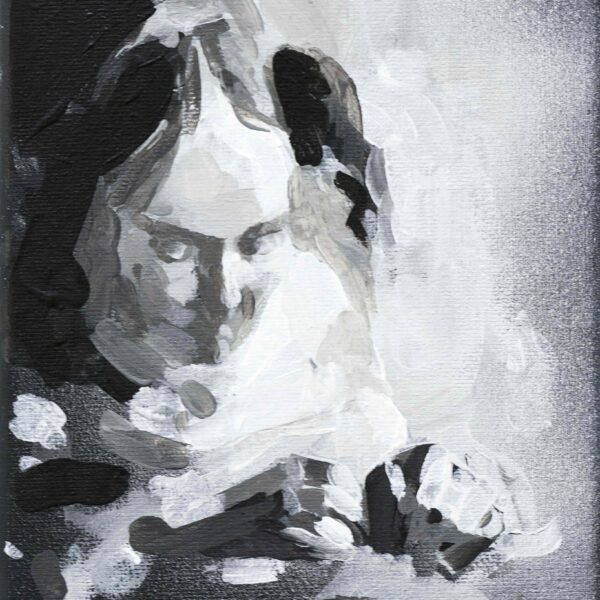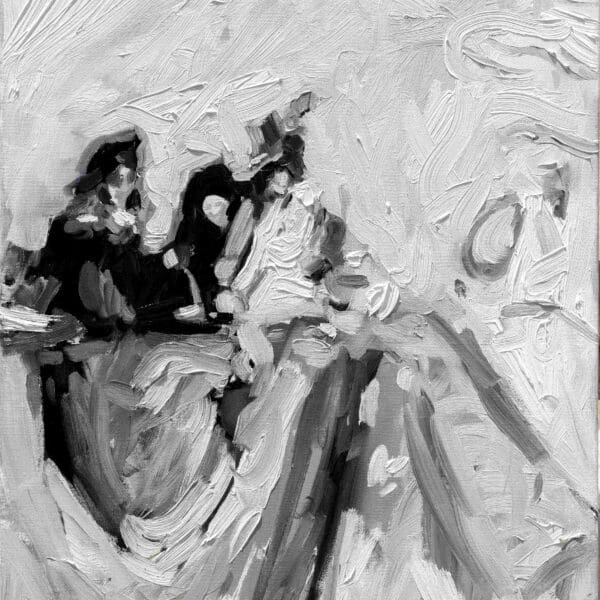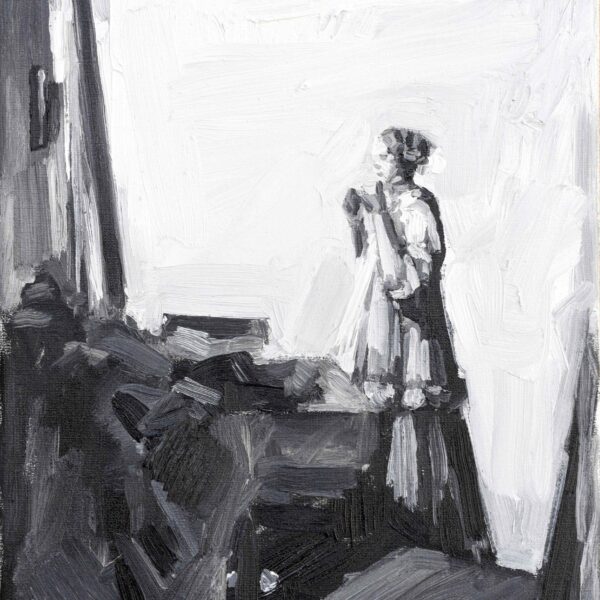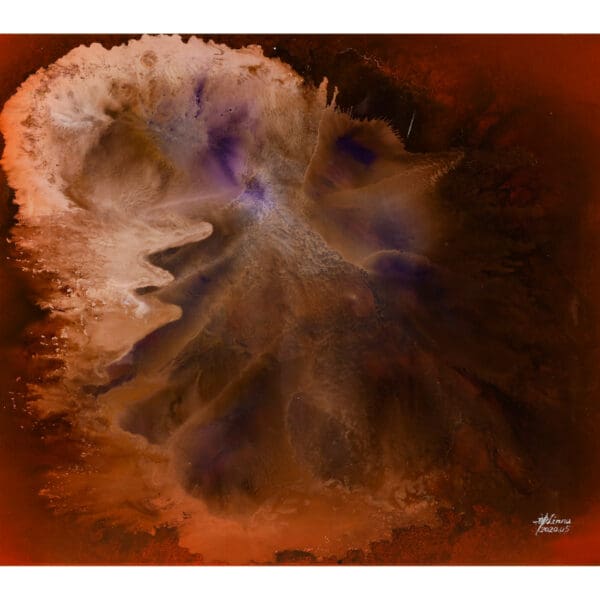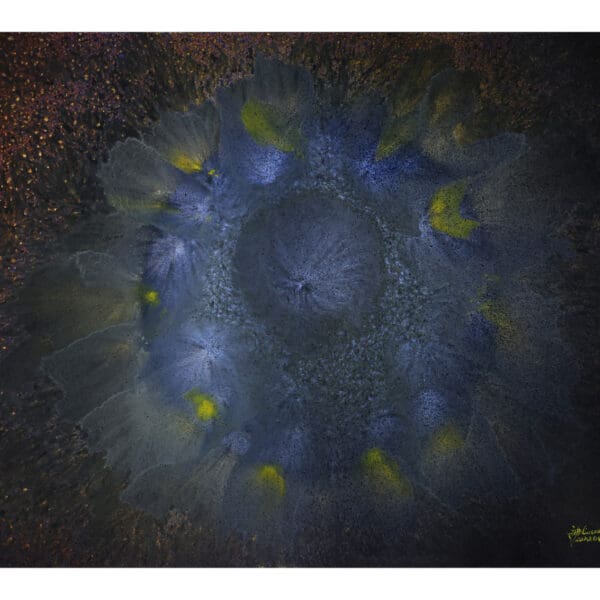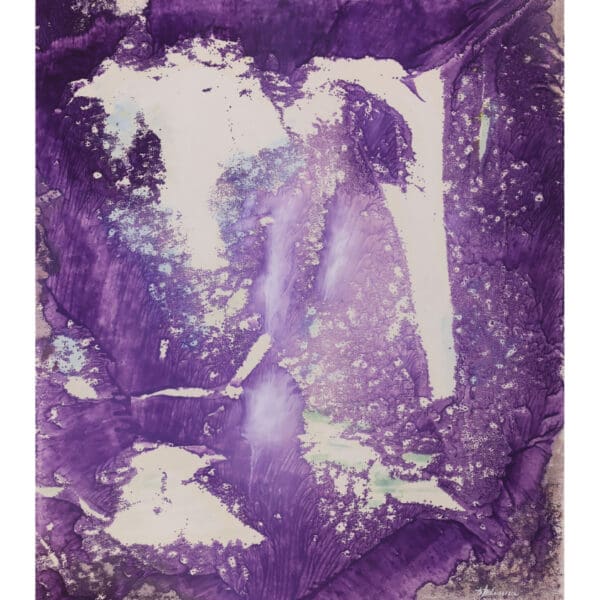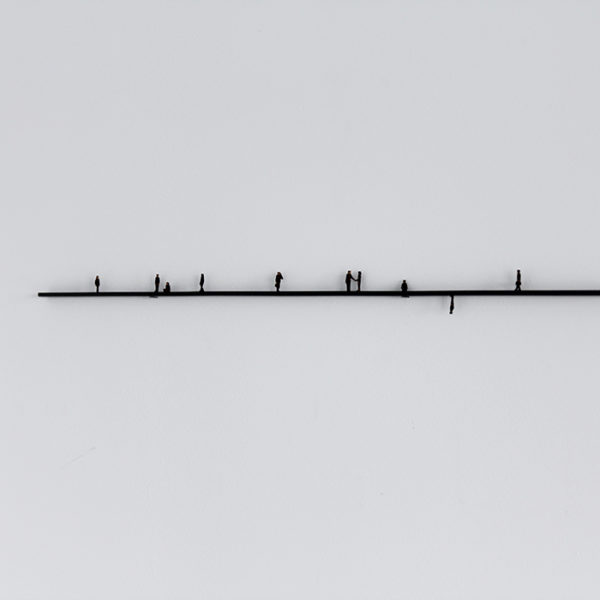






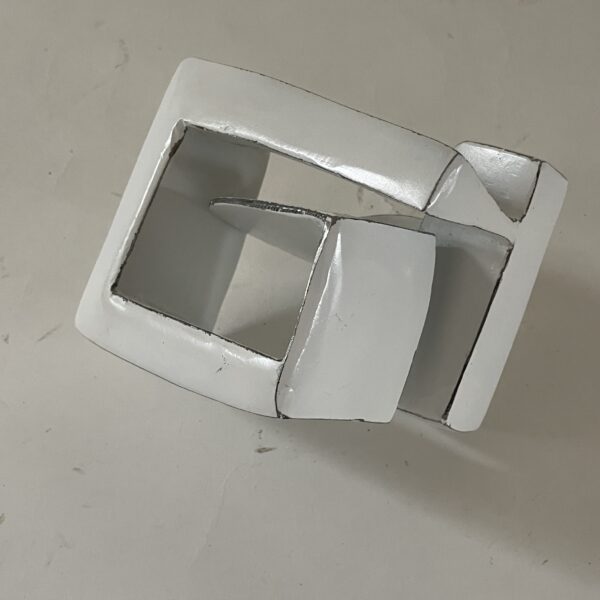
JÖRG BACH – Bleibe | 25

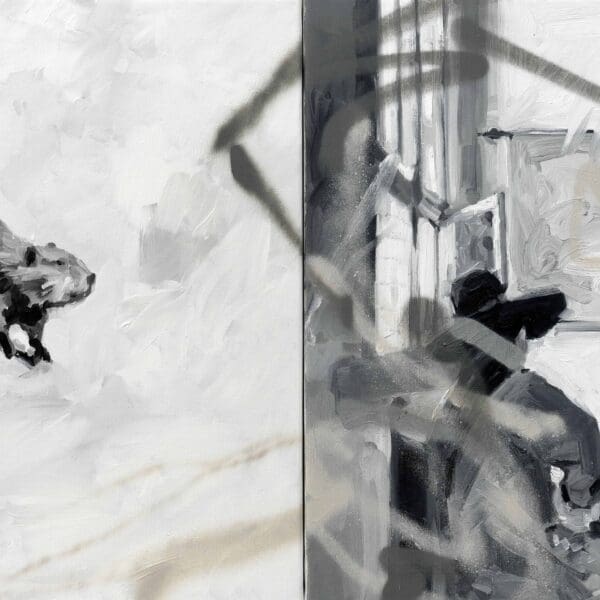
JÖRG BACH – Bleibe | 28
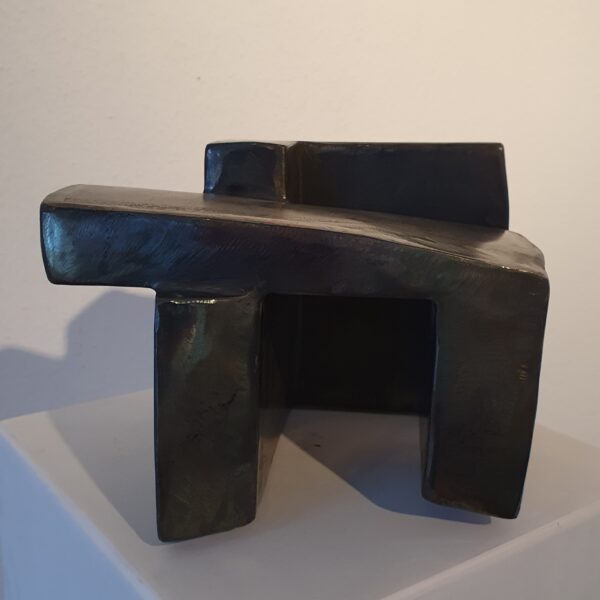
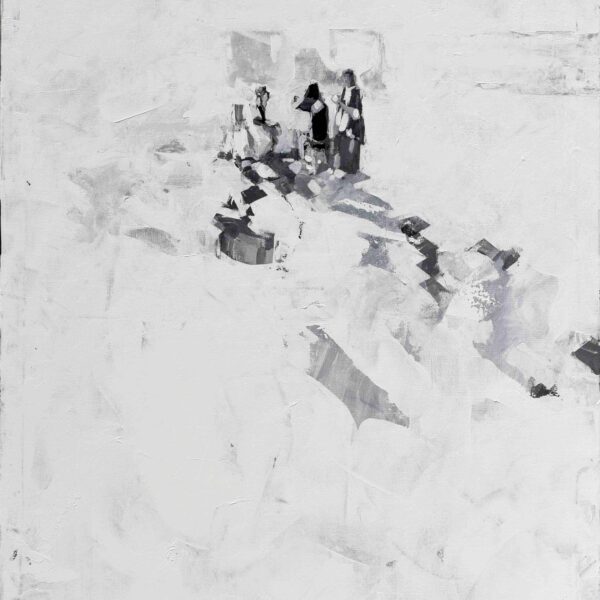
JÖRG BACH – Bleibe | 33
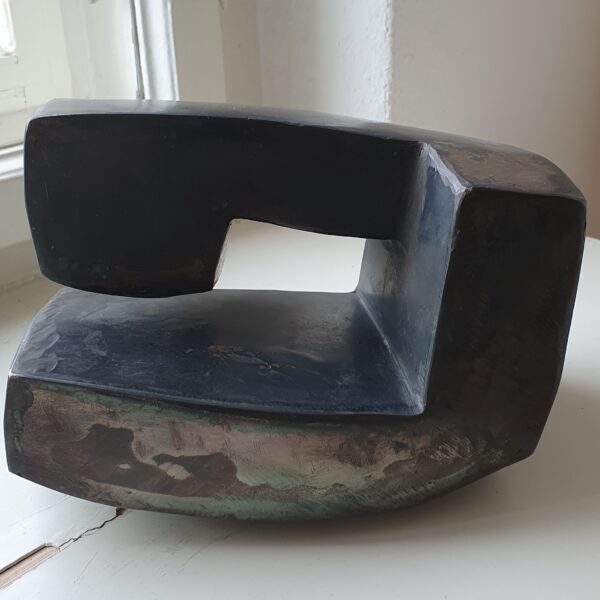
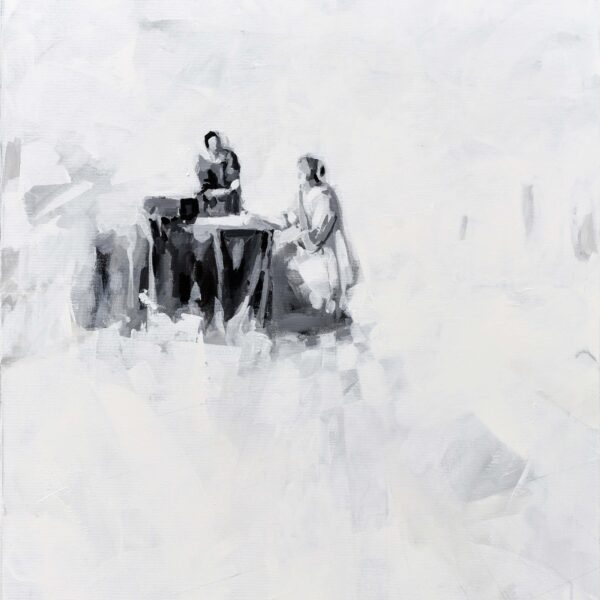
JÖRG BACH – Bleibe | 42
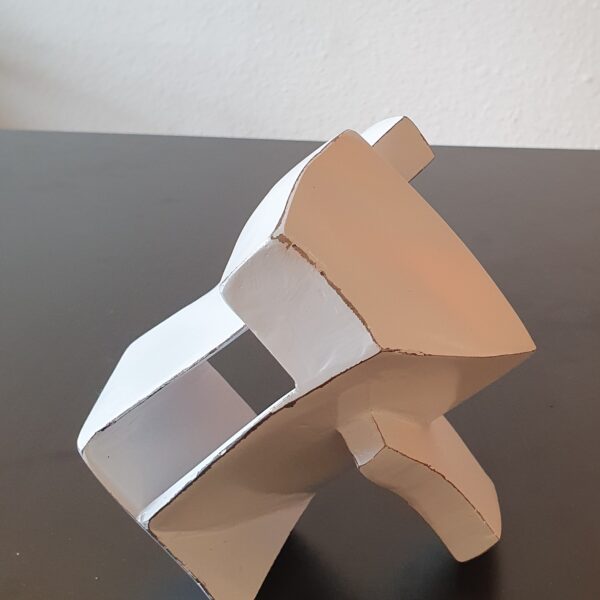
JÖRG BACH – Bleibe | 5
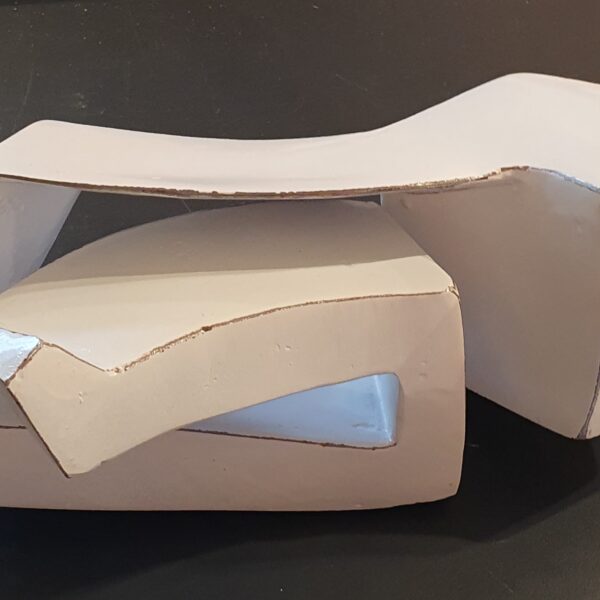
JÖRG BACH – Bleibe | 6

JÖRG BACH – Bleibe | 8

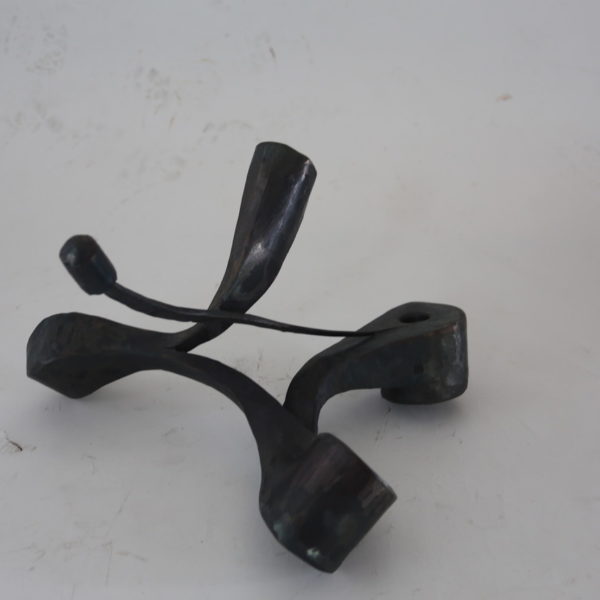
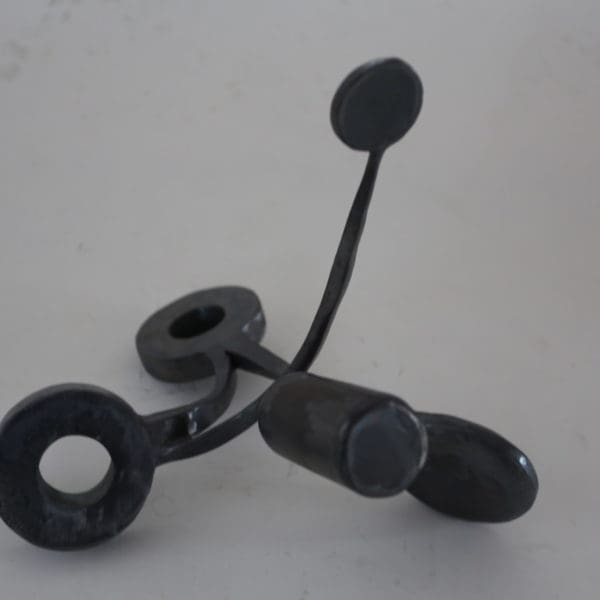

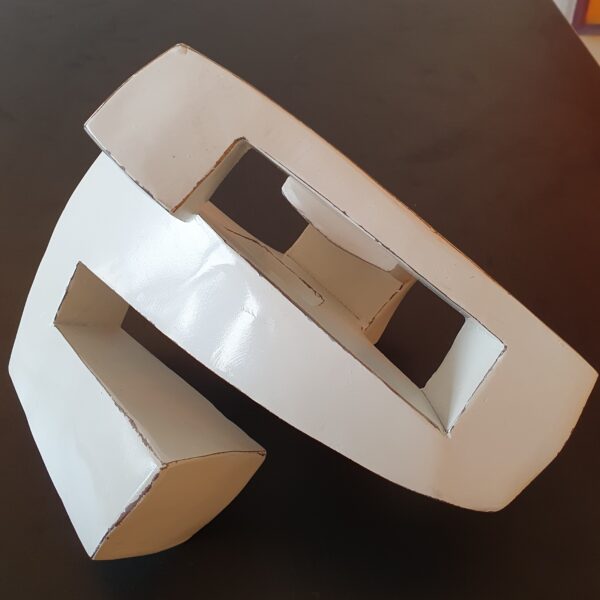
JÖRG BACH – Höhlenblock | 10
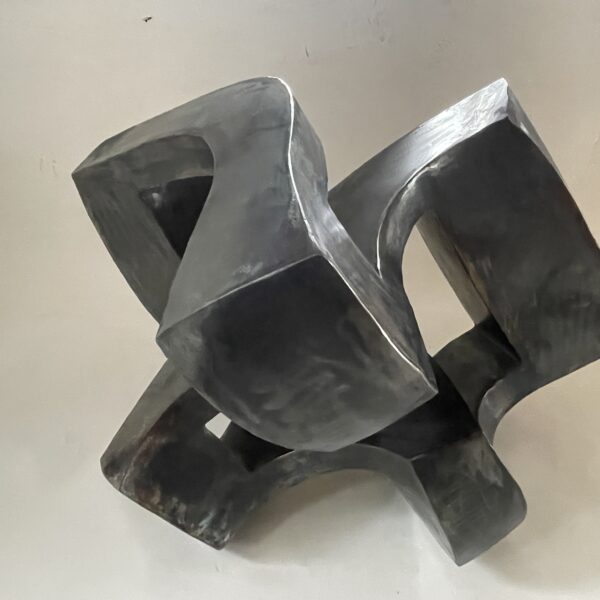
JÖRG BACH – Höhlenblock | 26
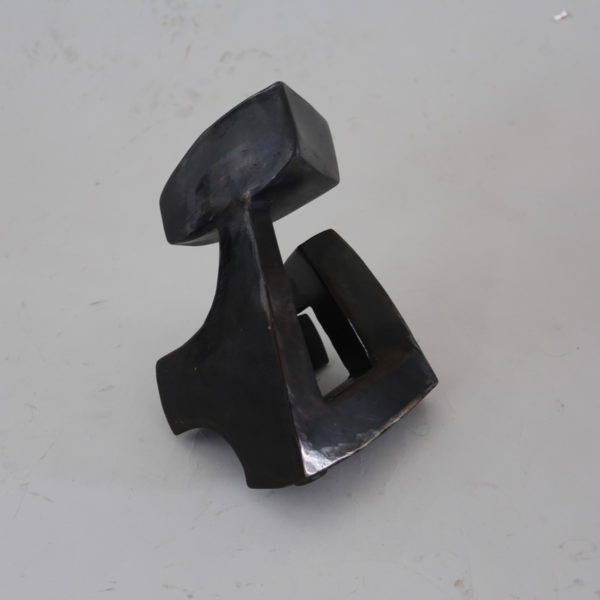


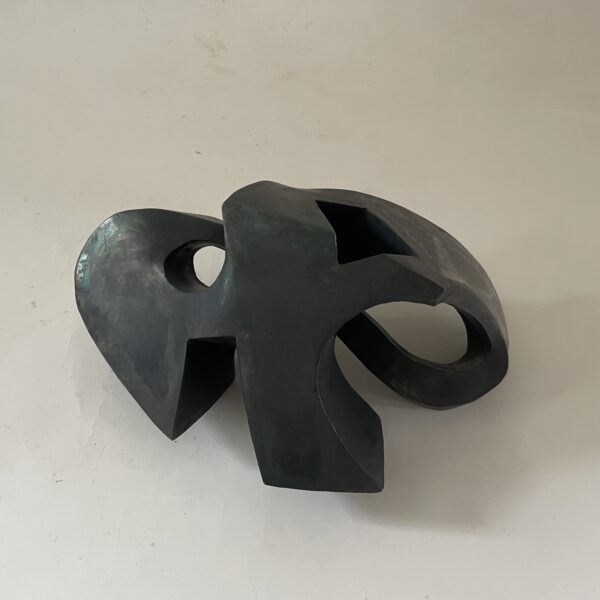
JÖRG BACH – Neuland | 12


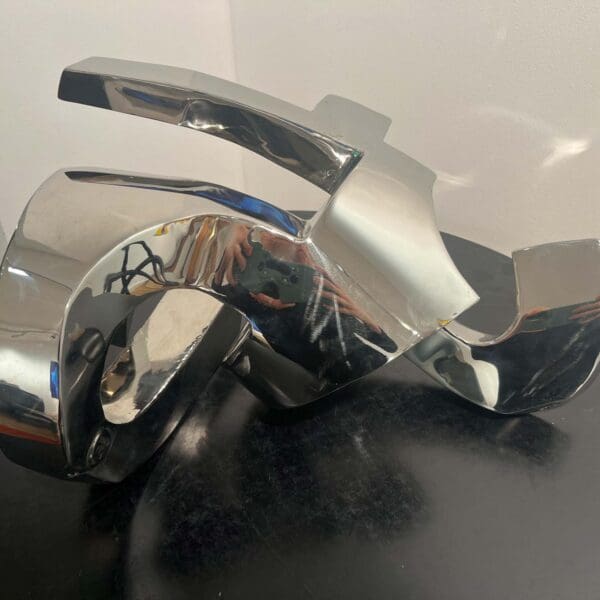


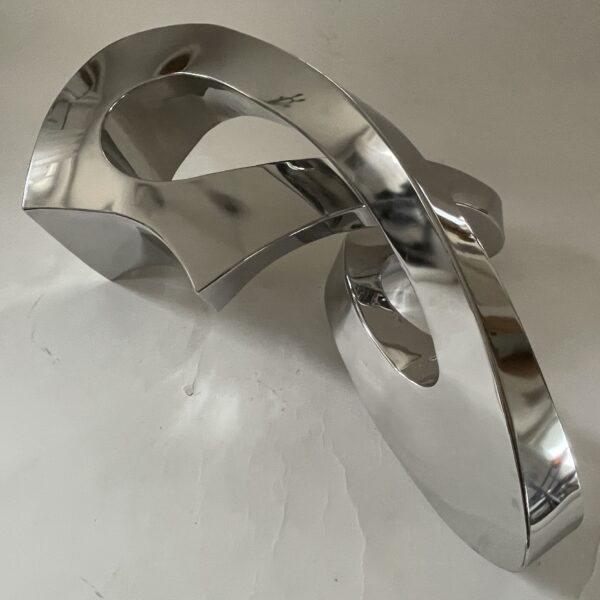
JÖRG BACH – Reflektor | 1


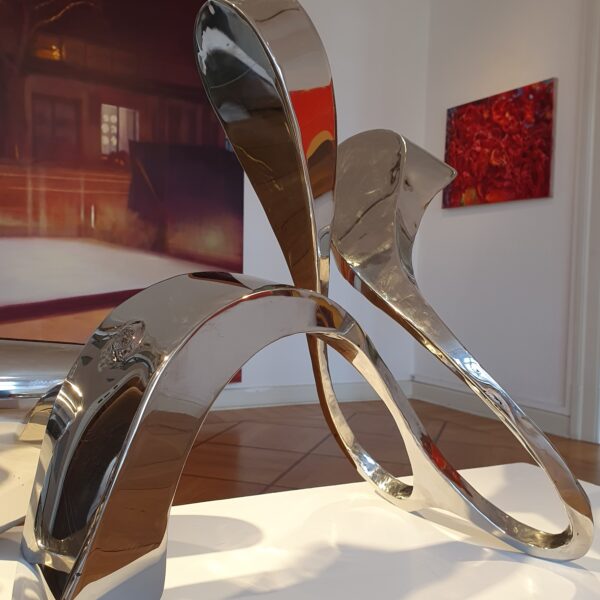
JÖRG BACH – Wasserspiel | 36
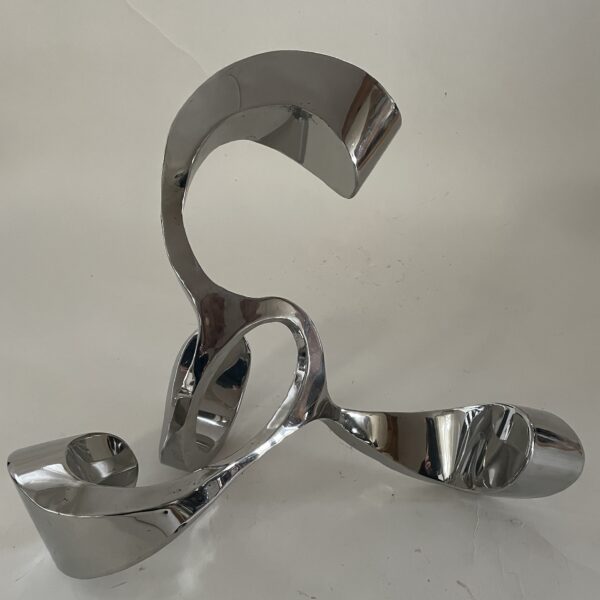
JÖRG BACH – Wasserspiel | 37

JÖRG BACH – Zankapfel | 39

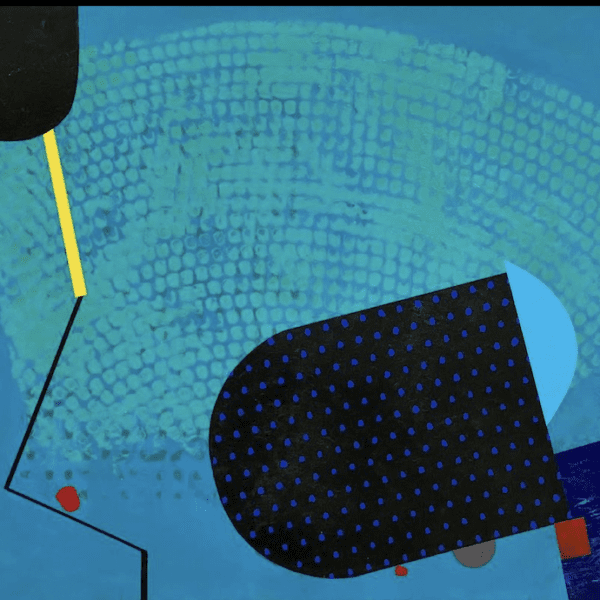

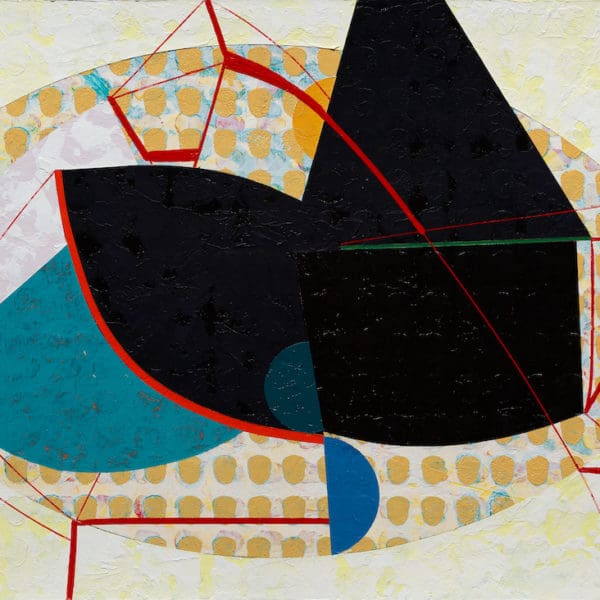
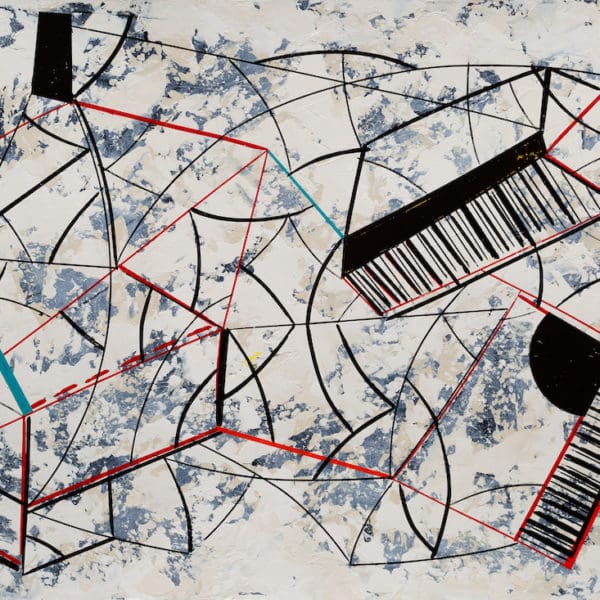
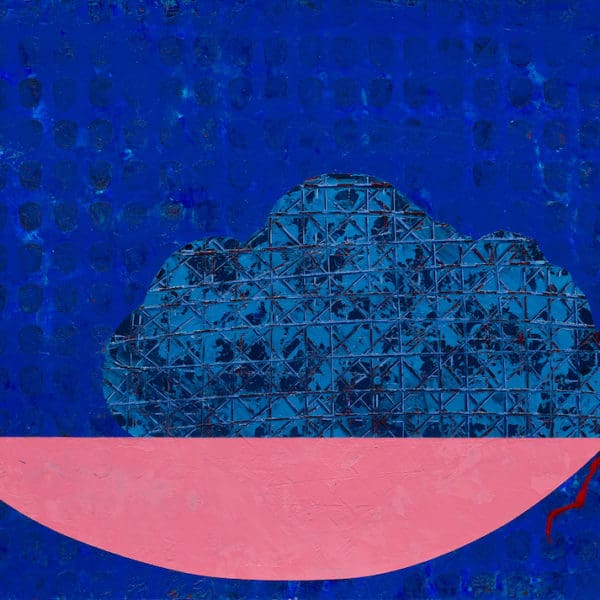
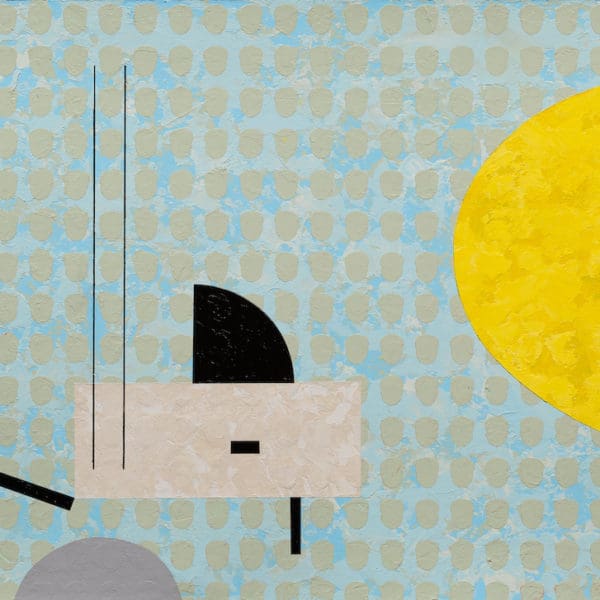
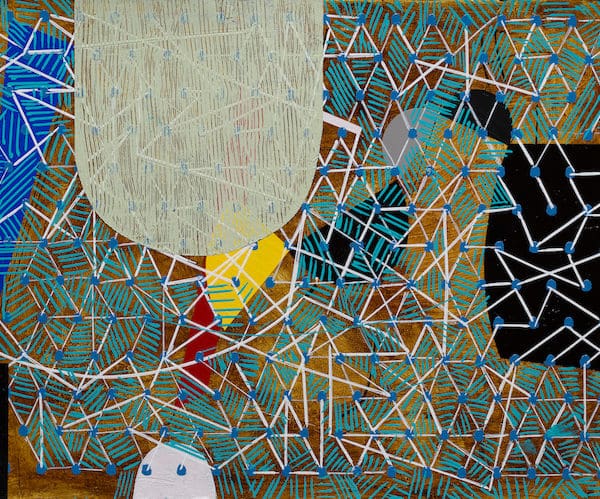
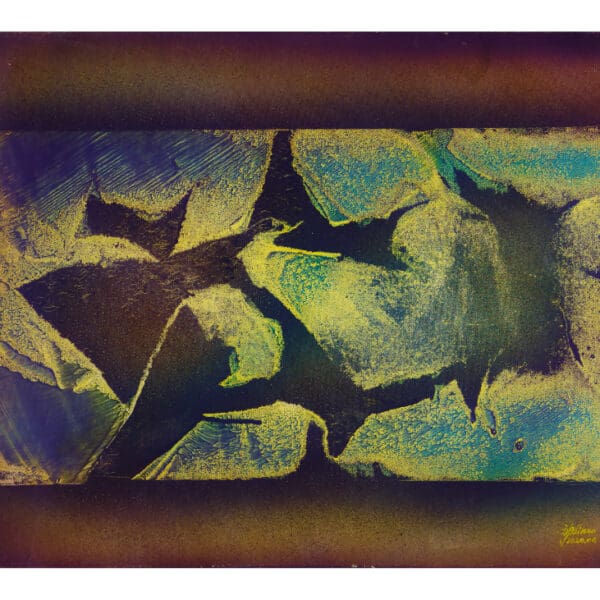
Juan Logan | Small Elegy #18
Juan Logan wurde 1946 in Nashville, Tennessee geboren und arbeitet heute in Belmont, North Carolina. in seiner seit über 30 Jahren andauernden Schaffenszeit hat er in den verschiedensten Techniken - Druckgraphik, Malerei, Skulptur und Installation - und mit unterschiedlichen Materialien wie Holz, Metall, Keramik, Leinwand und Papier gearbeitet. Er hat national und international umfangreich ausgestellt, seine Werke finden sich in zahlreichen öffentlichen und privaten Sammlungen, darunter im Whitney Museum of American Art und das Boulder Museum for Contemporary Art.
Logans Werke greifen oft Themen auf, die sich direkt mit der Situation und den Erfahrungen schwarzer Amerikaner*innen beschäftigen, andere beziehen sich auf allgemeinere menschliche Erfahrungen und verschiedene Formen des Missbrauchs und der Gewalt auf individueller, familiärer, gesellschaftlicher und allgemein menschlicher Ebene. Wie Landkarten machen sie sichtbar, wie hierarchische Beziehungen und soziale Stereotype Individuen, Institutionen und die materiellen und mentalen Landschaften des zeitgenössischen Lebens prägen. Auf diese Weise erinnern sie einerseits an Geschehnisse, die allzu gerne verdrängt werden wie z.B. die Situation flüchtender Menschen auf ihrem lebensgefährlichen Weg und markieren andererseits zugleich die Art und Weise, wie diese Geschehnisse wahrgenommen, dokumentiert und erinnert werden. Die Schwere der Themen steht in scharfem Kontrast zur Schönheit und ästhetischen Ausstrahlung in der Gestaltung wie im Gebrauch des Materials, Diamantsplitter funkeln in dem, was ein Tropfen Blut, eine Träne oder auch eine offene Wunde sein könnte (Elegy LIV). Die "Elegy"- Serie beschäftigt sich mit dem komplexen Zeiträumen zwischen Gedächtnis und Geschehen. Damit Geschehen zu Geschichte wird, muss es als Erinnerung bewahrt werden. Darauf weisen Elegien hin, sie sind sichtbare Fragmente dessen, was bleibt. Auf diese Weise werden in Juan Logans Bildern menschliche Erfahrungen zu bestimmten Farben, Formen oder Linien als Chiffren für Orte, Personen und Dinge in der Erinnerung. Sie fordern uns dazu auf, sie zu ergänzen und dessen zu gedenken, was einmal vollständig war.
Juan Logan was born in Nashville, Tennessee in 1946 and now works in Belmont, North Carolina. In his creative period, which has lasted for more than 30 years, he has worked in a wide variety of techniques - printmaking, painting, sculpture and installation - and with different materials such as wood, metal, ceramics, canvas and paper. He has exhibited extensively nationally and internationally, and his work is included in numerous public and private collections like the Philadelphia Museum of Art, the Baltimore Museum of Art, the Whitney Museum of American art and the Boulder Museum of Contemporary Art.A part of Logan´s works addresses issues that directly focus on the situation and experience of Black Americans, others relate to human experience as a whole and various forms of abuse and violence at the individual, family, societal and general human level. Like maps these works make visible how hierarchical relationships and social stereotypes shape and leave their imprint on individuals, groups and institutions. The material and mental landscapes of contemporary life become visible. Thus, on the one hand, these works call to memory events that are too easily suppressed, like e.g. the situation of fleeing people on their life-threatening journey. On the other hand they mark the way in which these events are perceived, documented and remembered. In many of the works the seriousness of these issues contrasts sharply with the beauty and aesthetic radiance of the design as well as the use of material like in Elegy LIV: diamond dust sparkles in what may be a drop of blood, a tear or even an open wound. The "Elegy" series deals with the complex relation between memory and incidents. Before these become historical events, they must be preserved as memories. Elegies point to this, they are visible fragments of what remains. Thus, in Juan Logan's paintings human experience is transformed into specific colors, shapes or lines as ciphers representing places, people and things in memory. Thus we are challenged to see the whole and commemorate what was once complete.
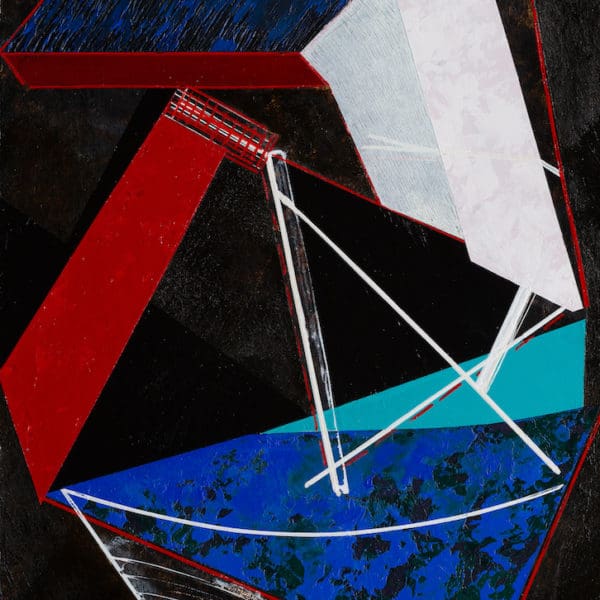
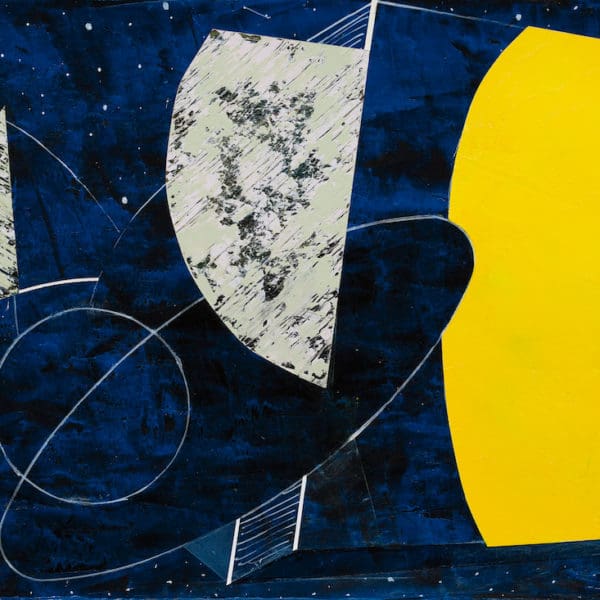
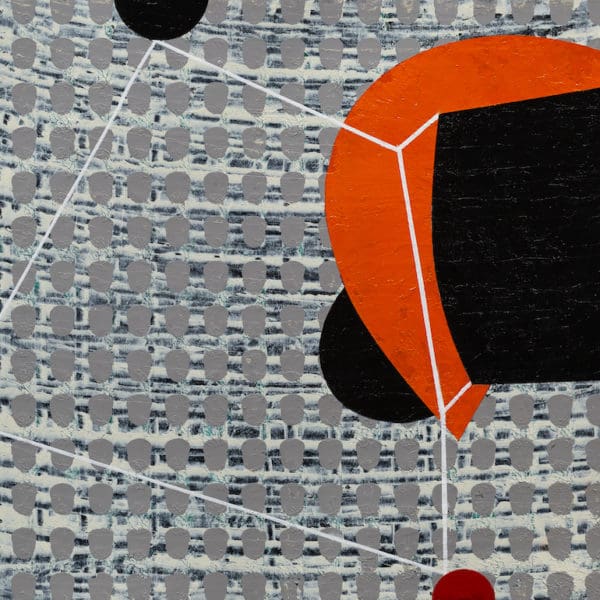
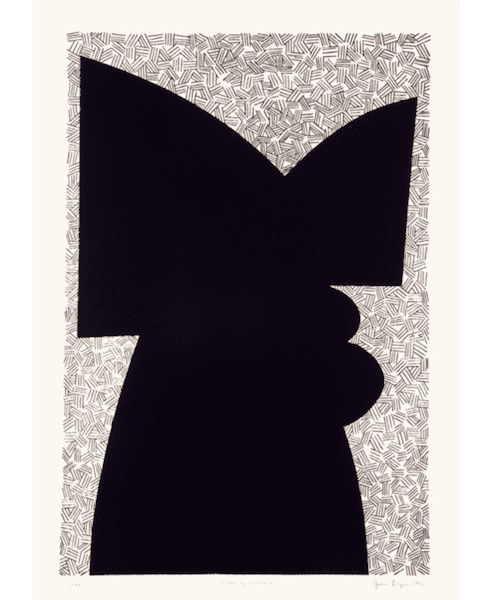

Juergen Tenz: Radierung “Nr.14” (2019)
Jürgen Tenz
“Nr.14”
2019
Etching
15 x 9cm (printing plate), 40 x 30cm (framed)
Galerie feinart berlin
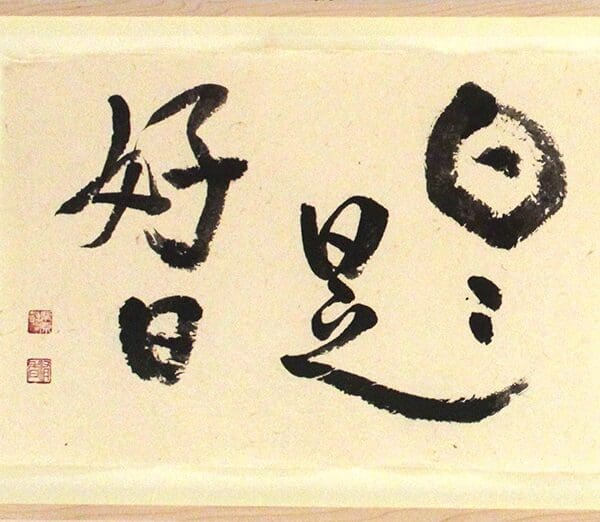

JÜRGEN DURNER – Aorta, 2022

JÜRGEN DURNER – Apple and Rose VIII

JÜRGEN DURNER – Blüten, 2022
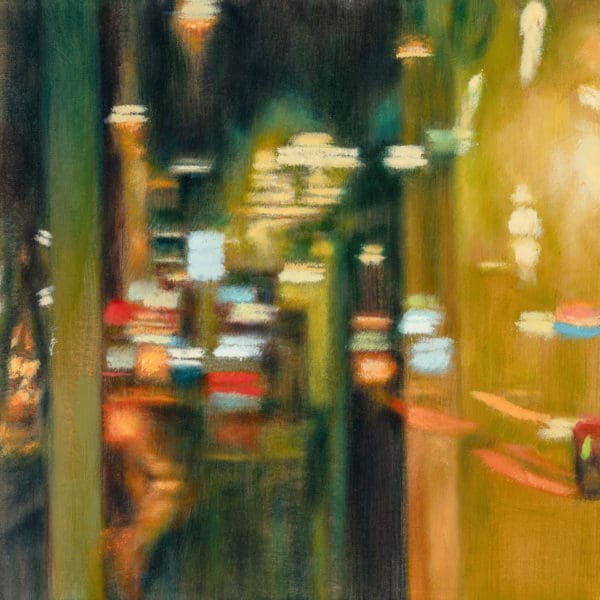
JÜRGEN DURNER – Cloud III, 2022

JÜRGEN DURNER – Delirium, 2021
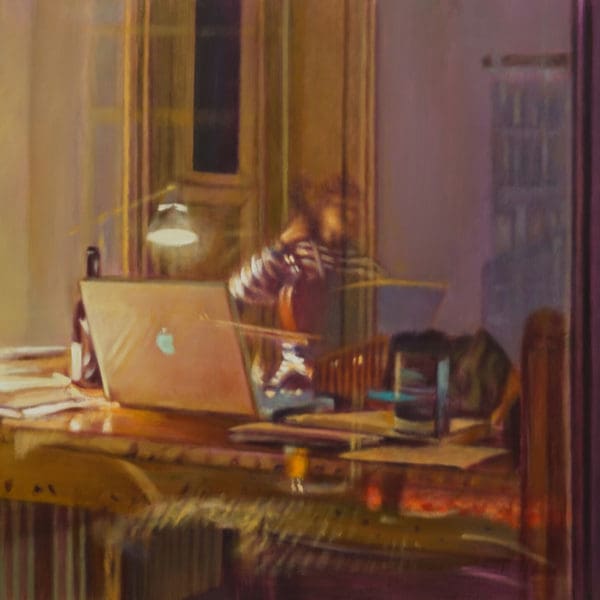
JÜRGEN DURNER – Die Cellospielerin, 2022
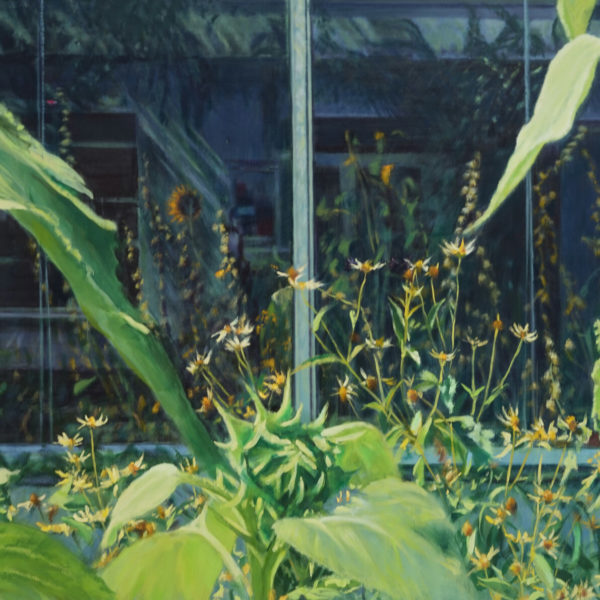
JÜRGEN DURNER – Diesseits und Jenseits, 2022
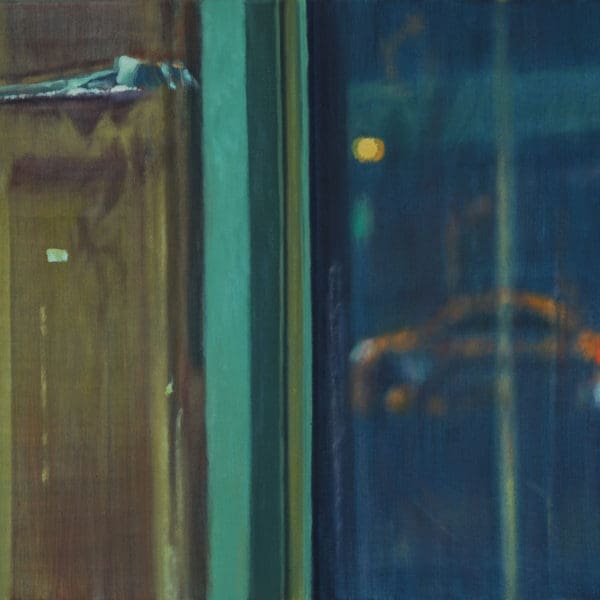
JÜRGEN DURNER – Drohne, 2021
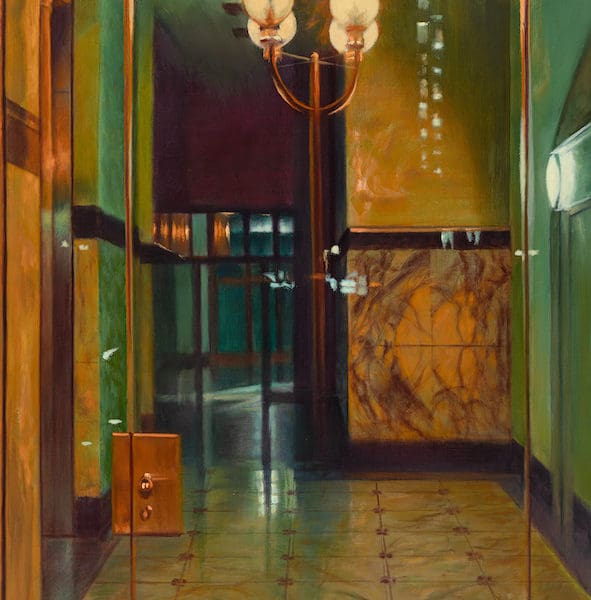
JÜRGEN DURNER – Entrée de verre, 2022
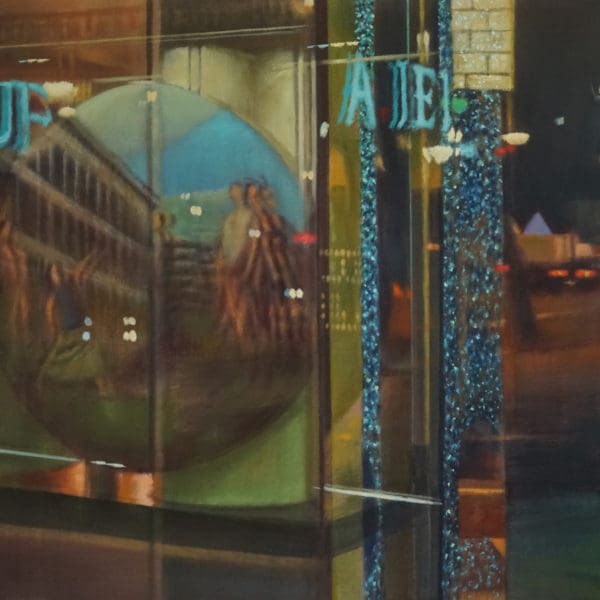
JÜRGEN DURNER – Glücksblase, 2022

JÜRGEN DURNER – Im Räderwerk, 2022

JÜRGEN DURNER – Inferno, 2022
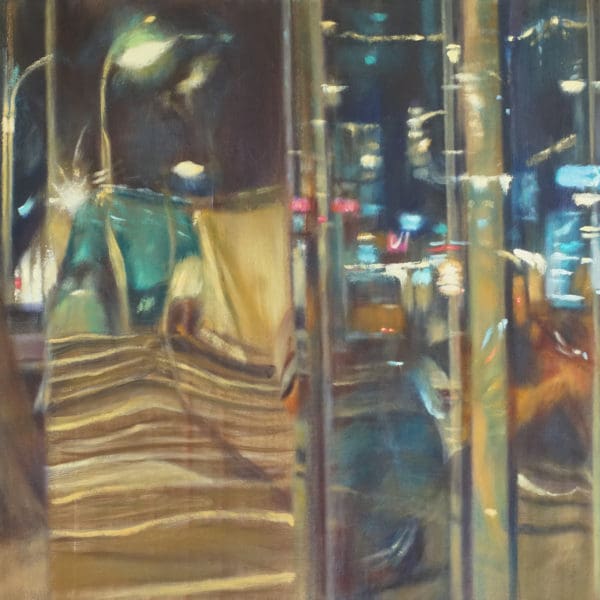
JÜRGEN DURNER – Karambolage, 2022

JÜRGEN DURNER – Kristallglas, 2022
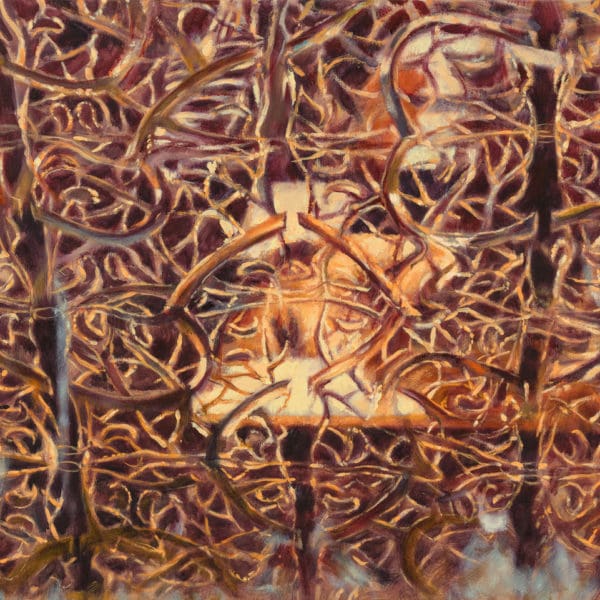
JÜRGEN DURNER – Liebesversteck, 2022

JÜRGEN DURNER – Love Sex Dreams

JÜRGEN DURNER – Membran, 2021
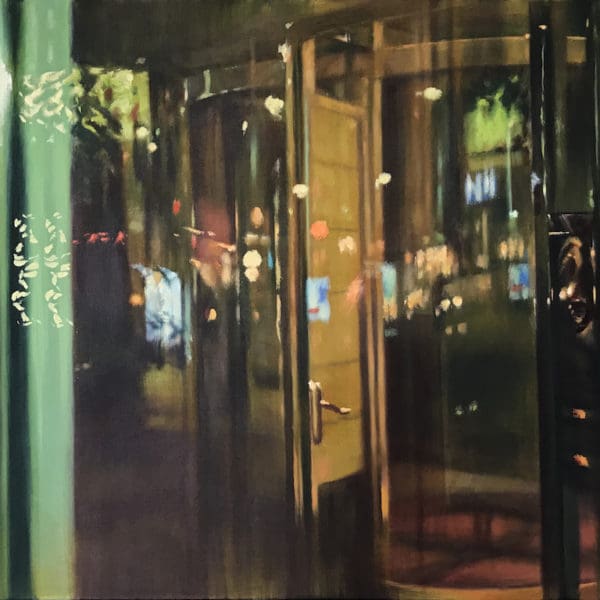
JÜRGEN DURNER – Nirwana II, 2022

JÜRGEN DURNER – Pforte, 2019
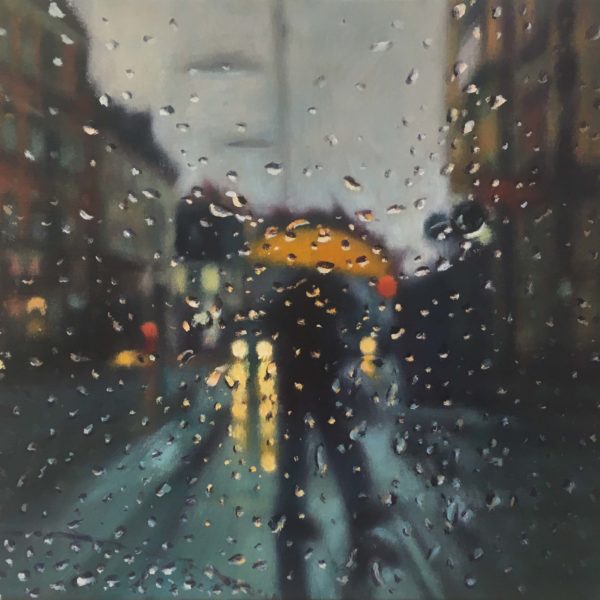
JÜRGEN DURNER – Rainman
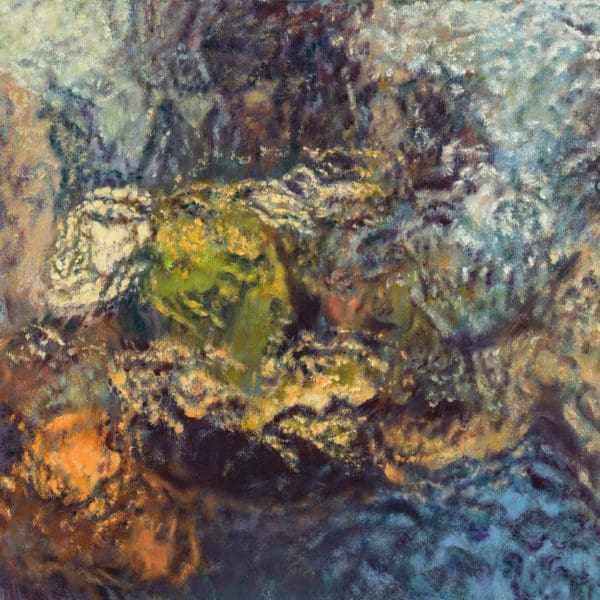
JÜRGEN DURNER – Rauschgold, 2022
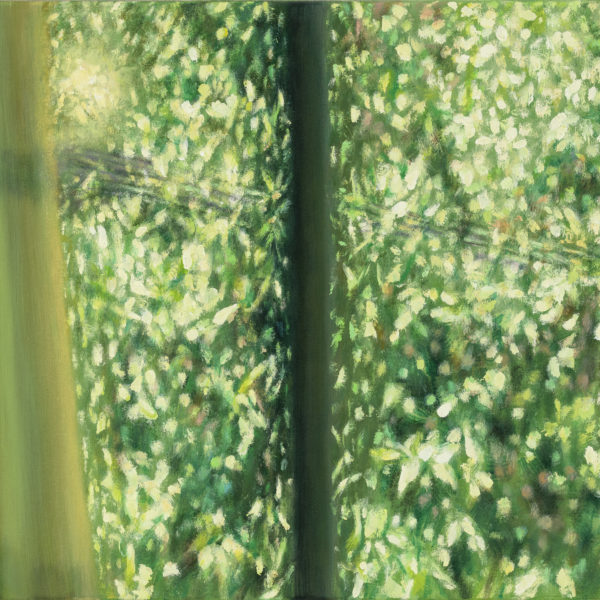
JÜRGEN DURNER – Schwinden der Sinne II, 2022

JÜRGEN DURNER – Silberglas, 2022
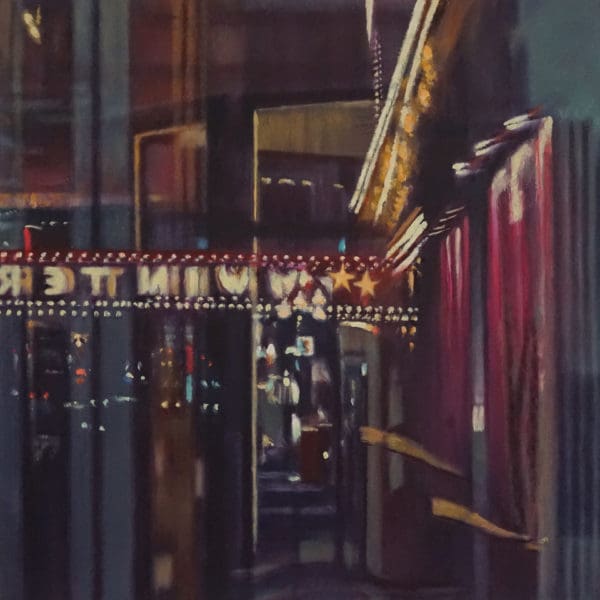
JÜRGEN DURNER – Verdichtung, 2022

JÜRGEN DURNER – Verschiebung, 2022

JÜRGEN DURNER – Vorhang, 2021

JÜRGEN DURNER – Weltraumbahnhof, 2022

JÜRGEN DURNER – Wüstenblume, 2022
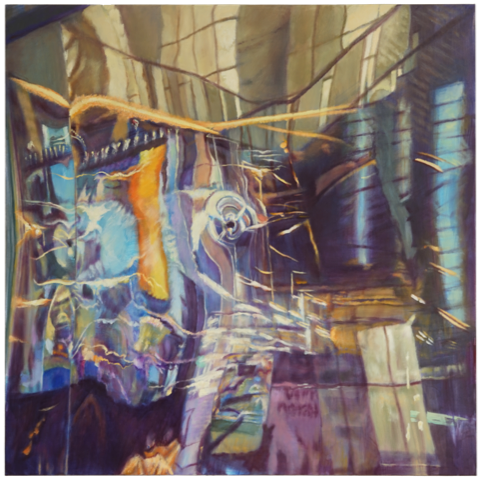
JÜRGEN DURNER – Zerbrechendes Weltdbild, 2021
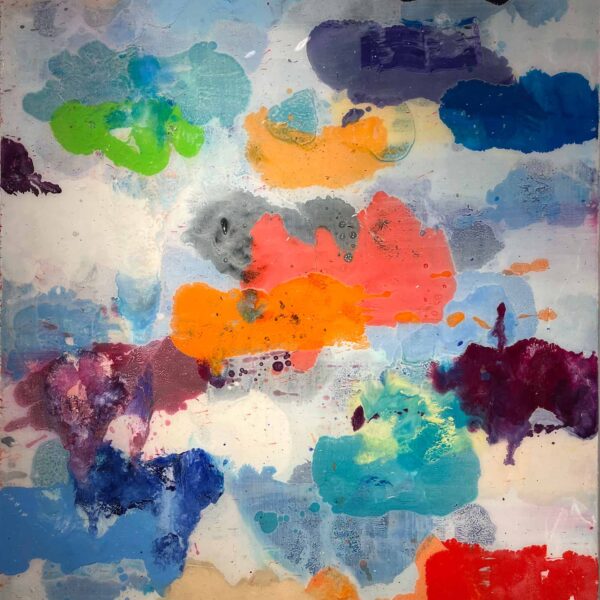


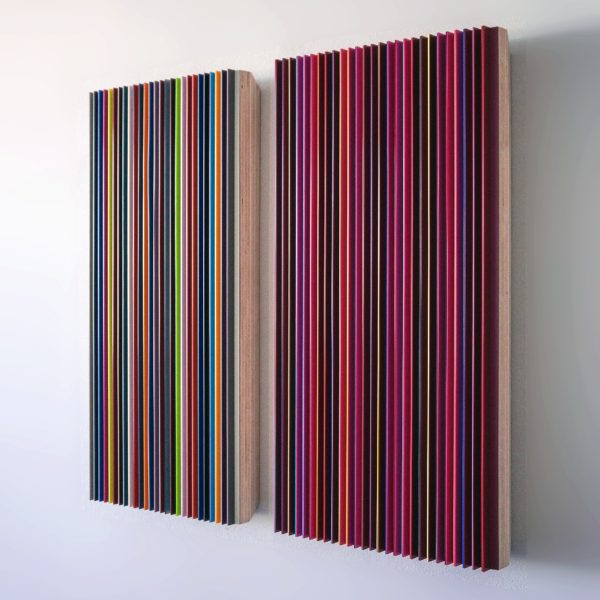
JÜRGEN PAAS – Juke box, 2020

JÜRGEN PAAS – Jukebox – 162
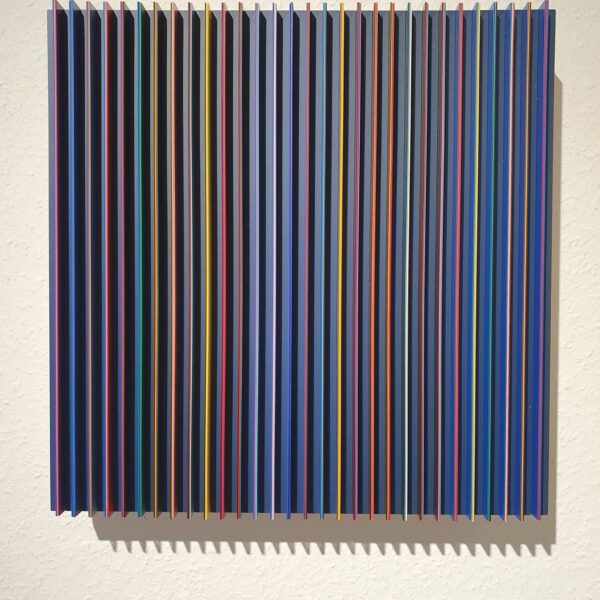
JÜRGEN PAAS – Jukebox – 240
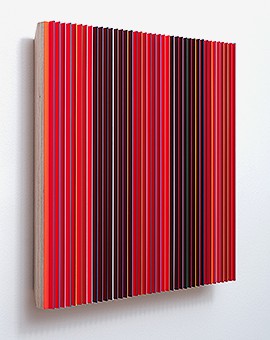
JÜRGEN PAAS – Jukebox – 287 – pink
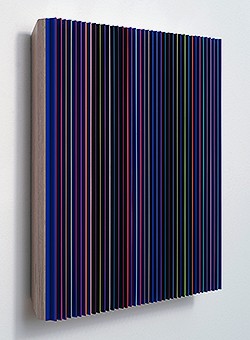
JÜRGEN PAAS – Jukebox – 290 – blau

JÜRGEN PAAS – Jukebox – 331
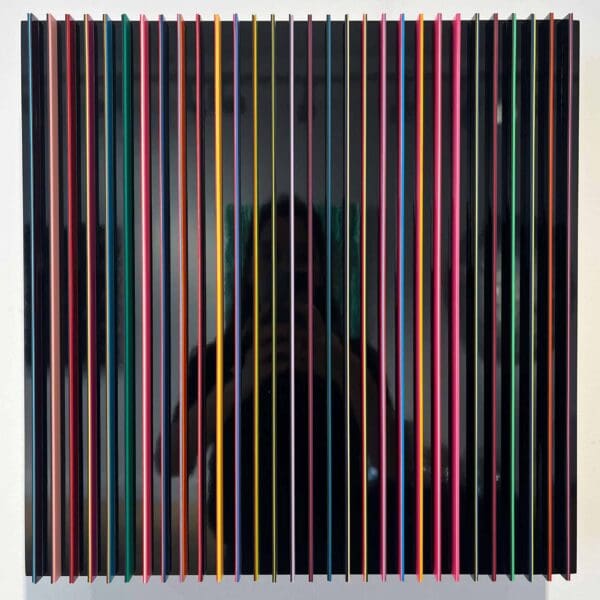

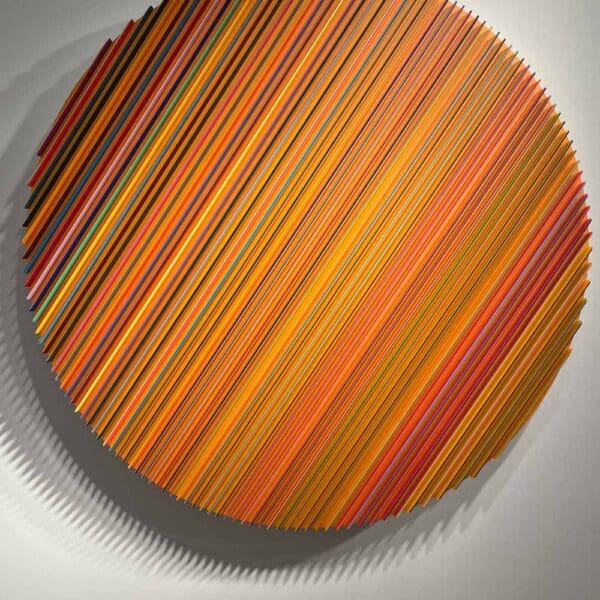
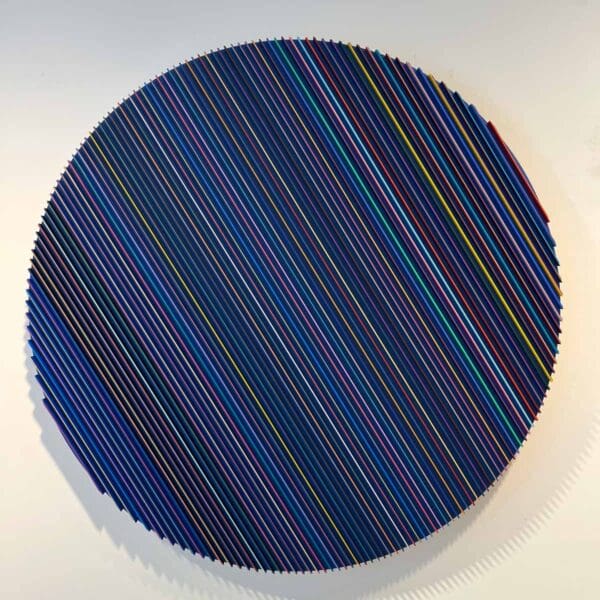

JÜRGEN PAAS – Jukebox, 2019
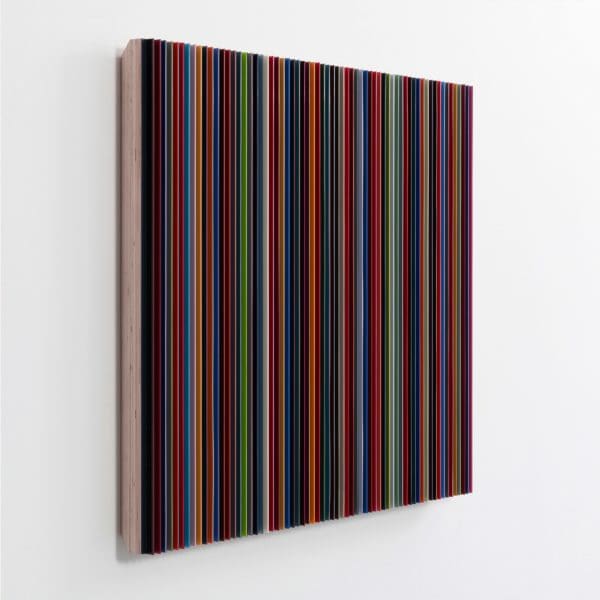
JÜRGEN PAAS – Jukebox, 2019
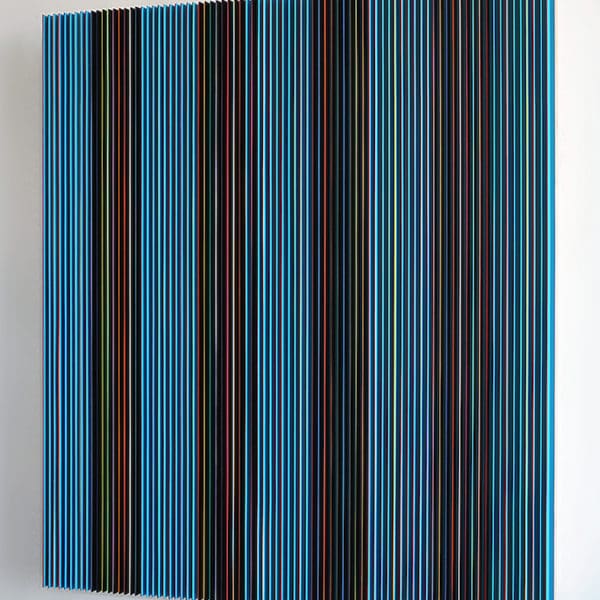
JÜRGEN PAAS – Jukebox, 2020
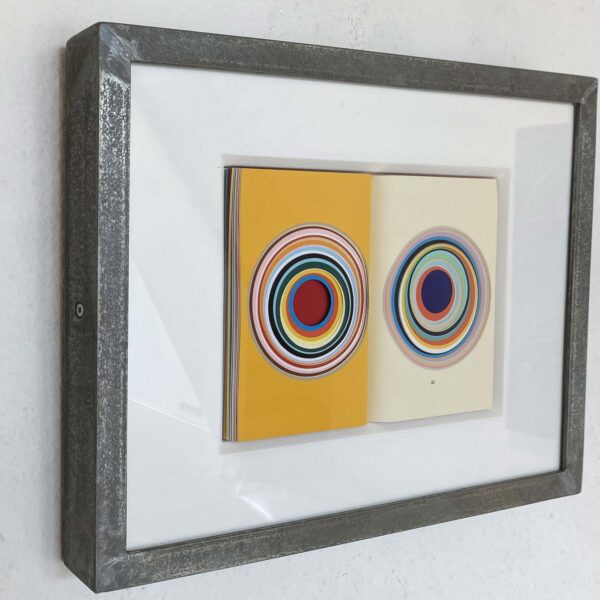

JÜRGEN PAAS – Popplanet – 151 – rot
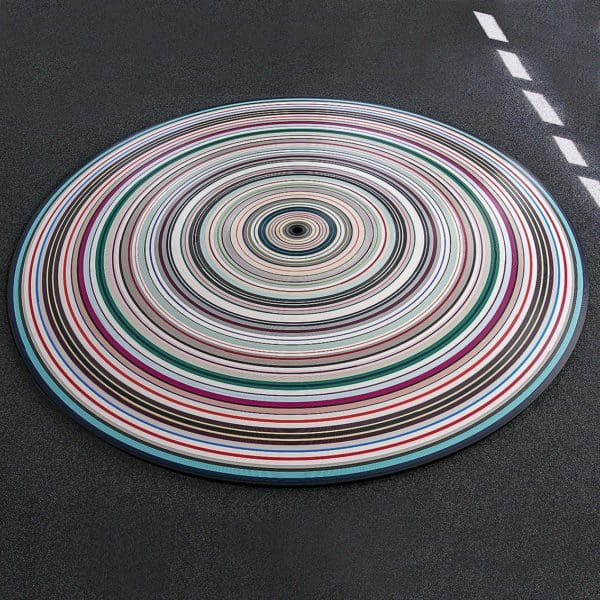
JÜRGEN PAAS – Target/Ground, 2019

JÜRGEN PASS – Jukebox, 2020

Jürgen Tenz, Radierung “Nr.8” (2017)
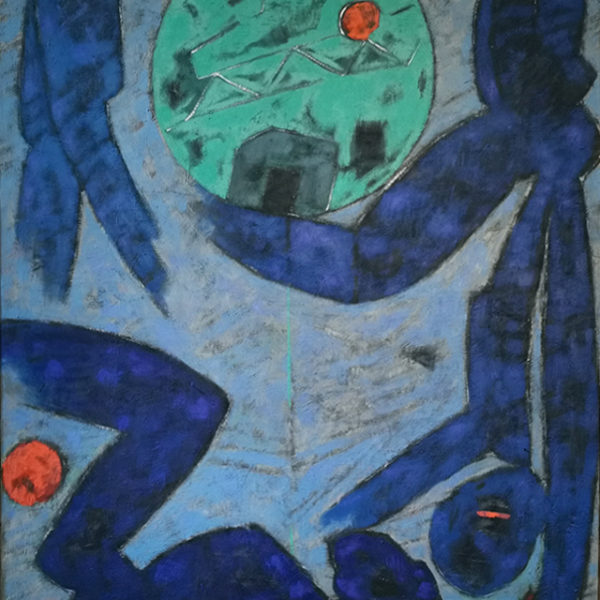

Jürgen Tenz: “M1”, 2001
63 x 48cm (printing plate), 80 x 66cm (framed)
Galerie feinart berlin

Jürgen Tenz: “Vermessung” (2006)

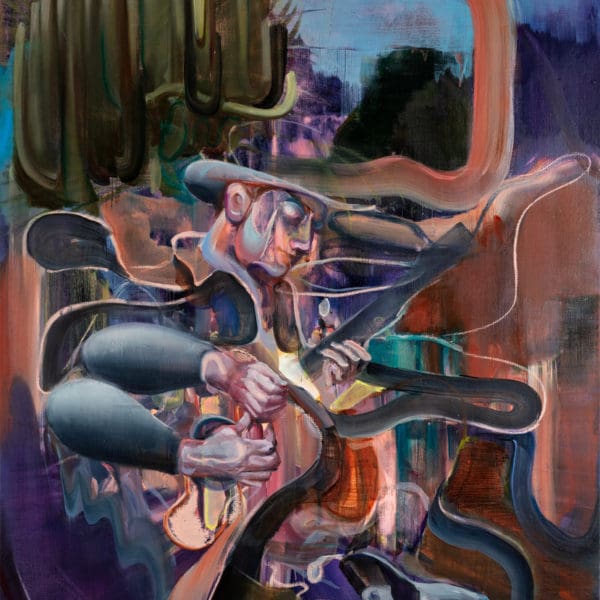
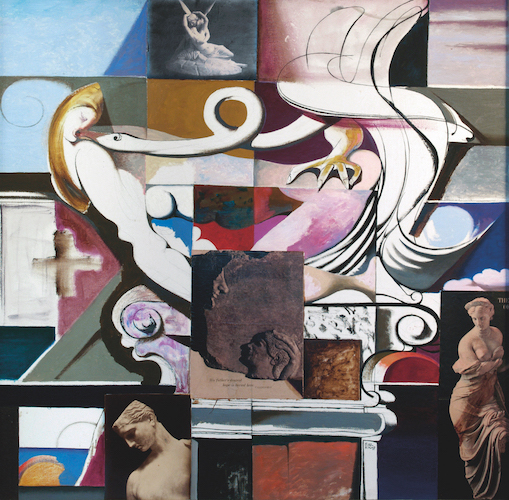
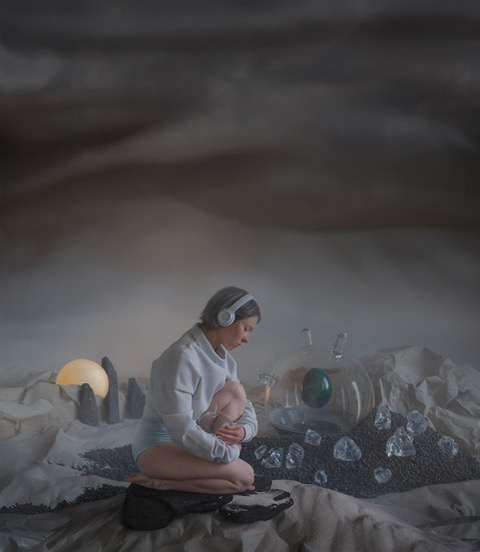

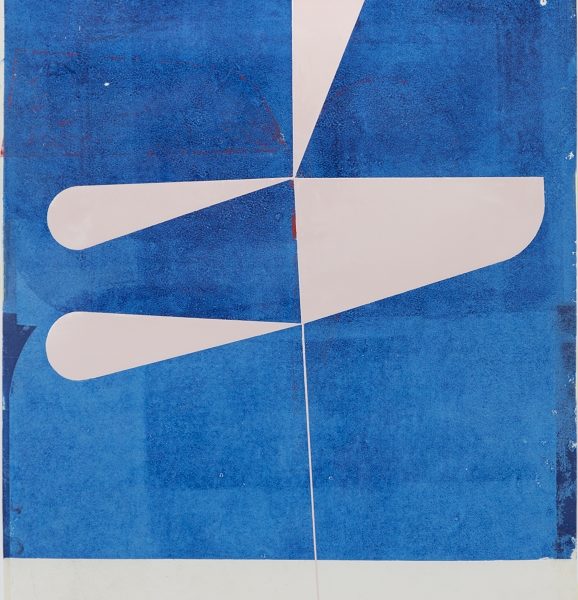

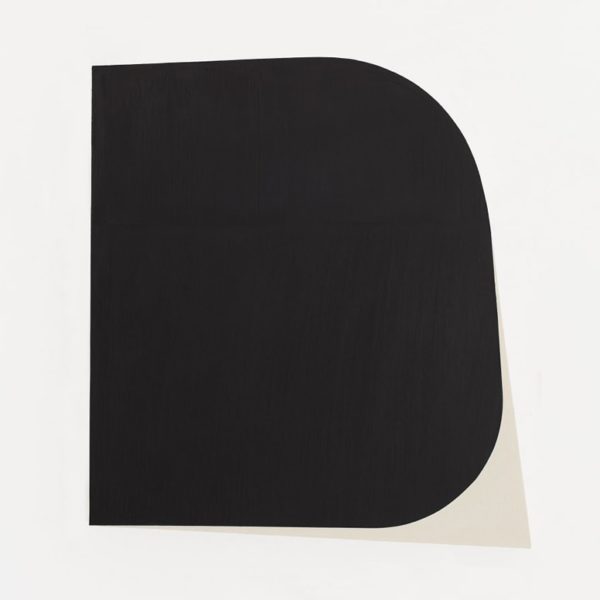

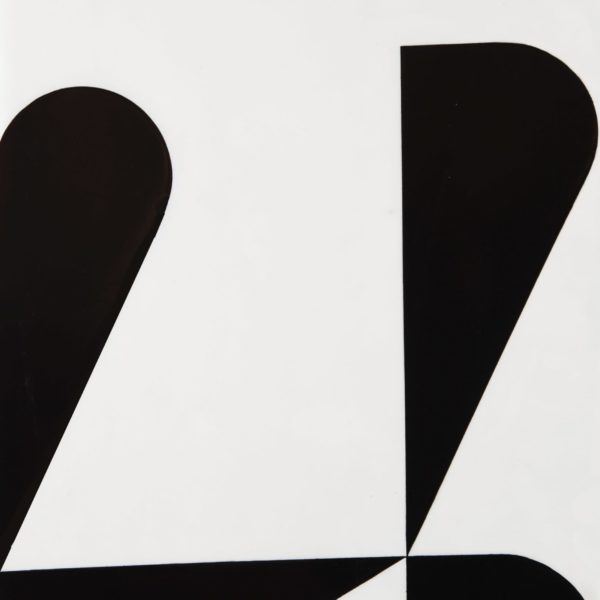

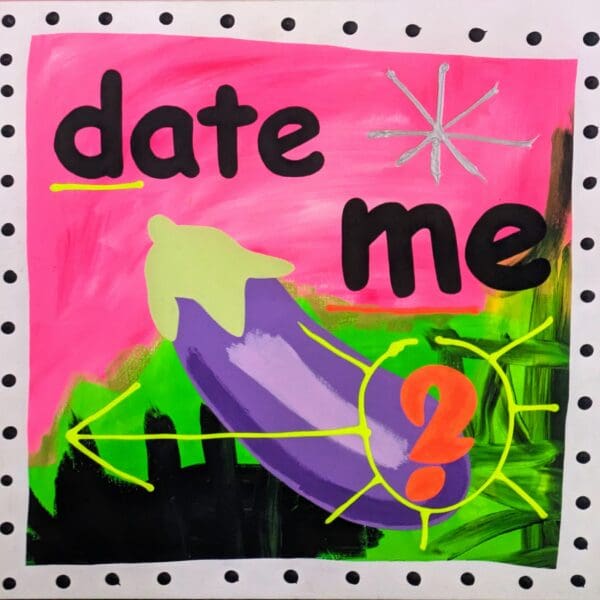
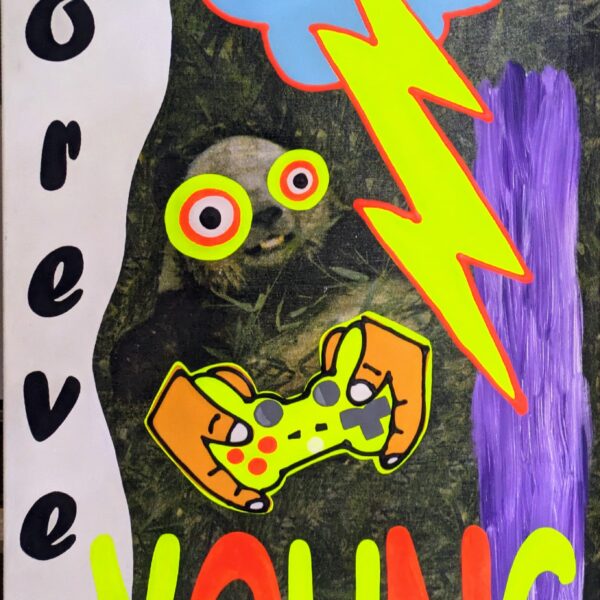

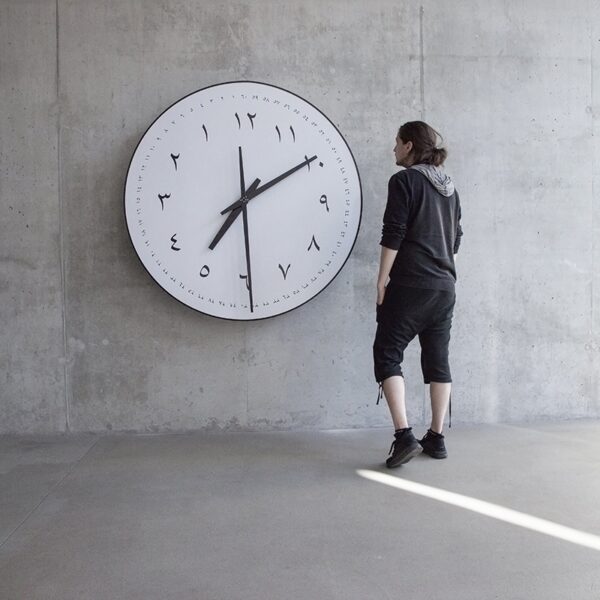

Konstantin Bayer | Fahnenserie Kritik am Leistungsprinzip | EIGENHEIM Weimar/Berlin
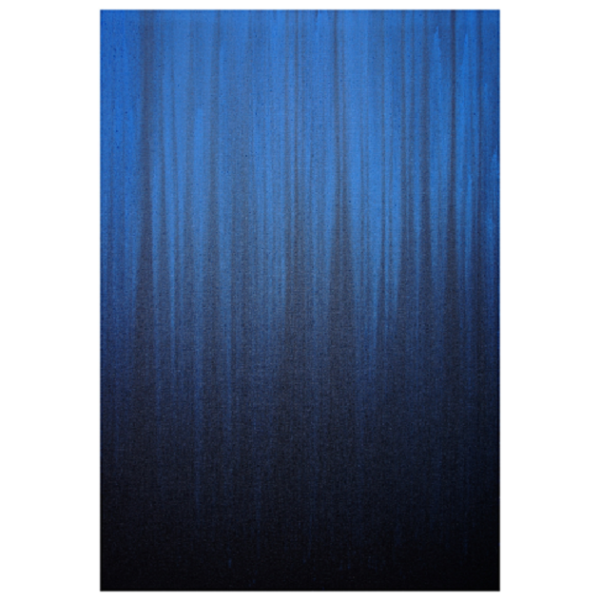

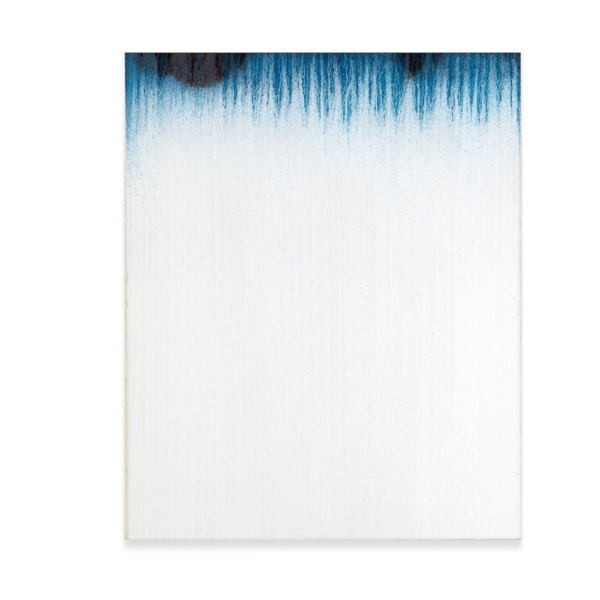

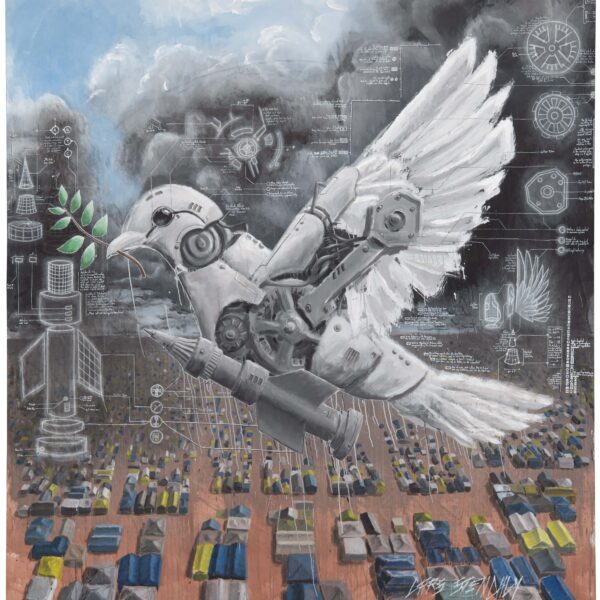
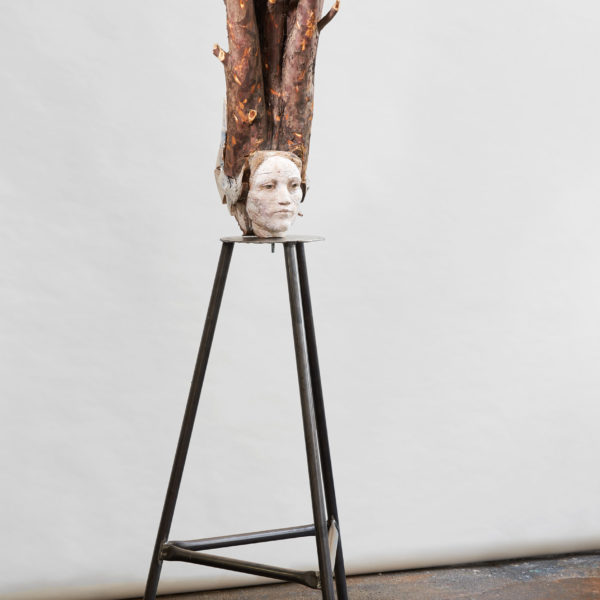
LAURA ECKERT – Medusa 2

LAURA ECKERT – Miniatur 9
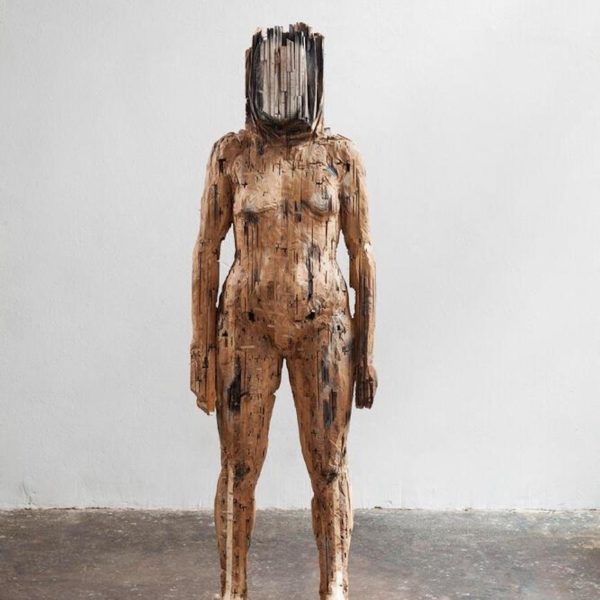
Laura Eckert, Her
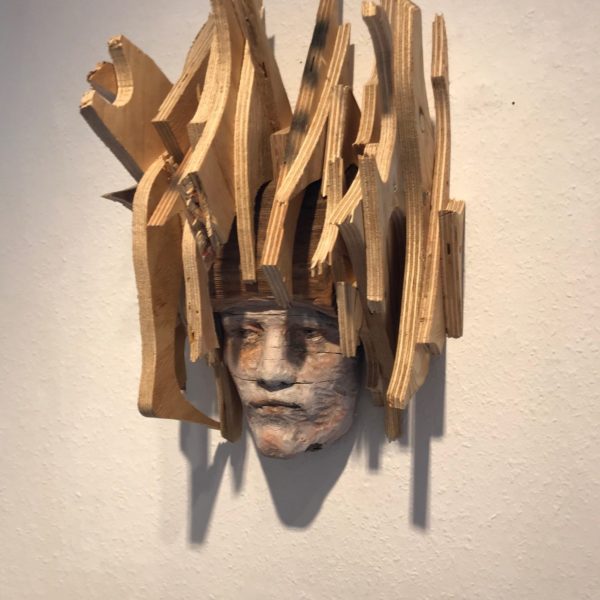
Laura Eckert, Medusenhaupt, 2021